
TPO Basics
What Is TPO Roofing? A Plain-English Guide for Property Owners
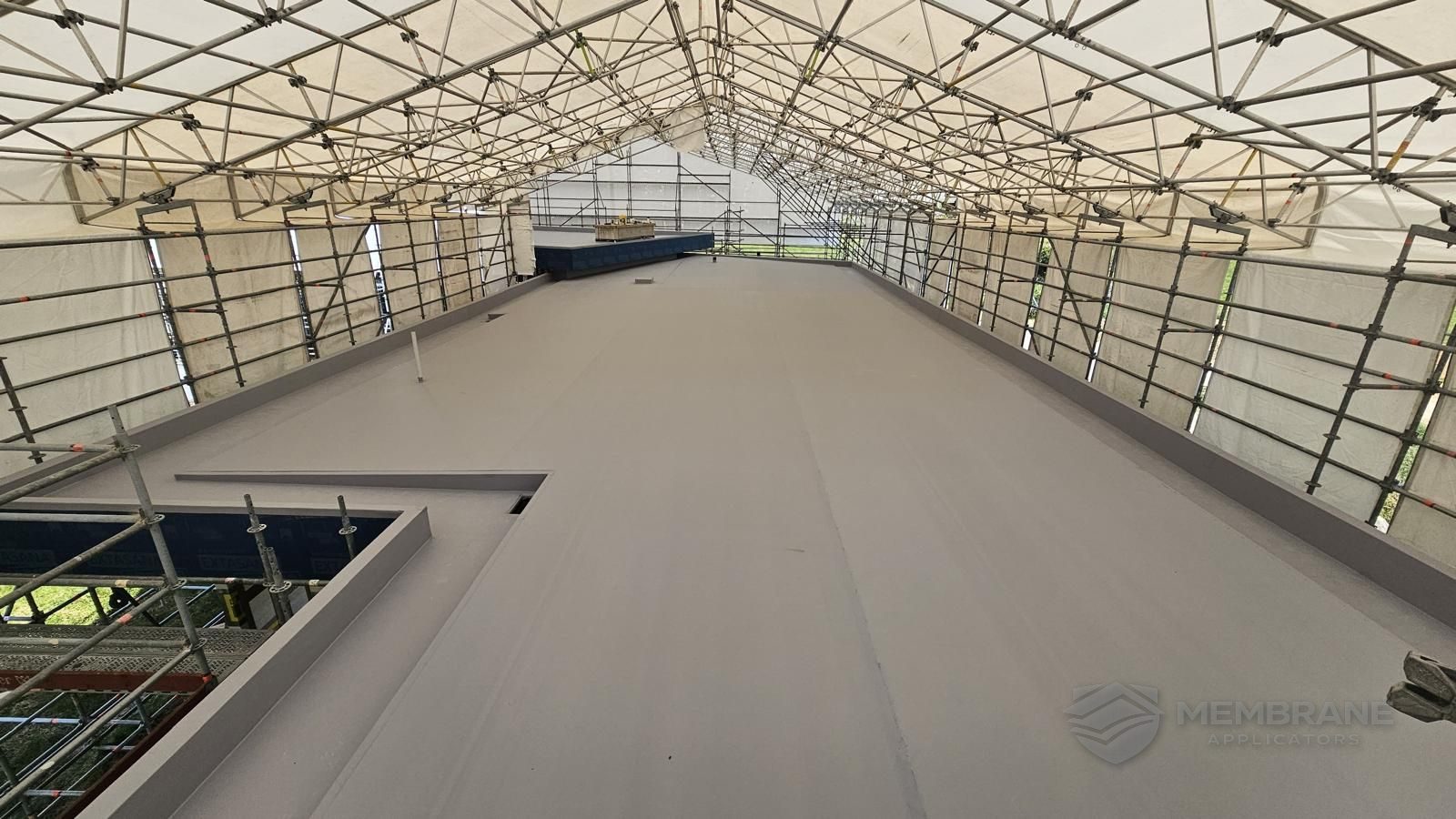
TPO is one of the most common membranes used on flat and low-slope roofs today. Here is what it actually is, how it goes on, and why so many commercial buildings and modern homes use it.
TPO in one sentence
TPO stands for thermoplastic polyolefin. It is a single-ply roofing membrane — a flexible sheet that is rolled out across a flat or low-slope roof and joined together to form one continuous, waterproof surface.
The key word is single-ply. Instead of building a roof up from several layers of bitumen and torch-on felt, a TPO roof is one engineered membrane that does the waterproofing on its own.
How a TPO roof goes on
The membrane arrives in large rolls. On site, the process looks roughly like this:
- The existing roof is stripped back or prepared so the surface underneath is sound and clean.
- The TPO sheets are laid out across the roof and fixed down.
- Where two sheets meet, the overlap is hot-air welded — heat fuses the sheets into a single piece with no glue and no tape.
- Every edge, upstand, gutter and penetration is detailed and welded so water cannot get behind the membrane.
That welded seam is the heart of the system. A properly welded TPO seam is effectively as strong as the sheet itself, which is why welding — rather than gluing — is what separates a lasting membrane roof from a leaking one.
Why people choose TPO
- It is one continuous waterproof skin. No hundreds of small joints to fail — just welded seams.
- The white surface reflects heat. A light-coloured roof reflects sunlight rather than soaking it up, which helps keep the building below cooler.
- It handles movement. The membrane stays flexible, so it copes with a building expanding and contracting through hot days and cold nights.
- It suits flat and low-slope roofs, which traditional pitched-roof materials simply do not.
Where TPO is used
You will find TPO on commercial buildings, warehouses, apartment and townhouse developments, and increasingly on modern homes with flat or low-slope sections. Anywhere water needs to be kept out of a roof that does not have much fall, a welded membrane is usually the right answer.
The part that matters most
TPO is a good material, but a membrane roof is only ever as good as the installation. The welds, the upstands, the gutters and the detailing around every pipe and penetration are what decide whether the roof lasts for decades or leaks within a few years.
That is the part we focus on. If you are weighing up a TPO roof for a commercial building or a home in Auckland, get in touch and we will give you honest advice on whether it is the right fit — and what doing it properly involves.
Keep Reading
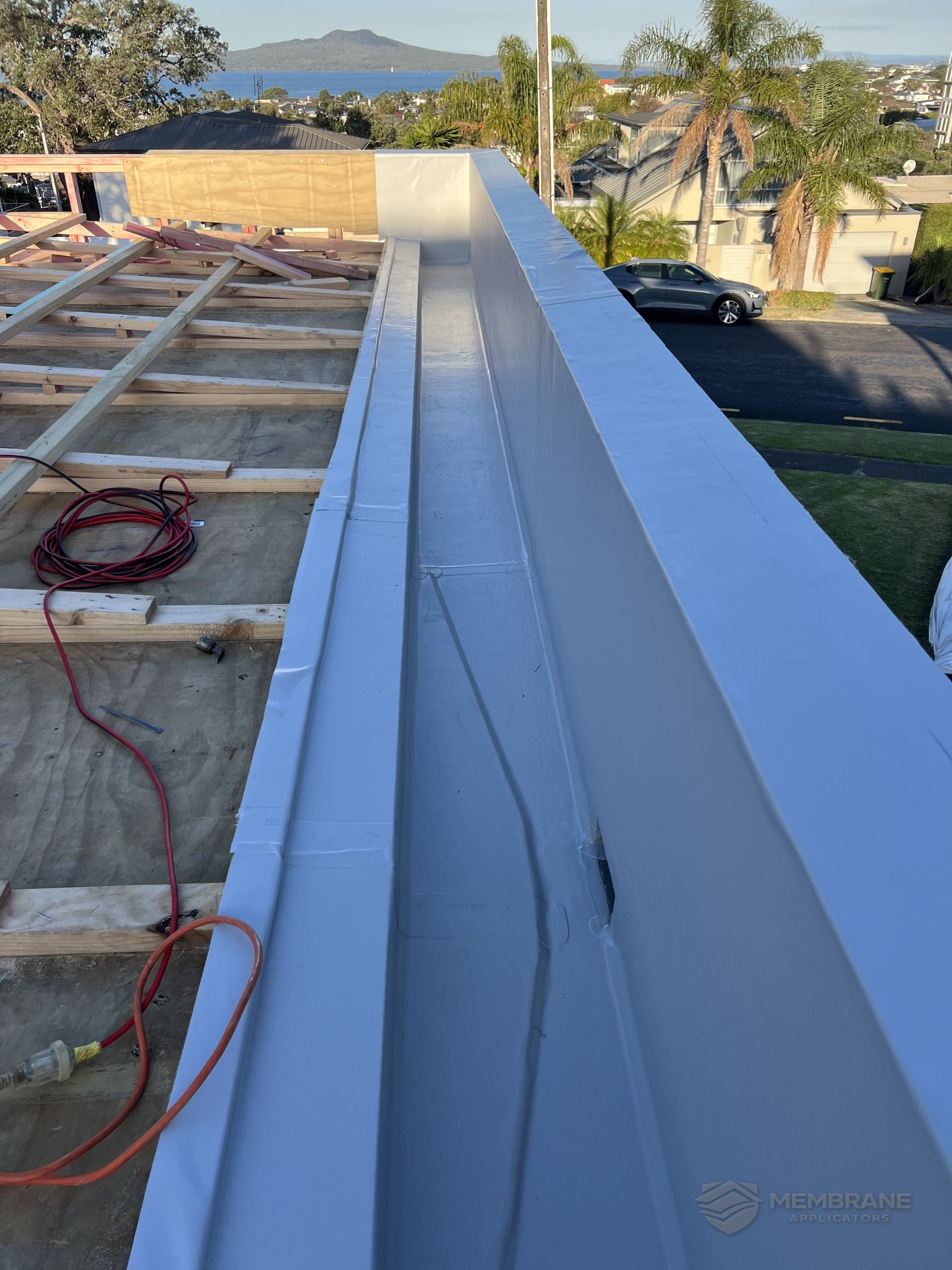
TPO Roofing in Auckland: Best Solutions for the Local Climate
Discover why TPO membrane is the ideal choice for Auckland's unique weather, offering superior UV resistance and durability for flat and low-pitch roofs.
Read more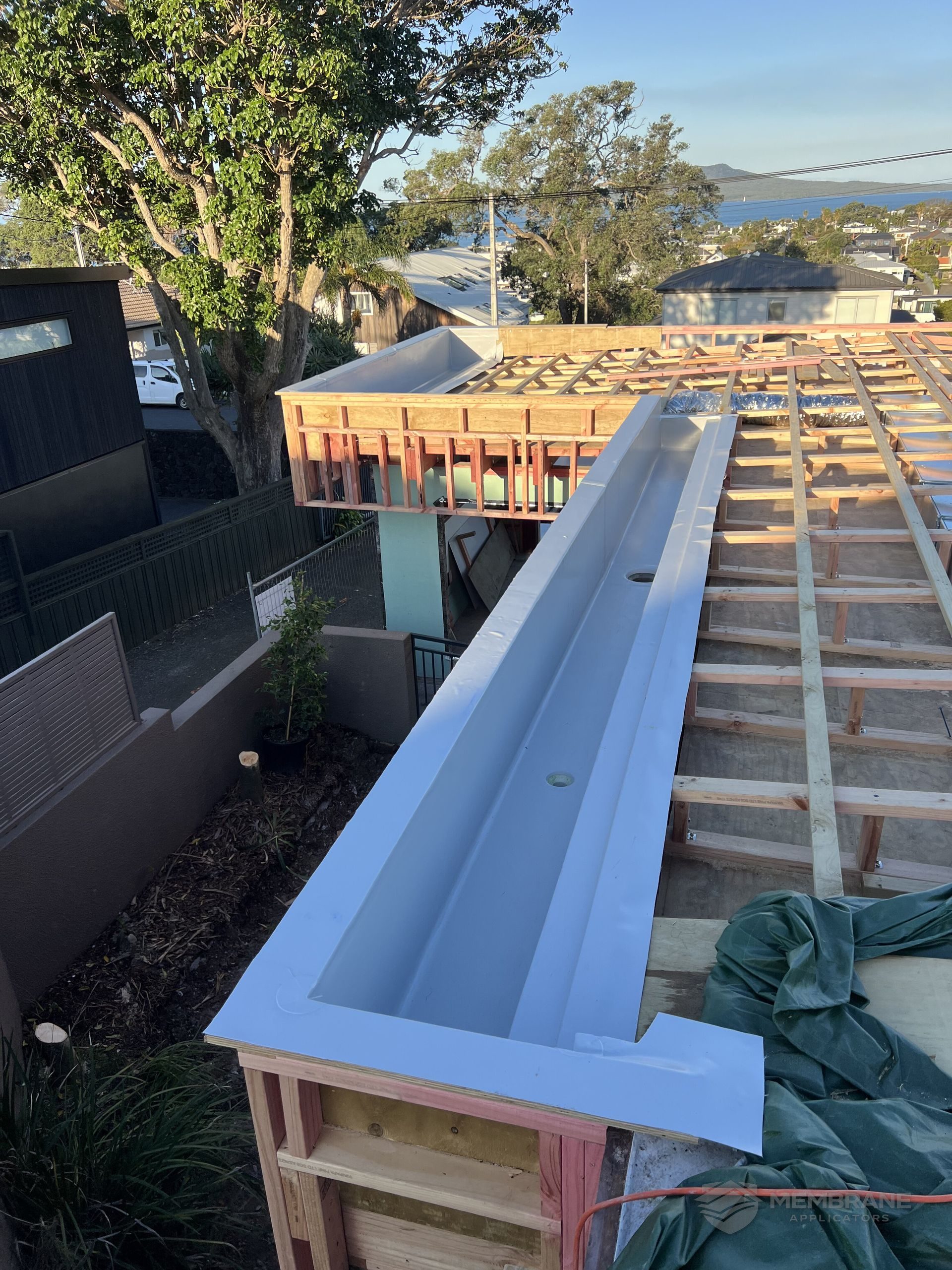
Commercial TPO Roofing: Durable Solutions for Auckland Businesses
TPO membrane roofing offers Auckland commercial property owners a durable, energy-efficient solution for flat roofs, providing exceptional weather resistance and long-term waterproofing performance.
Read more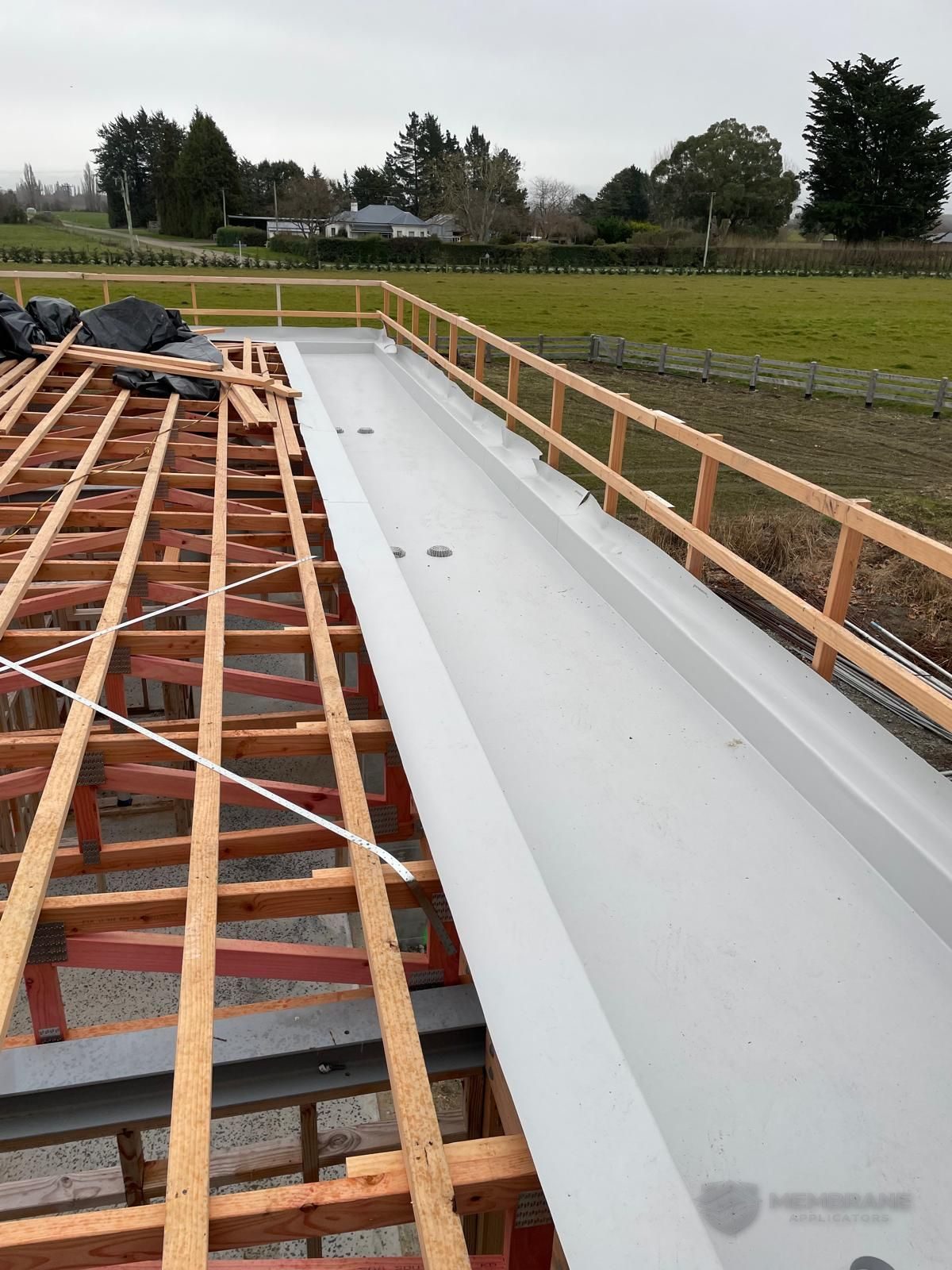
TPO Membrane Repairs: How to Fix Flat Roof Leaks in Auckland
Is your TPO roof showing signs of wear or leaking? Learn the essential steps for TPO membrane repairs and how to maintain your Auckland property's flat roof.
Read more