Commercial and Industrial
Commercial TPO Roofing
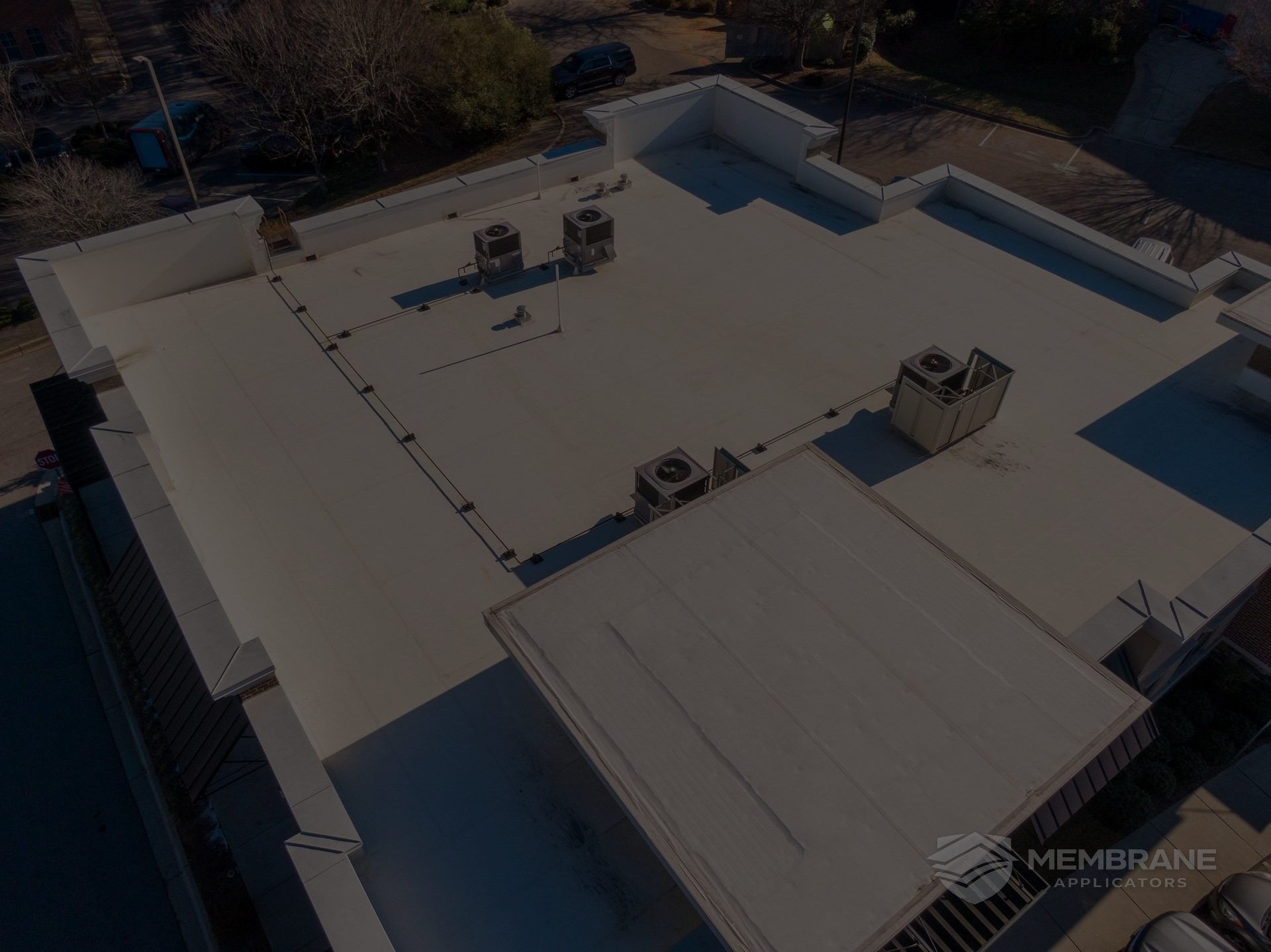
Membrane roofing for warehouses, industrial units, retail premises and offices — planned and staged so your building keeps operating while the roof gets sorted.
Roofing That Fits Around a Working Building
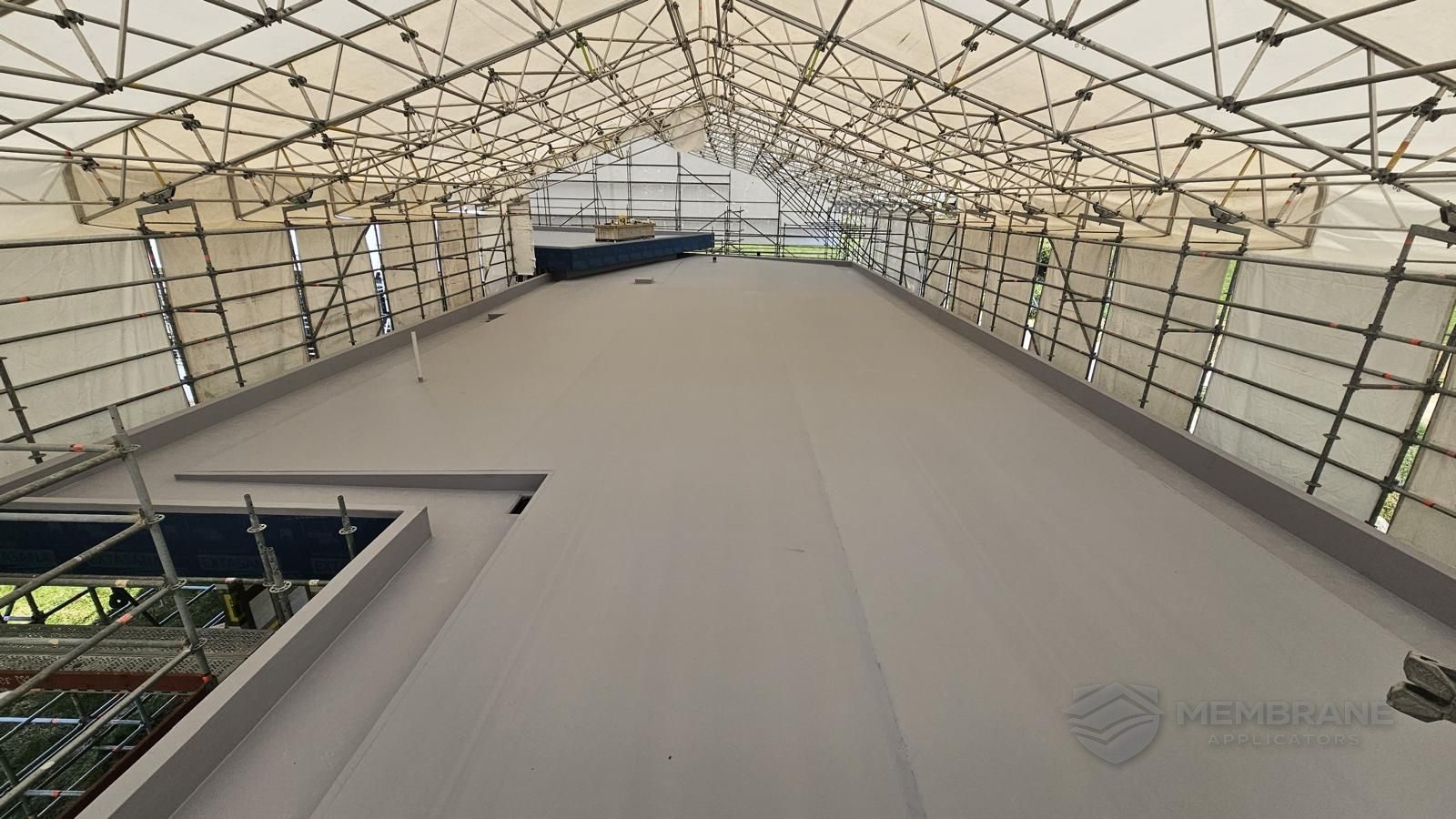
On a commercial roof, the membrane is only part of the job. The rest is logistics: how material gets up there, how much roof can safely be opened at once, when the noisy work can happen, and how the building stays dry and trading throughout.
TPO suits these buildings well. It comes in wide rolls, so a large open area is covered with relatively few seams. It is light, so it adds little to the structural load. And because the laps are welded with hot air rather than an open flame, it can be installed above occupied space and stored goods.
We work on new installations and full replacements, and handle remedial repairs where a roof needs to last a few more years before it is renewed.
Buildings We Work On
Warehouses and distribution
Large single-plane roofs where wide membrane rolls cover ground quickly and the low weight suits long structural spans.
Light industrial units
Multi-tenanted units where work has to be sequenced so each tenancy stays watertight and trading throughout.
Retail premises
Roofs above stock and fit-out, where a single unnoticed leak is expensive well beyond the cost of the roof repair.
Offices and mixed use
Occupied buildings where noise, access, parking and after-hours work all have to be agreed before anything starts.
Apartment and body corporate roofs
Shared flat roof areas, podium decks and parapet gutters, where the scope and reporting need to be clear for the committee.
Plant and services decks
Roof areas carrying air conditioning units, ducting and cable trays — all of which are penetrations that need detailing properly.
How a Commercial Project Runs
The technical steps are the same as any TPO roof. What changes on a commercial building is the planning around them.
- 1
Roof inspection
A full survey of the roof area, existing build-up, drainage, plant penetrations and access constraints.
- 2
Assessment and preparation
Written scope, staging plan, health and safety documentation and a programme agreed with your facilities or property manager.
- 3
Substrate preparation
Section by section: surface cleaned and made sound, wet or damaged material removed, falls to outlets addressed.
- 4
Membrane installation
TPO laid in wide rolls across the open areas, set out so laps run with the fall and around existing plant.
- 5
Hot-air welding
All laps welded with hot air — no open flame, which matters on occupied and stock-filled buildings — and welds checked.
- 6
Flashings and detailing
Plant bases, ducts, pipe penetrations, upstands, parapets and outlets flashed and sealed.
- 7
Final inspection and handover
Completed roof walked, outlets cleared, site left clean and the finished work handed over with the scope confirmed.
What Commercial Clients Get From Us
- A written scope, so you can compare like with like
- A staging plan that keeps the building watertight and operating
- Hot-air welding with no open flame above occupied space
- Proper detailing around rooftop plant and services
- Outlets and gutters cleared as part of the work
- One point of contact from inspection through to handover
Most of our commercial work is around Auckland, and we travel elsewhere in New Zealand for larger projects. You can see examples of completed work on our projects page.
Commercial Roofing FAQs
Yes. TPO is installed with hot air rather than an open flame, and large roofs are staged in sections so only part of the roof is open at any time. We agree access, hours and safety arrangements with you before the programme starts.
Wide rolls mean fewer seams across a large open area, the membrane is light so it adds little load to the structure, the light-coloured surface reflects a good deal of the sunlight that lands on it, and repairs can be made in sections without touching the rest of the roof.
Yes. Air conditioning units, ducting, cable trays and pipework are normal on commercial roofs. Each one is a penetration that has to be detailed properly — that detailing is usually where a commercial roof succeeds or fails.
Yes. Large single-plane roofs are one of the situations TPO suits best. Bigger jobs are planned in stages, with each stage made watertight before the next is opened up.
We inspect the roof, then set out the scope in writing — area, strip-out, substrate work, detailing, access and staging. That way you can see exactly what is included rather than a single lump figure.
Planning Work on a Commercial Roof?
Send us the site address and we will arrange an inspection and a written scope.
Request a Quote