
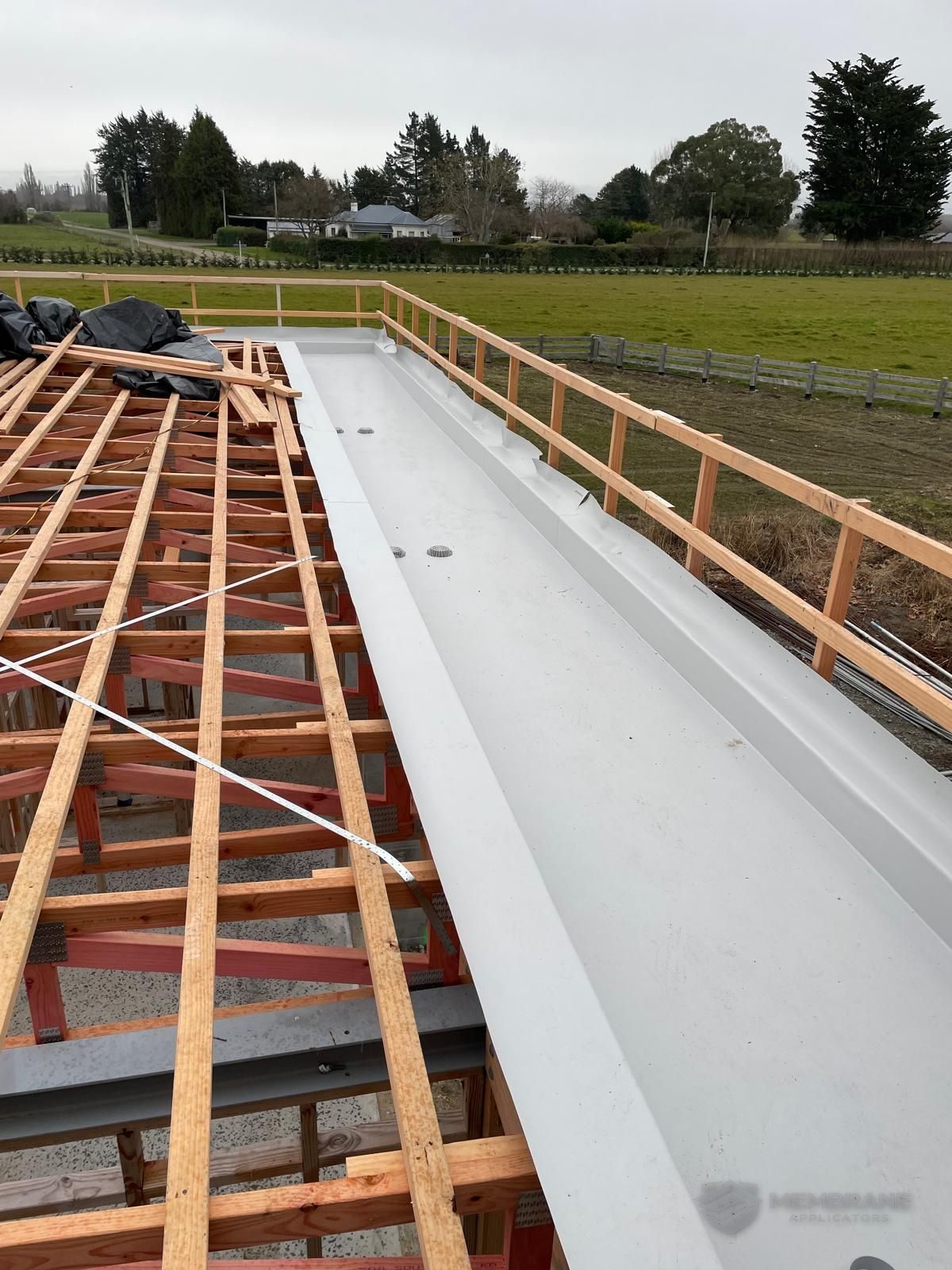
Our Core Specialty
TPO Roofing in Auckland
TPO membrane is the system we install most. This page explains what TPO roofing is, where it works well, how we install it, and how it compares with the other flat roof membranes used in New Zealand.
What Is TPO Roofing?
TPO stands for thermoplastic polyolefin. It is a single-ply membrane — one layer of material, supplied in wide rolls, rolled out across a prepared roof and joined by hot-air welding rather than adhesive or tape.
That welding is the important part. When two sheets are heated and pressed together they fuse, so the join is not a separate layer sitting on top of the membrane — it becomes the membrane. Once the whole roof is welded, upstands flashed and outlets detailed, water has no seam to work its way into.
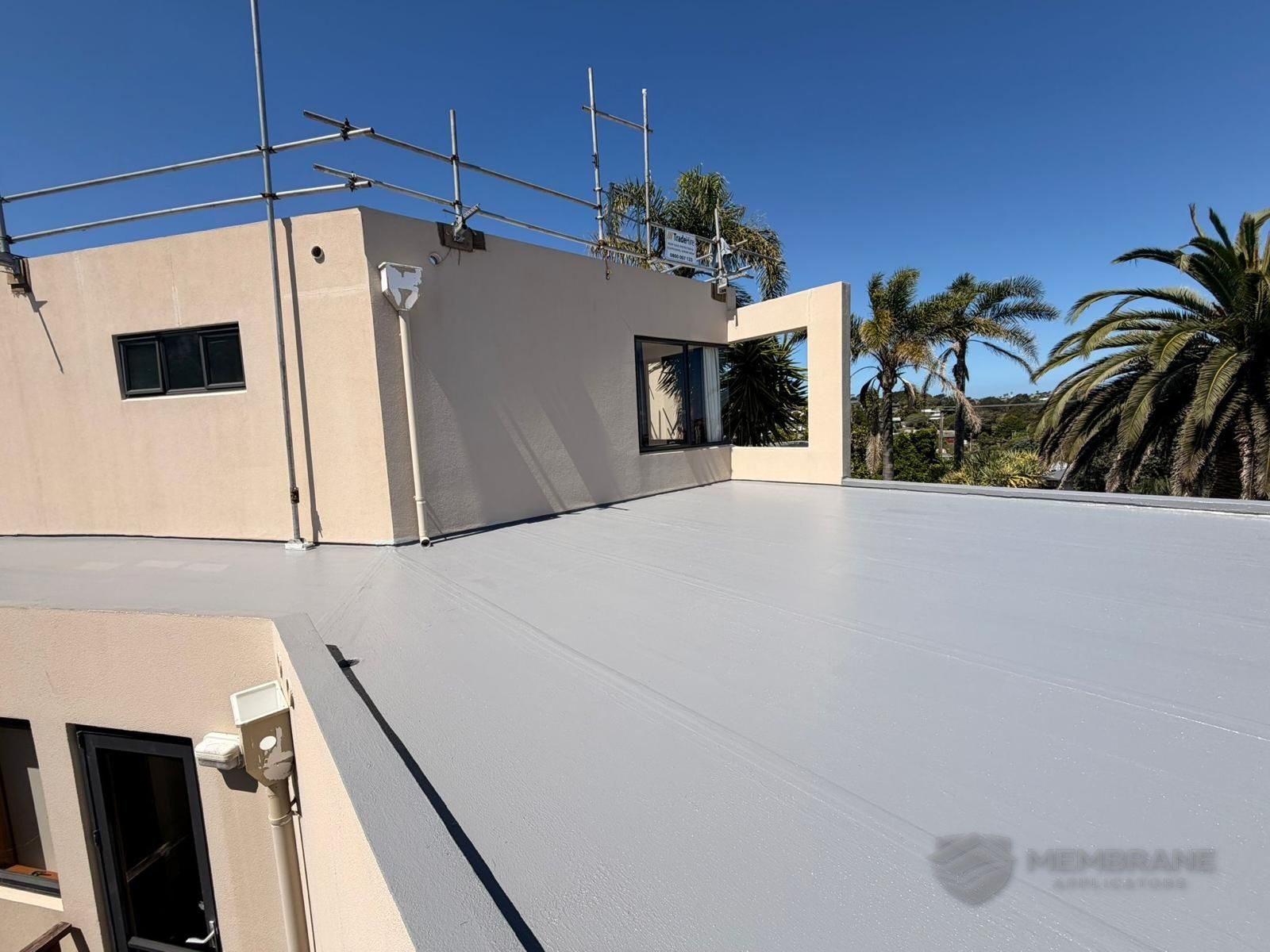
It is used on flat and low-slope roofs where a profiled or tiled roof simply would not shed water fast enough: house flat roofs and decks, box gutters and parapets, and large commercial and industrial roof areas.
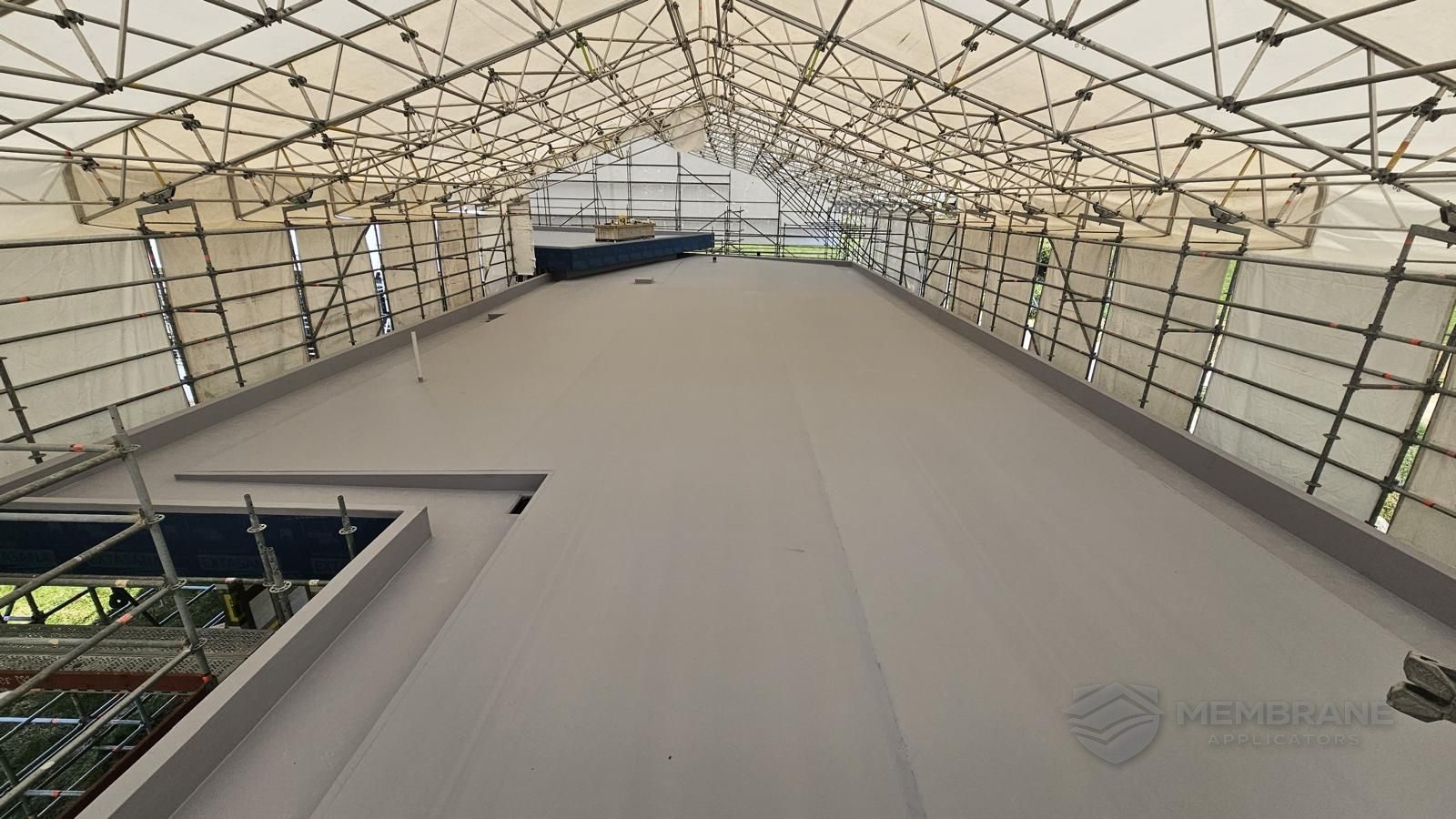
Why Choose TPO?
TPO has become one of the standard choices for flat roofing because it deals well with the two things that break flat roofs: joins, and movement. The seams are welded so they behave as one sheet, and the membrane stays flexible as the roof warms up and cools down through the day.
The light-coloured surface also means less heat is absorbed into the roof build-up than with a dark membrane, and the finished surface is easy to walk, inspect and maintain.
Benefits of a TPO membrane roof
Hot-air welded seams
Laps are welded rather than glued or taped, so the joins become part of the sheet instead of a separate layer that can peel.
Light-coloured surface
TPO is commonly supplied in white or light grey, which reflects a good deal of the sunlight that lands on the roof instead of absorbing it.
Flexible in the cold
The membrane stays flexible as temperatures move, which matters on a roof that expands and contracts every day.
Wide rolls, fewer seams
Large sheet widths mean fewer joins across an open roof area — and every join avoided is one less place to maintain.
Light on the structure
Single-ply membrane adds very little weight compared with heavier built-up or tiled systems.
Repairable
Damage can usually be patched by welding new membrane over the affected area rather than replacing the whole roof.
Chemical and weather resistant
TPO is designed for permanent exterior exposure, including UV, rain and wind-driven weather.
Clean finished look
A flat, uniform surface with tidy welded details suits modern architecture and visible roof areas.
TPO Applications
Where we install TPO membrane most often, and what each type of job involves.
Residential flat roofs
House flat roofs, garages, carports, additions and low-slope sections over living areas.
Commercial buildings
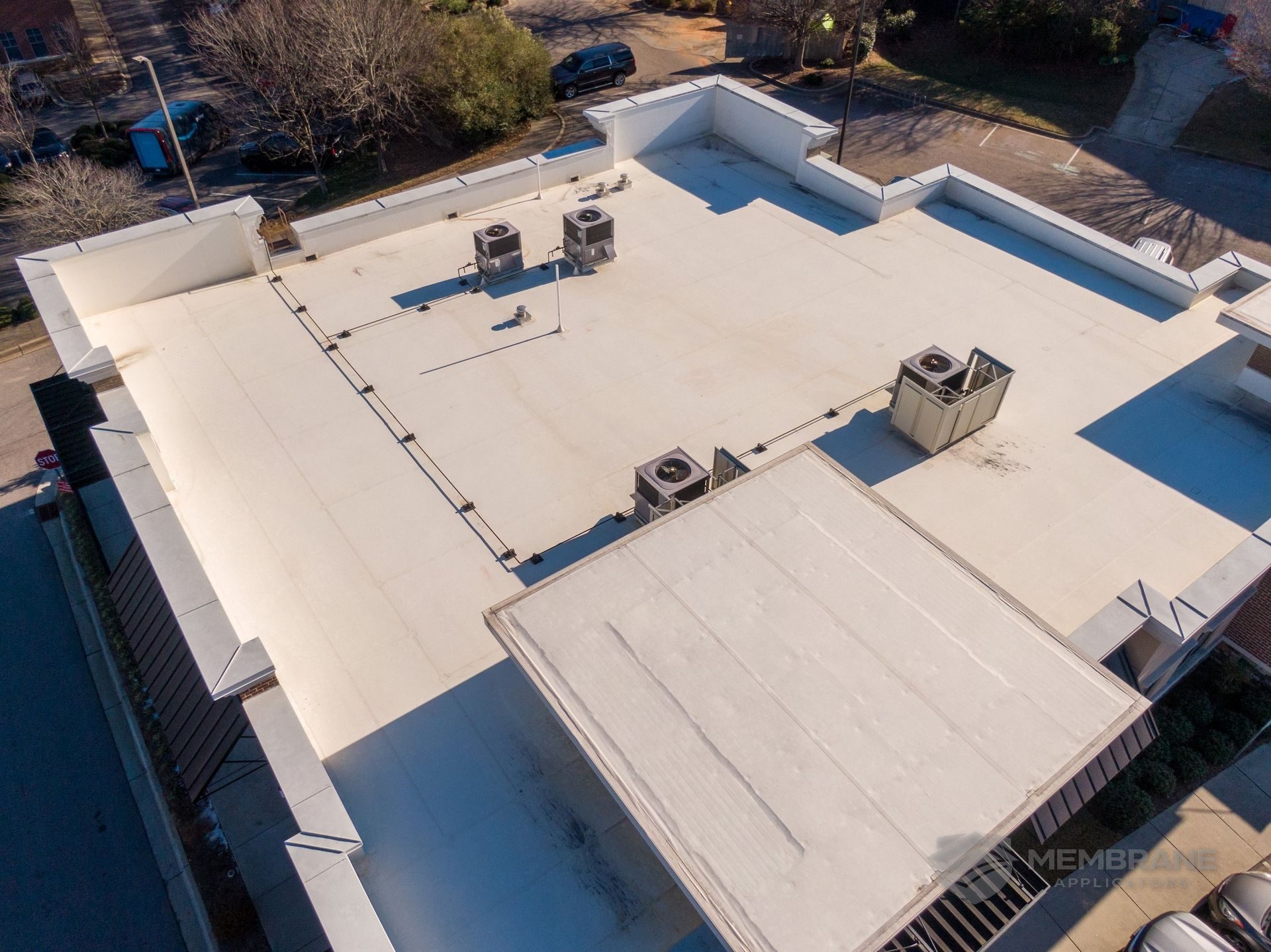
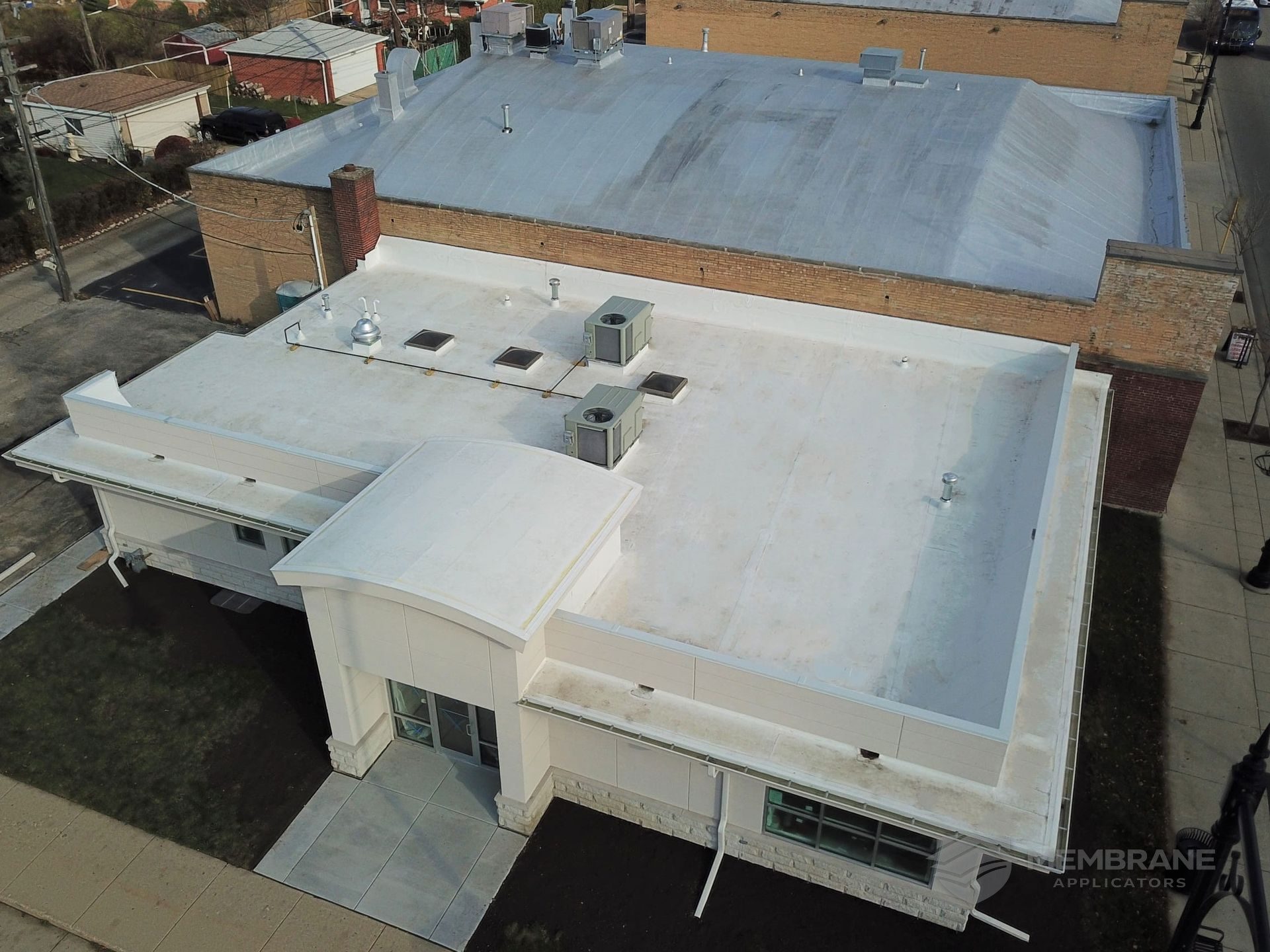
Warehouses, retail, offices and industrial roofs where large uninterrupted areas need covering.
Flat and low-slope roofs
Roofs with little or no fall, where a lapped or profiled roof would not keep water out.
Roof replacements
End-of-life roofs stripped back and re-covered with a new TPO membrane system.
Decks and balconies
Trafficable and non-trafficable deck areas, including the upstands and thresholds around them.
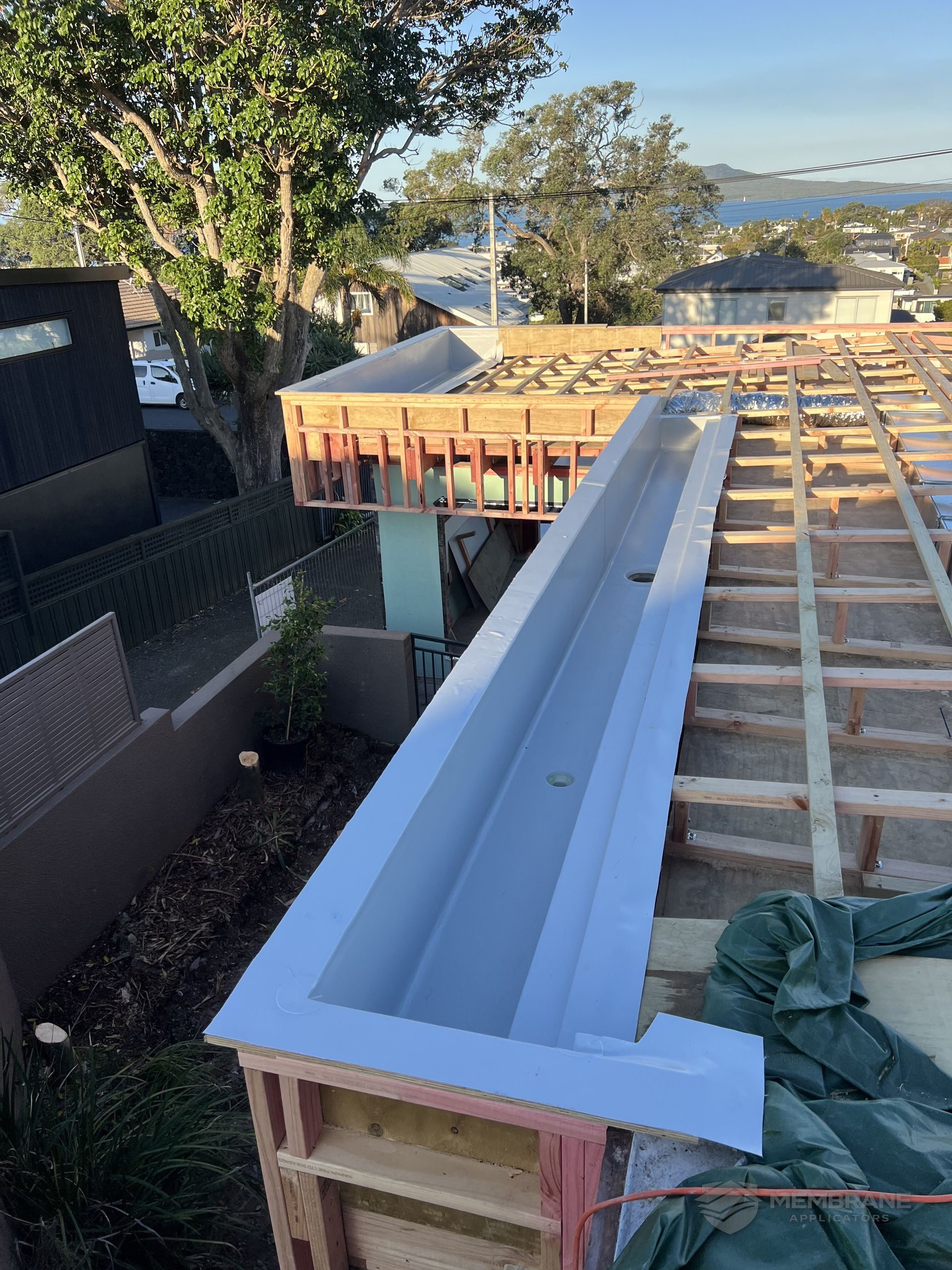
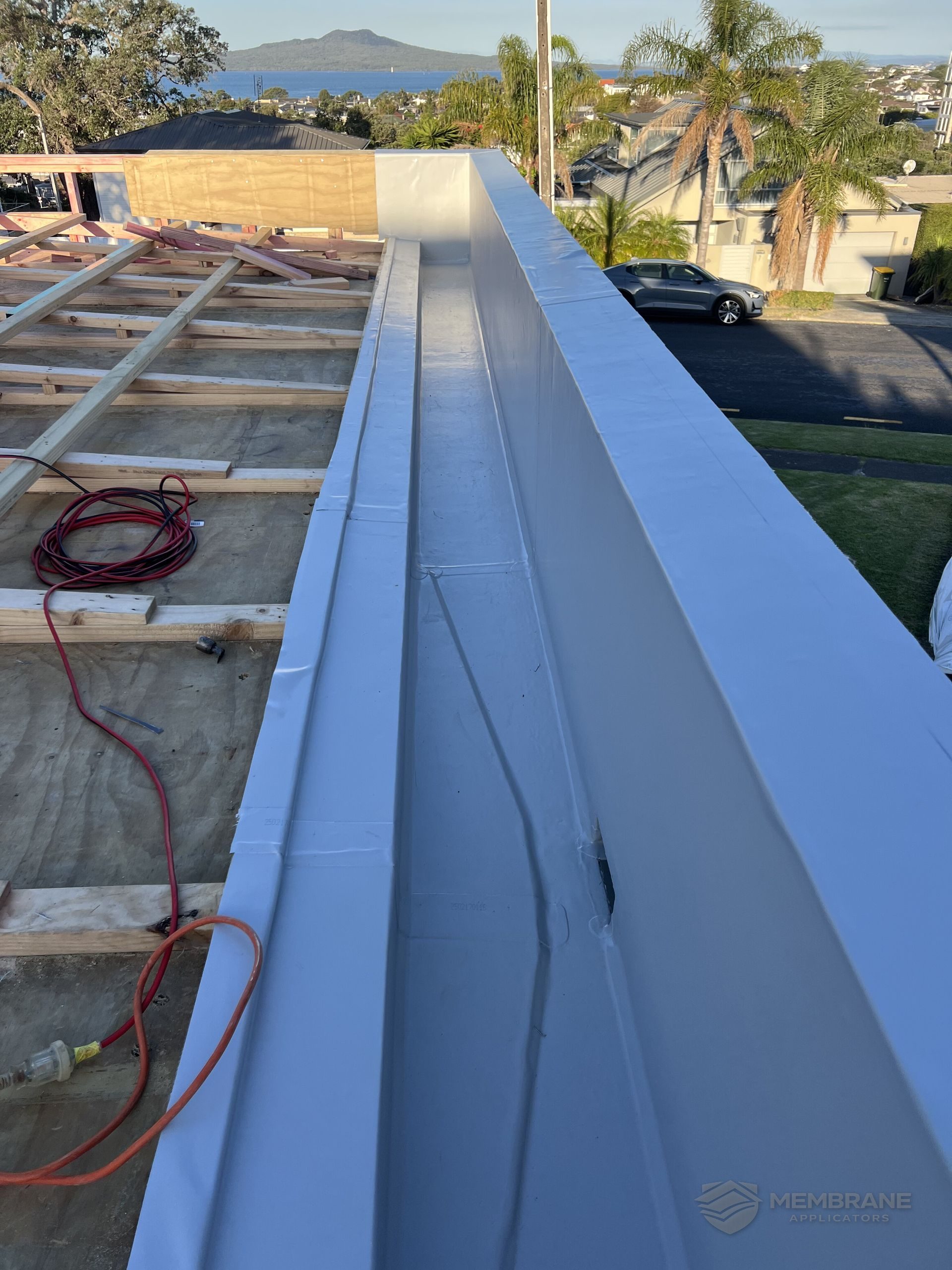
Gutters and parapets
Box gutters, parapet walls and roof edges — the details where flat roofs most often start leaking.
Our TPO Installation Process
The same seven steps on every roof, whether it is a small deck or a large commercial area. Most of the value is in the first and the last two.
- 1
Roof inspection
We get on the roof and look at the existing surface, the falls, the outlets and the details. If there is an active leak we trace it before quoting.
- 2
Assessment and preparation
We confirm what the roof needs, agree the scope and set up access, safety and material handling before any work starts.
- 3
Substrate preparation
The surface the membrane sits on is cleaned, dried and made sound. Anything soft, loose or uneven is dealt with first.
- 4
Membrane installation
TPO sheets are set out, aligned and fixed down so the laps run with the fall of the roof.
- 5
Hot-air welding
Every lap is welded with hot air so the sheets fuse together, then the welds are checked along their length.
- 6
Flashings and detailing
Upstands, outlets, penetrations, corners and terminations are flashed and sealed — the work that decides whether a flat roof lasts.
- 7
Final inspection
We walk the finished roof, check the welds and details, clear the outlets and hand it over clean.
TPO Roof Replacement
When a roof has reached the end of its working life, patching it becomes a running cost rather than a fix. A replacement takes the old covering off, deals with whatever is found underneath, and puts down a new welded TPO membrane with fresh flashings and terminations.
It is also the point at which falls, outlets and detail problems can be corrected instead of carried over into the next roof.
More on TPO roof replacementTPO Roof Repairs
A TPO roof that is leaking is usually not failing as a whole. Far more often it is a lifted lap, a tired flashing, a penetration that has been disturbed, or an outlet that has silted up and is holding water.
We trace the source first, then repair by welding new membrane into the affected area and reworking the surrounding detail.
More on TPO roof repairsTPO Roof Maintenance
Membrane roofs are low maintenance, not no maintenance. Keeping outlets and gutters clear so water can leave the roof, removing debris and leaf build-up, and checking upstands and penetrations periodically will catch most problems while they are still small.
We are happy to inspect an existing TPO roof and tell you honestly whether it needs anything.
How TPO Compares
TPO vs Butynol
Butynol is a synthetic rubber membrane and has been used on New Zealand flat roofs for a long time. It is very flexible, which makes it forgiving around awkward shapes, and its joins are bonded with adhesive.
TPO is a thermoplastic, so its joins are hot-air welded instead of glued — the sheets fuse together. TPO is also normally light coloured where Butynol is dark, so the two behave differently in the sun.
Neither is simply better. Butynol is often the natural choice for repairing or matching an existing Butynol roof, and TPO is frequently chosen for new work and larger areas. We install both, so we can give you a straight comparison for your roof. Read more about Butynol roofing, or for repair work to an existing Butynol roof see our specialist Butynol repair website, run by the same team.
Comparing membrane systems
The right choice depends on the substrate, the build-up, the access and what the roof has to do. Compare TPO, Butynol and liquid applied membrane on our flat roof membrane page.
TPO Roofing FAQs
TPO stands for thermoplastic polyolefin. It is a single-ply roofing membrane supplied in rolls, laid over a prepared roof surface and joined by hot-air welding. Because the laps are welded rather than glued, the finished roof behaves as one continuous waterproof layer.
Yes. TPO is widely used on house flat roofs, garages, additions, decks and low-slope sections. It is light, it can be finished with tidy welded details around parapets and thresholds, and the light colour suits roofs that are overlooked by windows or upper floors.
Yes, and it is very common on them. Wide rolls make it efficient over large open roof areas, the low weight suits long structural spans, and repairs can usually be made in sections without disrupting the building below.
Sometimes. It depends on the condition of what is already there, whether the substrate is dry and sound, and whether the build-up and details still work. We assess that on site — if the existing roof is holding moisture or breaking down, covering it over only hides the problem.
The overlapping edges of two sheets are heated with a hot-air welder and pressed together while hot, so the material fuses. Once cooled, the weld is checked along its length to confirm it has taken. No open flame is used, which is one reason TPO suits occupied buildings.
It depends on the roof area, access, the amount of detail work and the weather. A small residential flat roof or deck is usually a matter of days, while a large commercial roof is planned in stages. We give you an expected timeframe with the quote.
Usually, yes. Most leaks come from a lifted lap, a damaged flashing, a penetration detail or a blocked outlet rather than the field of the sheet. We trace the source, repair or re-weld the affected area and check the surrounding details at the same time.
There is no honest fixed rate. Cost depends on the roof area, how much preparation or strip-out is needed, access and scaffolding, the number of penetrations and details, and whether the roof is a new install or a replacement. We inspect the roof and give you a written quote for your specific job.
Explore TPO Roofing
TPO Membrane Installation
How we install and hot-air weld TPO, step by step.
Read moreTPO Contract Roofing
TPO roofing for commercial projects, new builds and developments.
Read morePenetrations & Detailing
Flashings, upstands, gutters and outlets — where roofs really last or fail.
Read moreCommercial TPO Roofing
Large-area membrane roofing for commercial and industrial buildings.
Read moreTPO Roof Replacement
Replacing an end-of-life flat roof with a new welded TPO system.
Read moreTPO Roofing Auckland
Local context: Auckland flat roofs, weather and the leaks we see most.
Read moreThinking About a TPO Roof?
Send us the address and a few details and we will arrange a roof inspection and a written quote.
Request a Quote