
TPO Roofing
Commercial TPO Roofing: Durable Solutions for Auckland Businesses
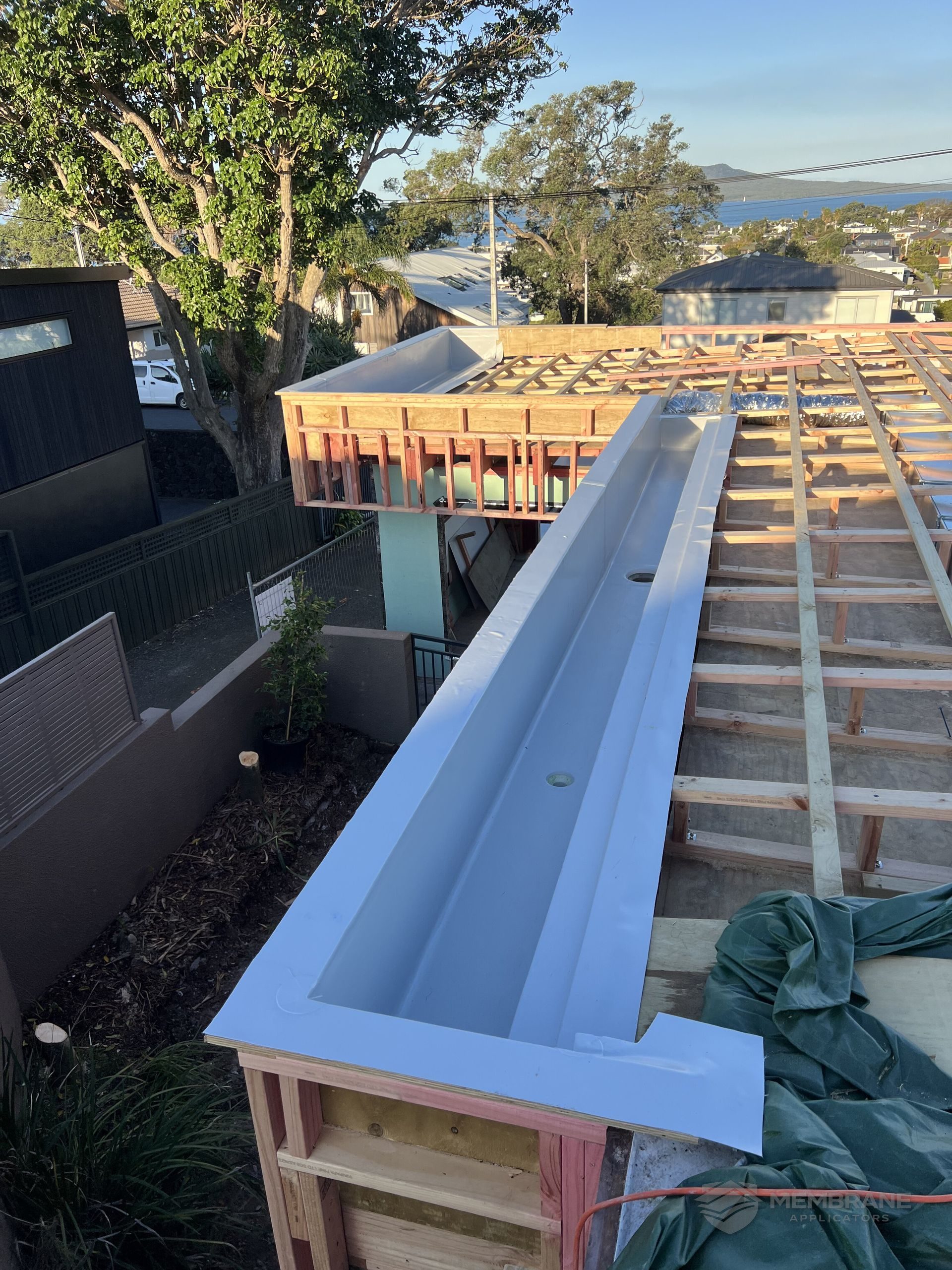
TPO membrane roofing offers Auckland commercial property owners a durable, energy-efficient solution for flat roofs, providing exceptional weather resistance and long-term waterproofing performance.
The Rise of Commercial TPO Roofing in Auckland
In the ever-evolving landscape of Auckland’s commercial architecture, property owners and developers are increasingly looking for roofing solutions that balance performance, longevity, and cost-effectiveness. Thermoplastic Polyolefin (TPO) membrane roofing has emerged as a frontrunner in this category, particularly for large-scale flat or low-slope commercial buildings. From industrial warehouses in Wiri to modern retail complexes in Albany, TPO is becoming a common sight on the city's skyline.
Auckland’s unique climate—characterised by high UV levels, frequent rainfall, and salt-laden air—places significant demands on any waterproofing system. TPO is specifically engineered to handle these conditions, offering a heat-reflective surface and robust chemical resistance. In this guide, we explore why TPO is often the preferred choice for commercial applications and what Auckland business owners should consider when planning a roof installation or upgrade.
Why TPO Membrane is Ideal for Large Commercial Roofs
Commercial buildings typically have large surface areas, making energy efficiency a major priority. TPO membranes are generally white or light grey, which provides high solar reflectivity. In the height of an Auckland summer, this heat-reflective property can significantly reduce the 'urban heat island' effect and lower the cooling loads on the building’s HVAC systems.
Reflective Properties and Energy Savings
The reflective nature of TPO doesn't just keep the building cooler; it also protects the membrane itself. By reflecting UV radiation rather than absorbing it, the material is less prone to thermal expansion and contraction, which can stress traditional dark-coloured roofing systems. Over the lifespan of a commercial asset, these incremental energy savings and reduced maintenance requirements can represent a substantial return on investment.
Exceptional Weather Resistance
Auckland is no stranger to sudden downpours and strong winds. TPO membranes are typically installed with hot-air welded seams, which are physically stronger than the membrane itself. This monolithic surface provides an incredibly reliable barrier against water ingress. When properly detailed around penetrations—such as HVAC units, skylights, and internal gutters—TPO creates a high-performance envelope that stands up to the Tasman Sea's weather patterns.
The Professional Installation Advantage
While TPO is known for its durability, its performance is heavily dependent on the quality of the installation. For Auckland commercial projects, this involves precise hot-air welding and careful attention to detail at every junction.
Hot-Air Welded Seams
Unlike some other membrane systems that rely on adhesives or tapes, TPO is a thermoplastic. This means the seams are fused together using high-temperature air. In many cases, these welded seams are the strongest part of the roof. For a commercial property owner, this provides peace of mind that the most common point of failure in flat roofs—the joints—is actually a point of strength.
Managing Roof Penetrations
Commercial roofs are often crowded with plant equipment and structural penetrations. Every pipe, vent, and mounting bracket is a potential leak point. TPO systems include a range of prefabricated flashings and accessories that allow for consistent, high-quality waterproofing around these complex details. A professional installation ensures that these critical areas are handled with the same level of care as the main roof field.
Cost-Effectiveness and Long-Term Value
When evaluating roofing options for an Auckland commercial building, budget is always a factor. TPO is generally considered one of the most cost-effective membrane systems available today. It offers many of the performance benefits of premium systems like PVC, but often at a more accessible price point.
Reduced Maintenance Over Time
Because TPO is naturally resistant to mould growth, algae, and chemical exposure, it typically requires less frequent cleaning and maintenance than older roofing technologies. While we generally recommend a bi-annual roof inspection to check for debris in gutters and ensure drainage points are clear, the membrane itself is remarkably low-maintenance.
Durability in Auckland's Environment
The chemical composition of TPO allows it to remain flexible over a wide range of temperatures. In Auckland, where we can experience 'four seasons in one day,' this flexibility is vital. The membrane can accommodate the natural movement of large commercial structures without cracking or tearing, ensuring the building’s contents remain dry and protected for years to come.
TPO vs. Traditional Commercial Roofing Options
In the past, many Auckland commercial buildings relied on built-up bitumen roofs or metal cladding. While these systems have their place, TPO offers several distinct advantages for modern flat-roof designs.
- Weight: TPO is significantly lighter than multi-layer bitumen systems, reducing the structural load on the building.
- Complexity: Unlike metal roofs, which require complex flashing details on low slopes, TPO provides a seamless waterproofing layer that is inherently suited to flat surfaces.
- Safety: TPO is often installed using mechanical fasteners or adhesives, and the seams are welded with hot air, eliminating the need for open flames (torches) on the job site in many configurations.
Maintenance Strategy for Commercial Property Managers
To get the most out of a commercial TPO roof, a proactive maintenance strategy is essential. Auckland’s environment, while beautiful, can be harsh on building materials.
- Regular Inspections: We suggest having a professional roofer conduct an inspection twice a year, ideally before and after the winter months.
- Debris Removal: Ensure that internal gutters and sumps are kept clear of leaves and debris, which can lead to ponding water.
- Check Penetrations: Periodically check the seals around HVAC units and other roof-mounted equipment.
- Professional Cleaning: If the roof becomes significantly soiled, a professional soft-wash can restore its reflective properties and keep it looking its best.
Conclusion
For Auckland businesses looking for a roofing solution that combines modern technology with proven performance, TPO membrane is an outstanding choice. Its ability to reflect heat, resist the elements, and provide a long-term waterproof seal makes it a smart investment for any commercial property owner. Whether you are managing a new build or looking to refurbish an existing flat roof, understanding the benefits of TPO is the first step toward a secure, energy-efficient building.
If you are considering a new roof for your commercial property, professional advice is the best way to ensure you choose the right system for your specific needs.
Request a Quote | Book a Roof Inspection | Contact Us
Keep Reading
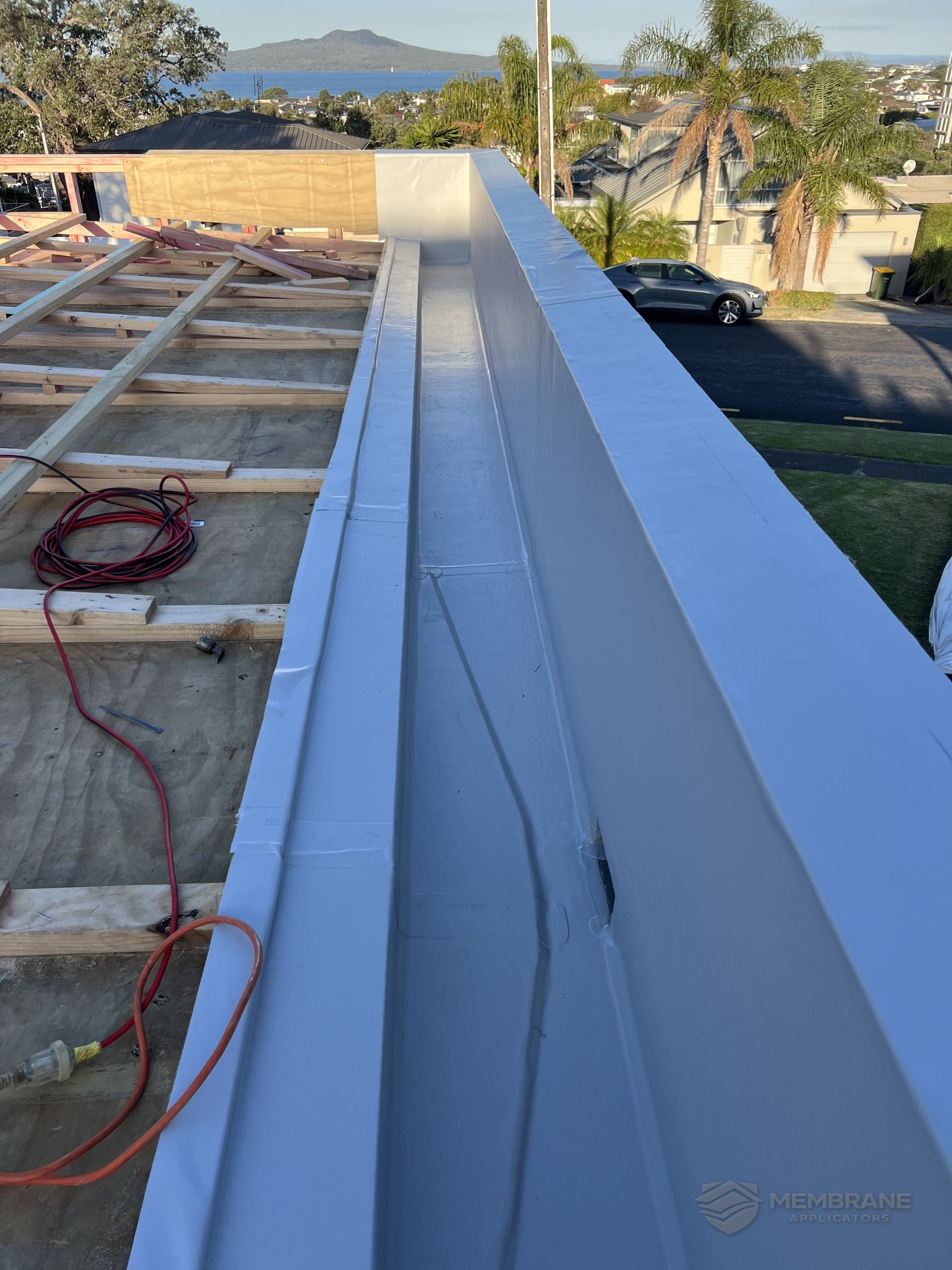
TPO Roofing in Auckland: Best Solutions for the Local Climate
Discover why TPO membrane is the ideal choice for Auckland's unique weather, offering superior UV resistance and durability for flat and low-pitch roofs.
Read more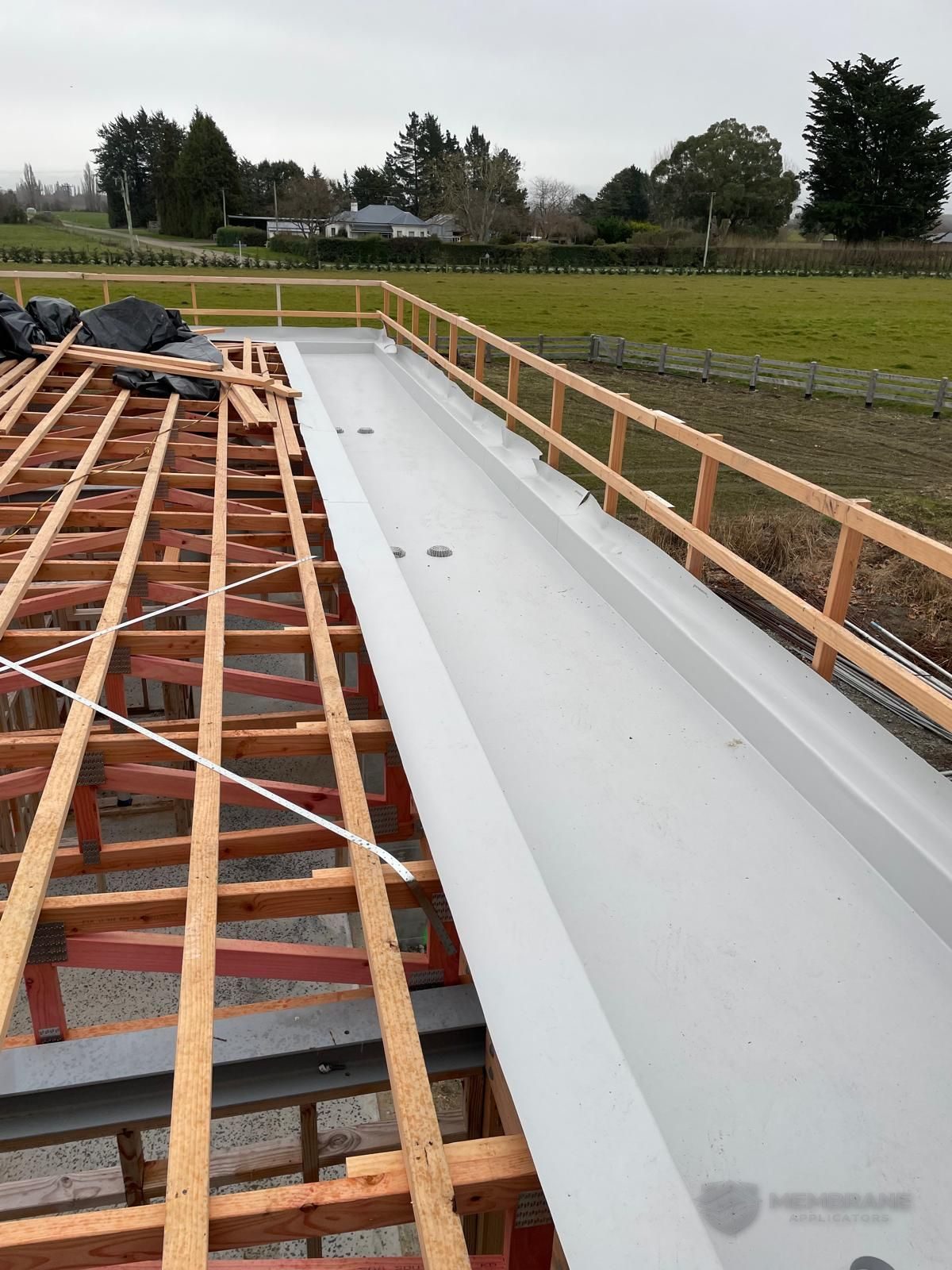
TPO Membrane Repairs: How to Fix Flat Roof Leaks in Auckland
Is your TPO roof showing signs of wear or leaking? Learn the essential steps for TPO membrane repairs and how to maintain your Auckland property's flat roof.
Read more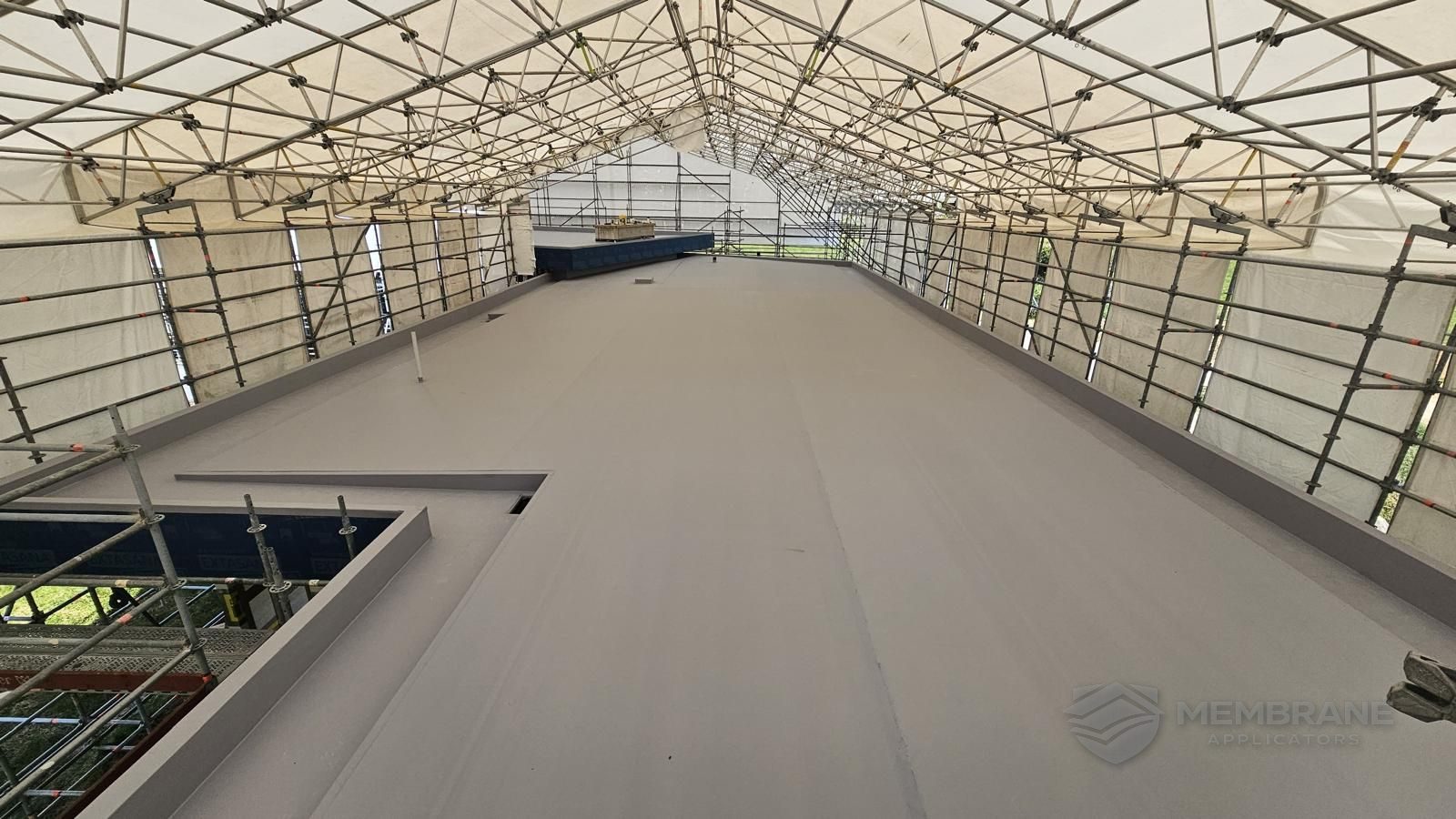
TPO vs PVC Roofing: Which Membrane is Best for NZ Properties?
Explore the key differences between TPO and PVC roofing membranes to determine the most durable and cost-effective waterproofing solution for your Auckland flat roof.
Read more