
TPO Roofing
TPO Membrane Repairs: How to Fix Flat Roof Leaks in Auckland
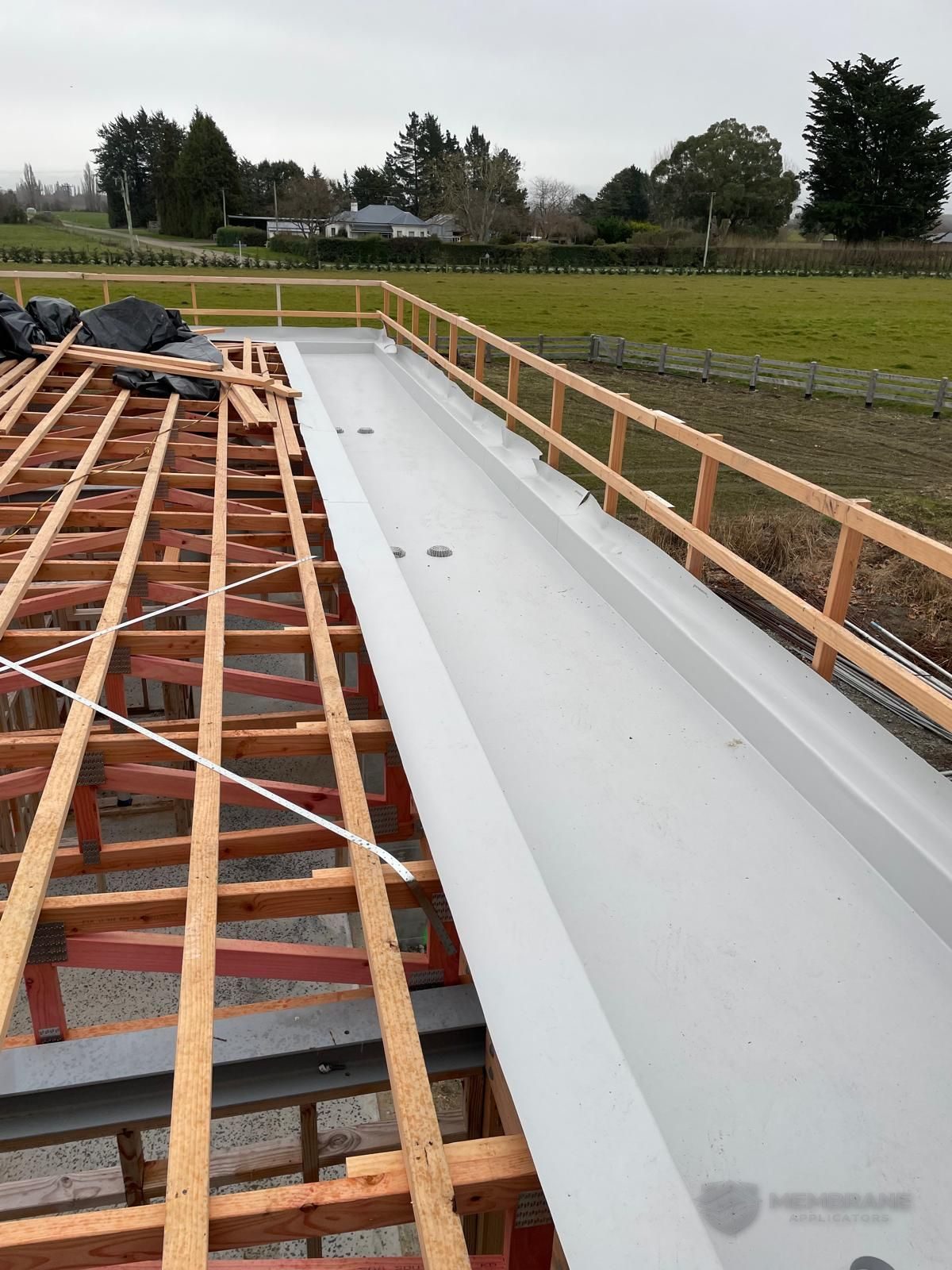
Is your TPO roof showing signs of wear or leaking? Learn the essential steps for TPO membrane repairs and how to maintain your Auckland property's flat roof.
Understanding TPO Membrane Repairs for Auckland Properties
Thermostatic Polyolefin (TPO) has become one of the most popular choices for flat roofing in Auckland. Its reflective properties and durability make it an excellent fit for the local climate, where intense UV rays and high rainfall are common. However, even the most robust TPO system can eventually require attention. Whether it is due to mechanical damage, extreme weather events, or simply the natural ageing process, understanding how TPO membrane repairs are handled is crucial for any property owner.
In this guide, we will explore the typical causes of TPO roof damage, the repair process generally employed by professionals, and how to keep your Auckland flat roof in top condition.
Common Causes of TPO Roof Damage
While TPO is designed to withstand the elements, several factors can lead to the need for repairs. In many cases, these issues start small and become significant if left unaddressed.
- Puncture Damage: Heavy foot traffic or tools dropped during maintenance of HVAC units can puncture the membrane. In the Auckland context, hail or debris during a storm can also cause localized damage.
- Seam Failure: TPO roofs rely on heat-welded seams. While these are incredibly strong, improper installation or significant building movement can occasionally cause a seam to pull apart.
- Ponding Water: If a flat roof lacks adequate drainage, water can collect in certain areas. While TPO is water-resistant, long-term ponding can stress the membrane and any nearby penetrations.
- Shrinkage: Although less common with modern TPO formulations, some older membranes may experience slight shrinkage over many years, which can pull at the flashings and upstands.
The Professional TPO Repair Process
Repairing a TPO roof is not a standard DIY job. Because the membrane is a specialized thermoplastic, it requires specific tools and techniques—typically involving hot-air welding—to ensure a permanent, watertight bond.
1. Inspection and Cleaning
The first step is always a thorough inspection to identify the source of the leak or damage. Once found, the area around the damage must be meticulously cleaned. Over time, TPO accumulates a layer of dirt and oxidation. For a new patch to bond correctly, this surface must be scrubbed with a specific TPO cleaner to expose the fresh membrane.
2. Preparing the Patch
Generally, a patch is cut from a new piece of TPO membrane. The patch should be rounded at the corners to prevent peeling and should extend at least 50mm to 100mm beyond the damaged area in all directions.
3. Heat Welding
This is the most critical stage. A professional technician uses a hand-held hot-air welder to heat both the existing membrane and the underside of the patch. Once the material reaches the correct temperature, it becomes molten. The patch is then rolled into place with a silicone roller, fusing the two layers into a single, homogenous piece of TPO.
4. Probing the Weld
After the weld has cooled, a seam probe is used to check for any "cold welds" or gaps. If the probe can get under the edge of the patch at any point, that section must be re-welded.
TPO Repairs vs. Overlays in Auckland
In some instances, if an existing TPO roof is reaching the end of its functional life but the underlying structure is still sound, a liquid-applied membrane might be considered as an overlay. This can be a cost-effective way to extend the life of the roof without a full replacement. However, for isolated damage, a welded TPO patch remains the gold standard for repairs.
Maintaining Your TPO Roof in the NZ Climate
Prevention is always better than cure. Given Auckland's unique weather patterns—often described as "four seasons in one day"—regular maintenance is essential.
- Clear Gutters and Drains: Ensure that box gutters and internal drains are free of leaves and debris. Auckland's heavy downpours can quickly lead to overflow if drainage is restricted.
- Bi-Annual Inspections: It is typically recommended to have your roof inspected twice a year, usually in autumn and spring. This allows you to catch minor issues before they lead to internal water damage.
- Check Penetrations: Most leaks occur at "penetrations" like vents, pipes, and skylights. Ensure the flashings and sealant around these areas remain intact.
When to Call a Professional
If you notice water spots on your ceiling, damp smells, or visible sagging on your flat roof, it is time to Book a Roof Inspection. Delaying TPO membrane repairs can lead to saturated insulation, which significantly increases the cost and complexity of the eventual fix.
By addressing issues early and using the correct welding techniques, you can ensure your TPO roof continues to protect your Auckland home or business for many years to come.
For any concerns regarding your flat roof, feel free to Contact Us for professional advice.
Summary of Best Practices
Maintaining a TPO roof in Auckland requires a proactive approach. By understanding the typical repair process and keeping up with regular inspections, property owners can maximize the lifespan of their investment. Whether you are dealing with a minor puncture or a more complex drainage issue, professional TPO services are the most reliable way to maintain a watertight building.
If you are ready to ensure your roof is prepared for the coming season, you can Request a Quote today.
Keep Reading
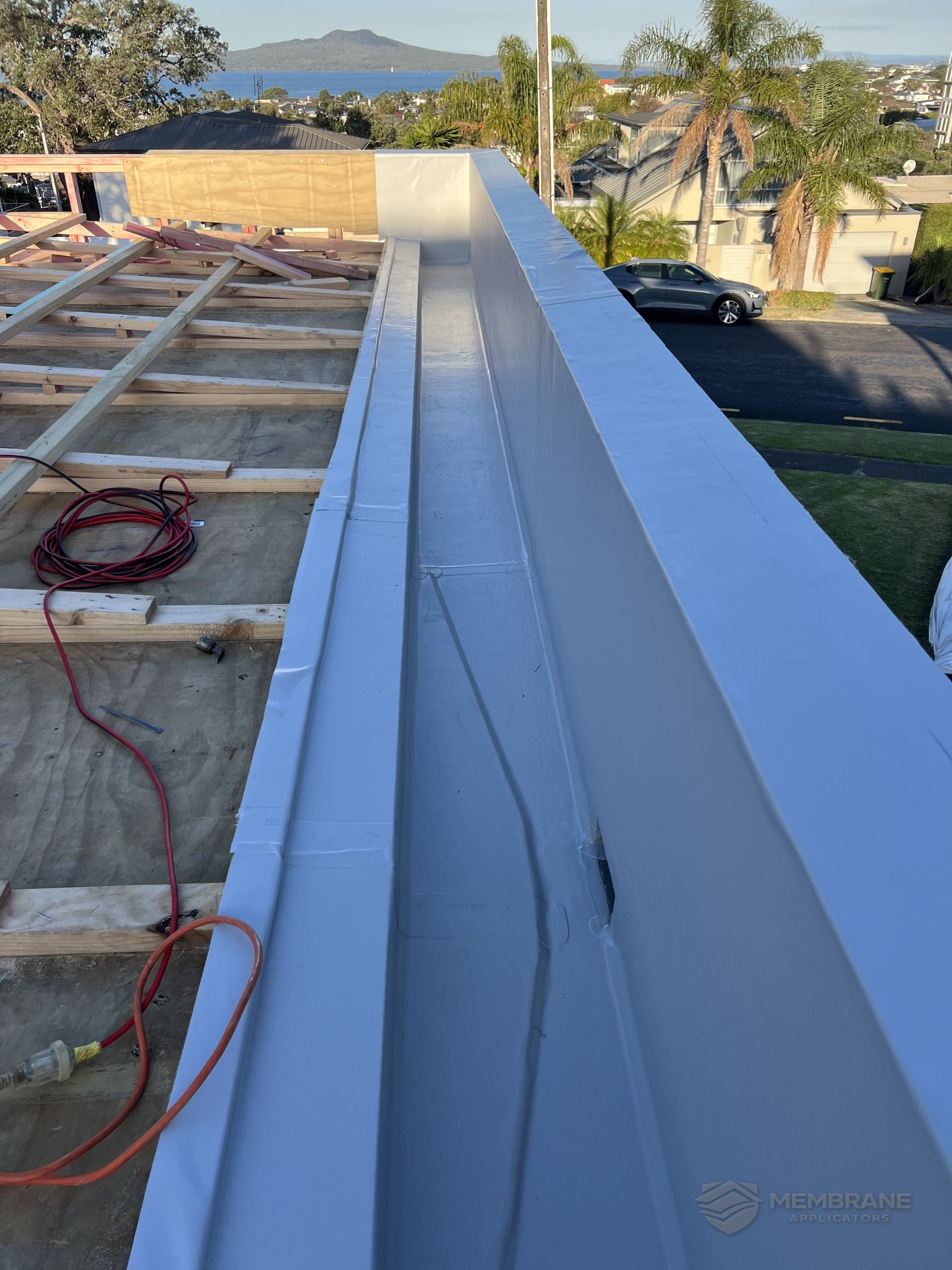
TPO Roofing in Auckland: Best Solutions for the Local Climate
Discover why TPO membrane is the ideal choice for Auckland's unique weather, offering superior UV resistance and durability for flat and low-pitch roofs.
Read more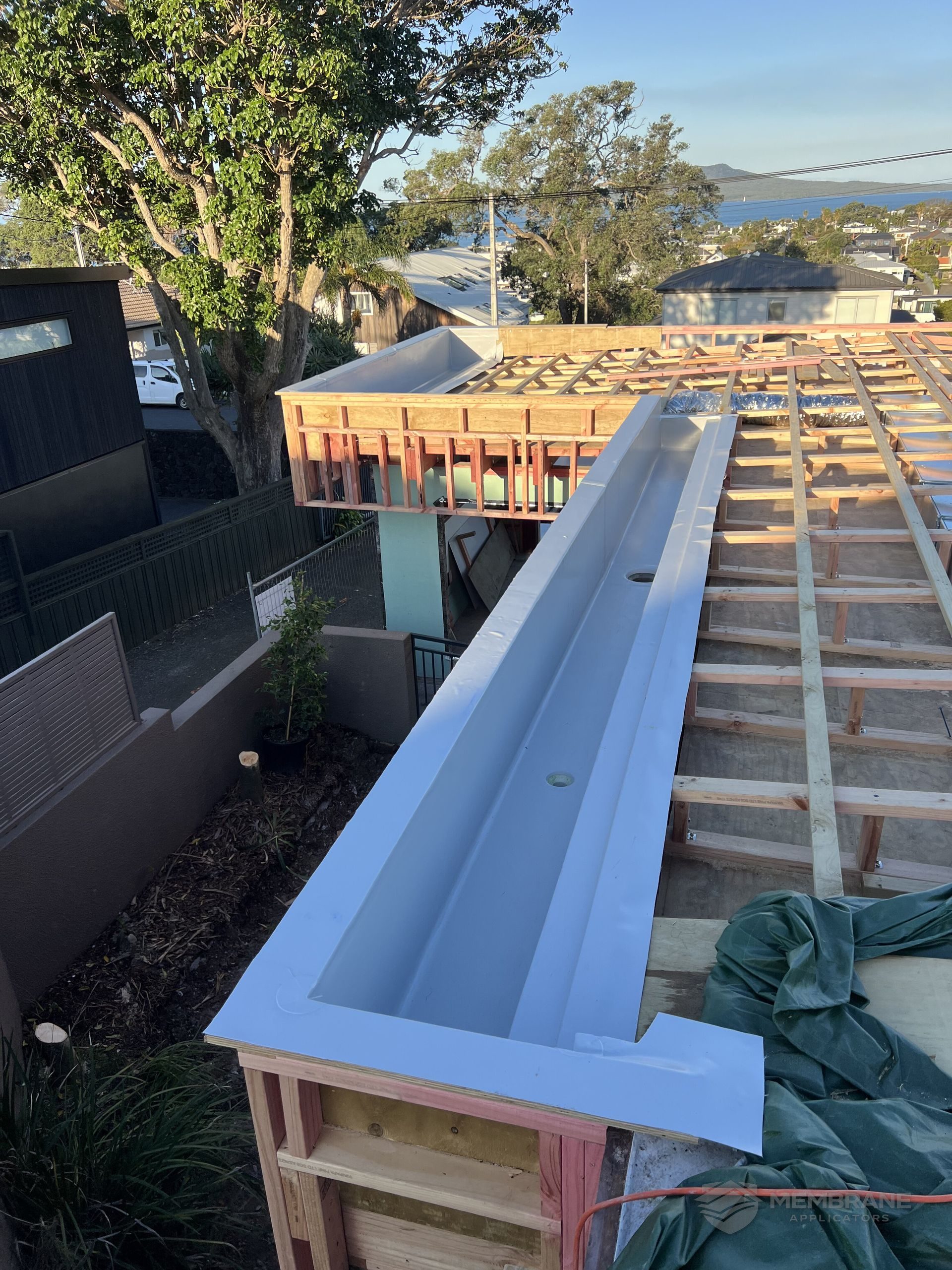
Commercial TPO Roofing: Durable Solutions for Auckland Businesses
TPO membrane roofing offers Auckland commercial property owners a durable, energy-efficient solution for flat roofs, providing exceptional weather resistance and long-term waterproofing performance.
Read more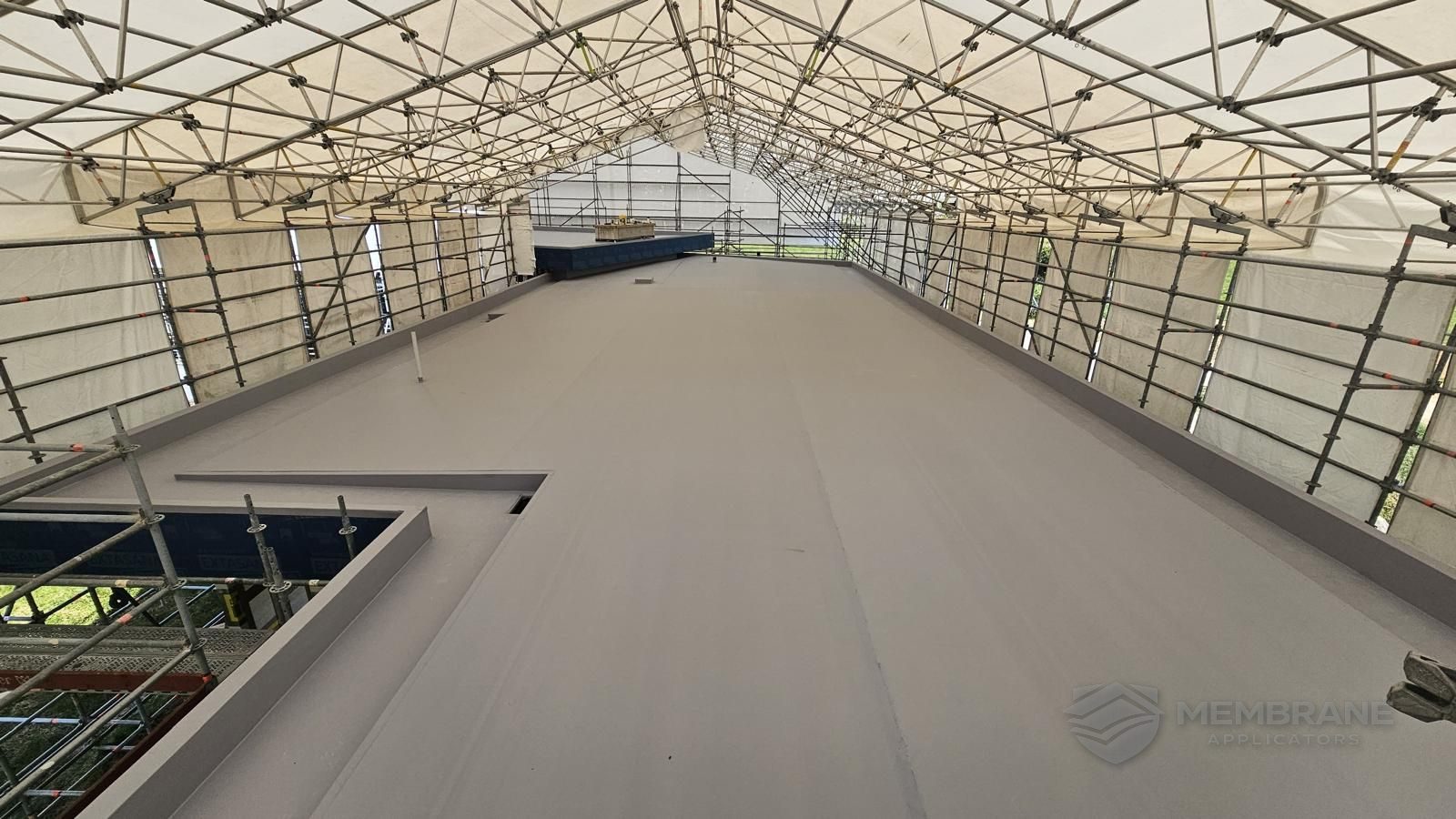
TPO vs PVC Roofing: Which Membrane is Best for NZ Properties?
Explore the key differences between TPO and PVC roofing membranes to determine the most durable and cost-effective waterproofing solution for your Auckland flat roof.
Read more