
TPO Roofing
TPO Roofing in Auckland: Best Solutions for the Local Climate
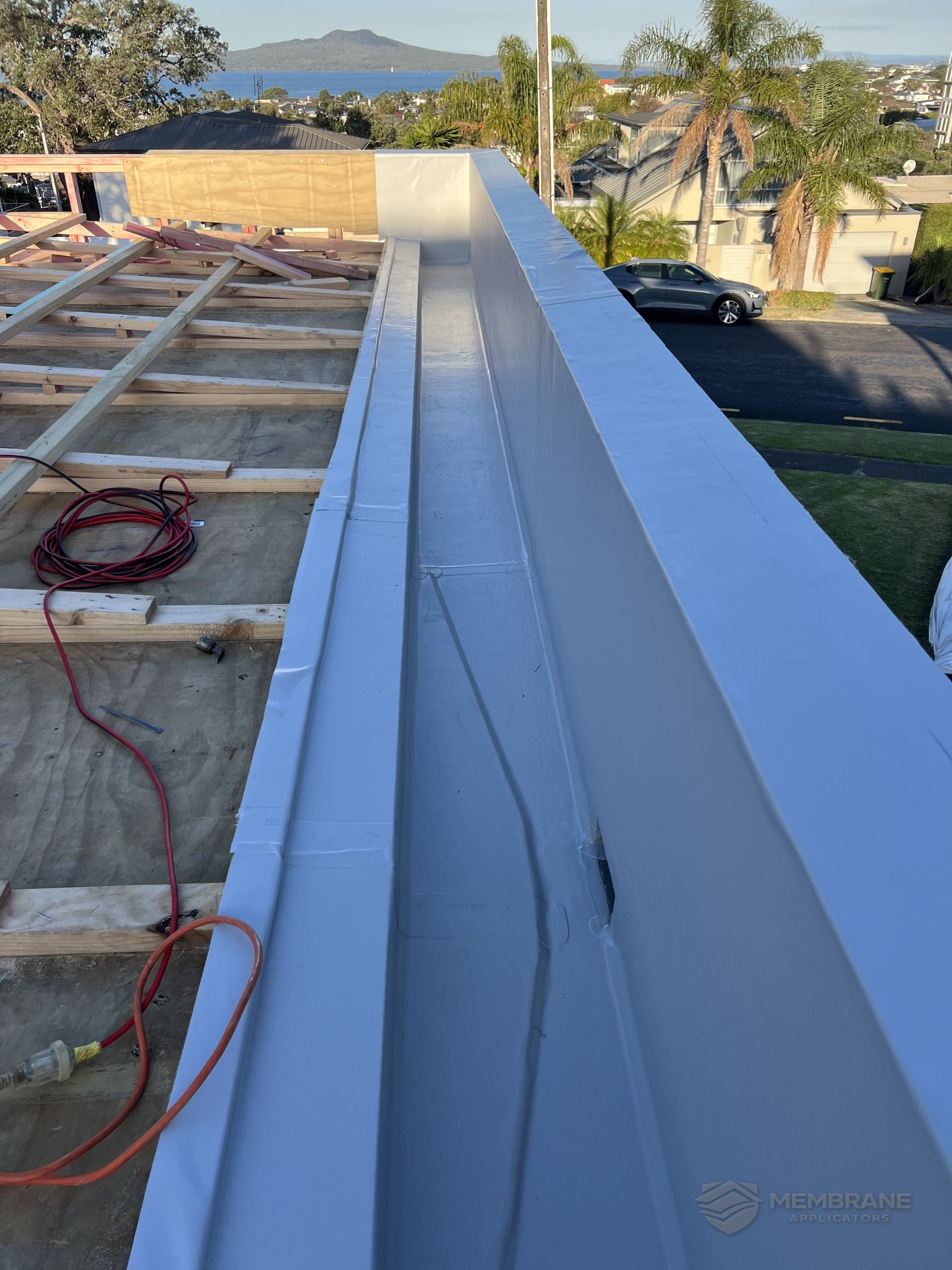
Discover why TPO membrane is the ideal choice for Auckland's unique weather, offering superior UV resistance and durability for flat and low-pitch roofs.
TPO Roofing in Auckland: The Ultimate Climate-Ready Solution
Auckland’s unique maritime climate presents significant challenges for residential and commercial roofing. From the intense UV radiation of the New Zealand sun to the sudden, heavy downpours that characterize our winters, selecting the right material for a flat or low-pitch roof is a critical decision. Thermoplastic Polyolefin (TPO) has emerged as one of the most reliable and efficient solutions for Auckland properties.
In this guide, we explore why TPO membrane roofing is ideally suited for the Auckland environment, how it performs over time, and what property owners should consider when planning an installation or replacement.
Understanding Auckland’s Roofing Challenges
Property owners in the Auckland region deal with a specific set of environmental factors that can accelerate the degradation of traditional roofing materials.
High UV Exposure
New Zealand experiences some of the highest UV levels in the world. On a flat roof, where the sun hits directly for most of the day, standard membranes can become brittle, crack, or chalk over time. TPO is engineered with high-performance UV stabilizers, which helps the membrane remain flexible and intact even after years of exposure to the harsh Southern Hemisphere sun.
Salt Spray and Humidity
With the Waitematā and Manukau harbours on either side, Auckland is never far from the coast. Salt spray can be corrosive to metal roofing components. TPO, being a thermoplastic membrane, is naturally resistant to chemical and salt-related corrosion, making it a "fit and forget" solution for coastal suburbs like Devonport, Mission Bay, or Te Atatū.
Thermal Expansion and Contraction
Auckland’s weather can be unpredictable, with four seasons in one day. This leads to rapid temperature changes, causing roofing materials to expand and contract. If a membrane is not flexible, these thermal cycles can lead to split seams or mechanical failure. TPO’s heat-welded seams are generally considered stronger than the membrane itself, providing a monolithic surface that handles thermal movement with ease.
Why TPO is the Preferred Choice for Auckland Flat Roofs
When comparing TPO to other systems like EPDM (rubber) or traditional bitumen-based products, several advantages stand out specifically for the local market.
Energy Efficiency and Heat Reflection
Most TPO membranes installed in Auckland are light grey or white. These reflective surfaces can significantly reduce the amount of heat absorbed by a building during the summer months. For commercial buildings with large roof areas, this typically results in lower internal temperatures and reduced cooling costs. Even for residential homes, a cooler roof cavity helps maintain a more comfortable living environment.
Superior Seam Integrity
Unlike older systems that rely on adhesives or tapes—which can eventually break down in humid Auckland conditions—TPO sections are fused together using hot-air welding. This process creates a permanent, waterproof bond. When properly installed, these seams are less likely to leak, which is vital given Auckland’s high annual rainfall.
Versatility in Design
TPO is highly flexible and can be easily detailed around the complex penetrations found on modern Auckland homes, such as skylights, HVAC units, and internal gutters. Whether it is a new build in Hobsonville Point or a renovation in Ponsonby, TPO can be adapted to fit almost any architectural requirement.
Key Maintenance Considerations for Auckland Owners
While TPO is low-maintenance, the Auckland environment does require some proactive care to ensure the roof reaches its full design life.
- Gutter Clearance: In leafy suburbs like Epsom or Titirangi, organic debris can accumulate in internal gutters. Regular clearing is essential to prevent water ponding, which puts unnecessary stress on the membrane.
- Visual Inspections: After significant storm events, it is wise to check for any wind-blown debris that might have caused physical damage.
- Professional Cleaning: Over time, Auckland’s humidity can encourage the growth of lichen or algae in shaded areas. While this generally doesn't damage the TPO membrane itself, it can affect the reflective properties of the roof.
The Installation Process in the New Zealand Context
Installing a TPO roof in Auckland requires specialized equipment and expertise. The process typically begins with ensuring the substrate—usually plywood or rigid insulation—is dry and structurally sound. This is particularly important in our climate, as trapping moisture beneath the membrane can lead to long-term issues.
Once the substrate is prepared, the TPO sheets are laid out and mechanically fastened or fully adhered, depending on the specific project requirements. The final and most critical step is the hot-air welding of all seams and flashings. A professional installation ensures that every upstand and penetration is double-checked for watertightness.
Summary
Choosing TPO for an Auckland flat roof project offers a balance of durability, energy efficiency, and cost-effectiveness. It is a material designed to withstand the very specific pressures of our local climate, providing peace of mind for decades to come.
If you are considering a new roof or need an assessment of your current flat roof, engaging with specialists who understand the local building code and environmental factors is the best first step.
Ready to protect your Auckland property?
- Request a Quote for your upcoming project.
- Book a Roof Inspection to assess the health of your current membrane.
- Contact Us to discuss the best TPO solutions for your home or business.
Keep Reading
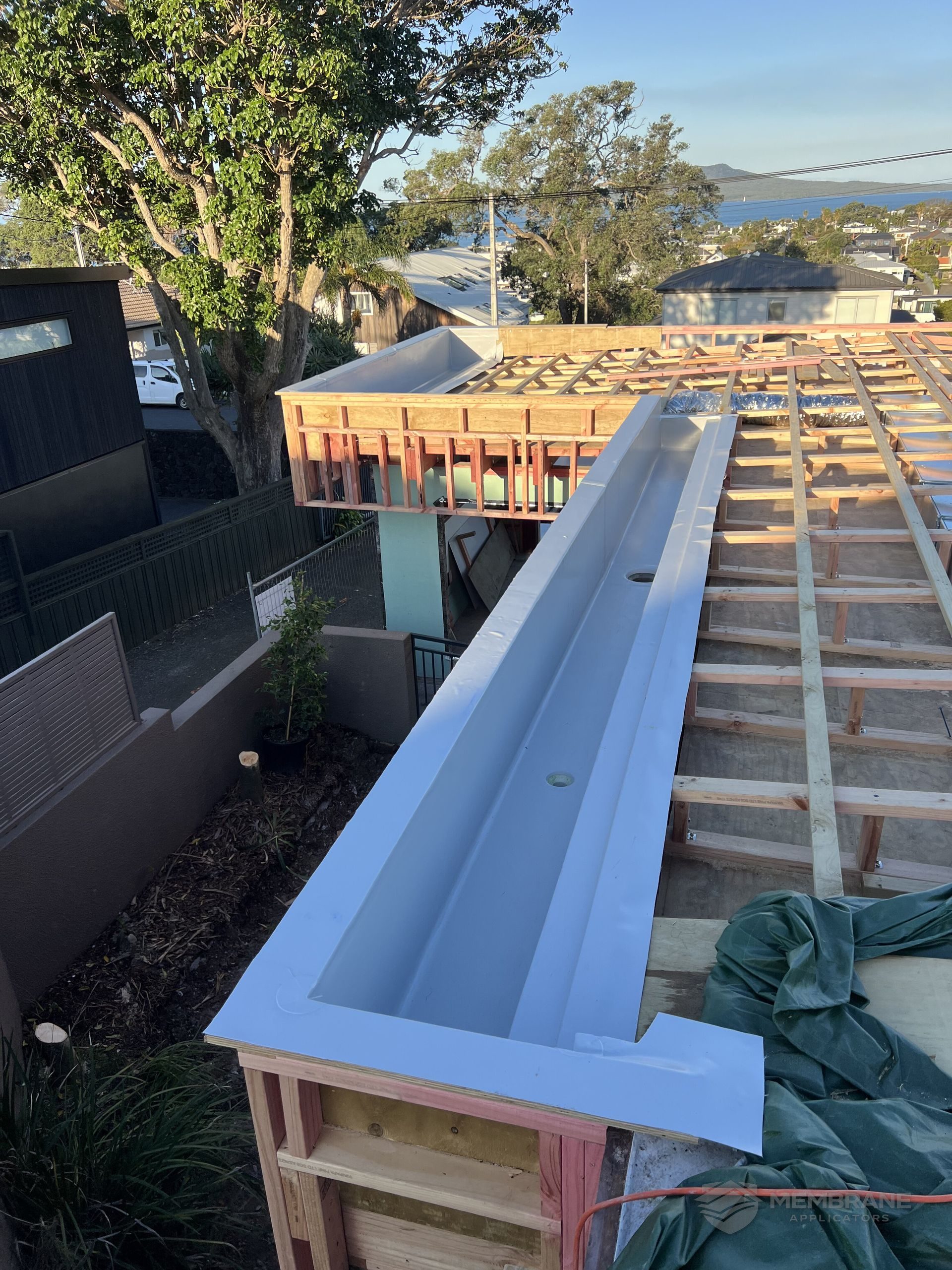
Commercial TPO Roofing: Durable Solutions for Auckland Businesses
TPO membrane roofing offers Auckland commercial property owners a durable, energy-efficient solution for flat roofs, providing exceptional weather resistance and long-term waterproofing performance.
Read more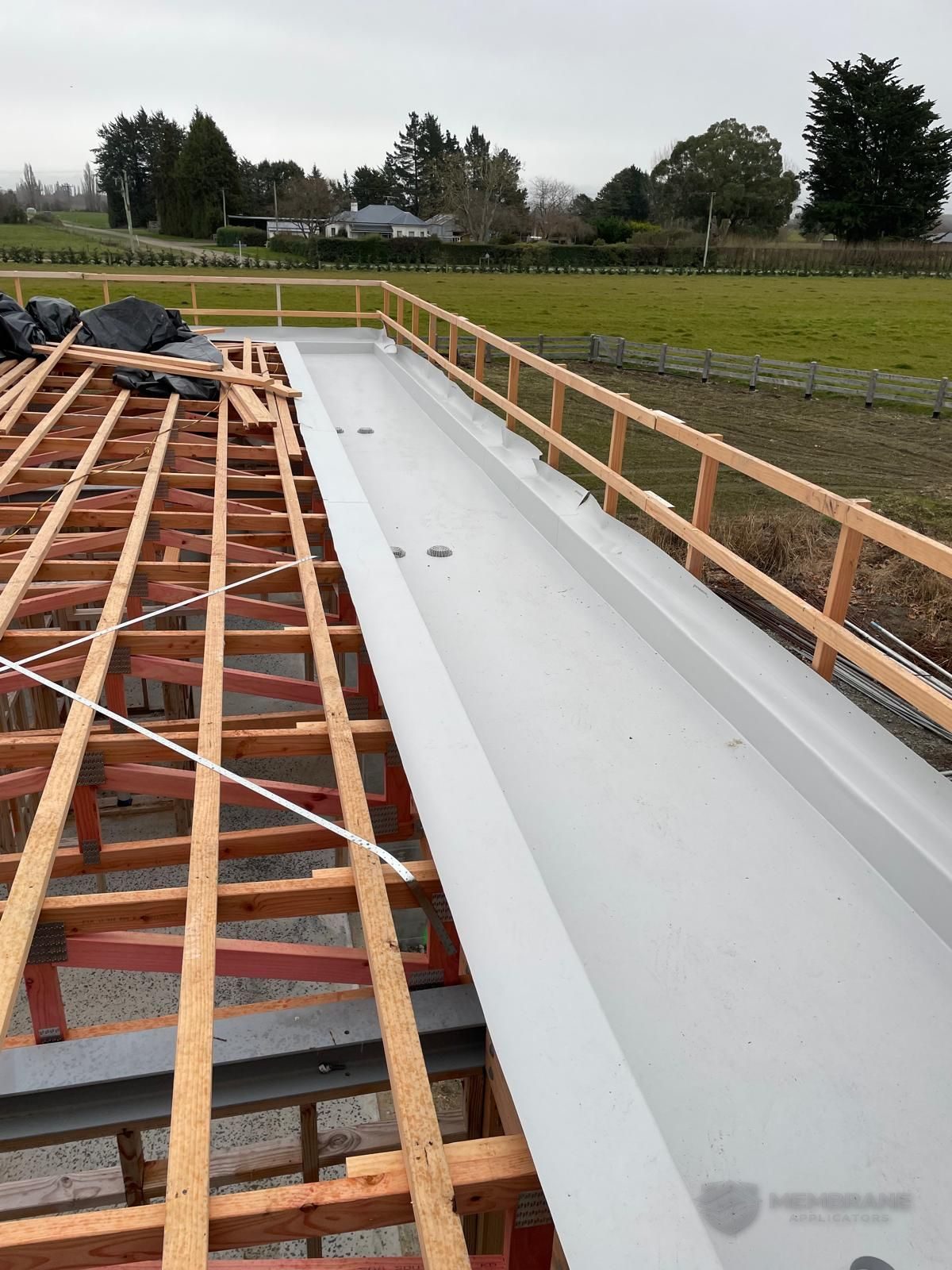
TPO Membrane Repairs: How to Fix Flat Roof Leaks in Auckland
Is your TPO roof showing signs of wear or leaking? Learn the essential steps for TPO membrane repairs and how to maintain your Auckland property's flat roof.
Read more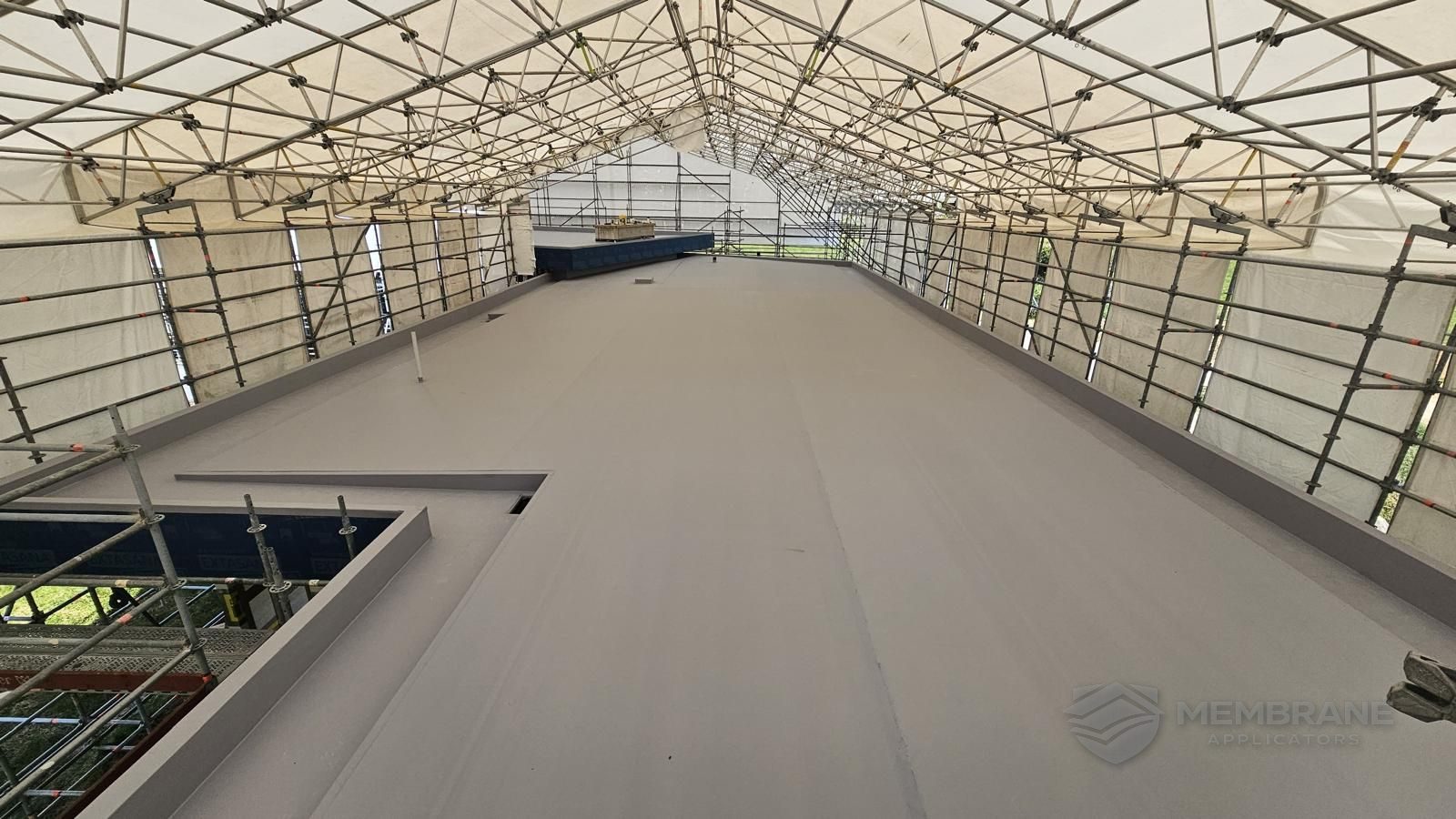
TPO vs PVC Roofing: Which Membrane is Best for NZ Properties?
Explore the key differences between TPO and PVC roofing membranes to determine the most durable and cost-effective waterproofing solution for your Auckland flat roof.
Read more