
TPO Roofing
TPO vs PVC Roofing: Which Membrane is Best for NZ Properties?
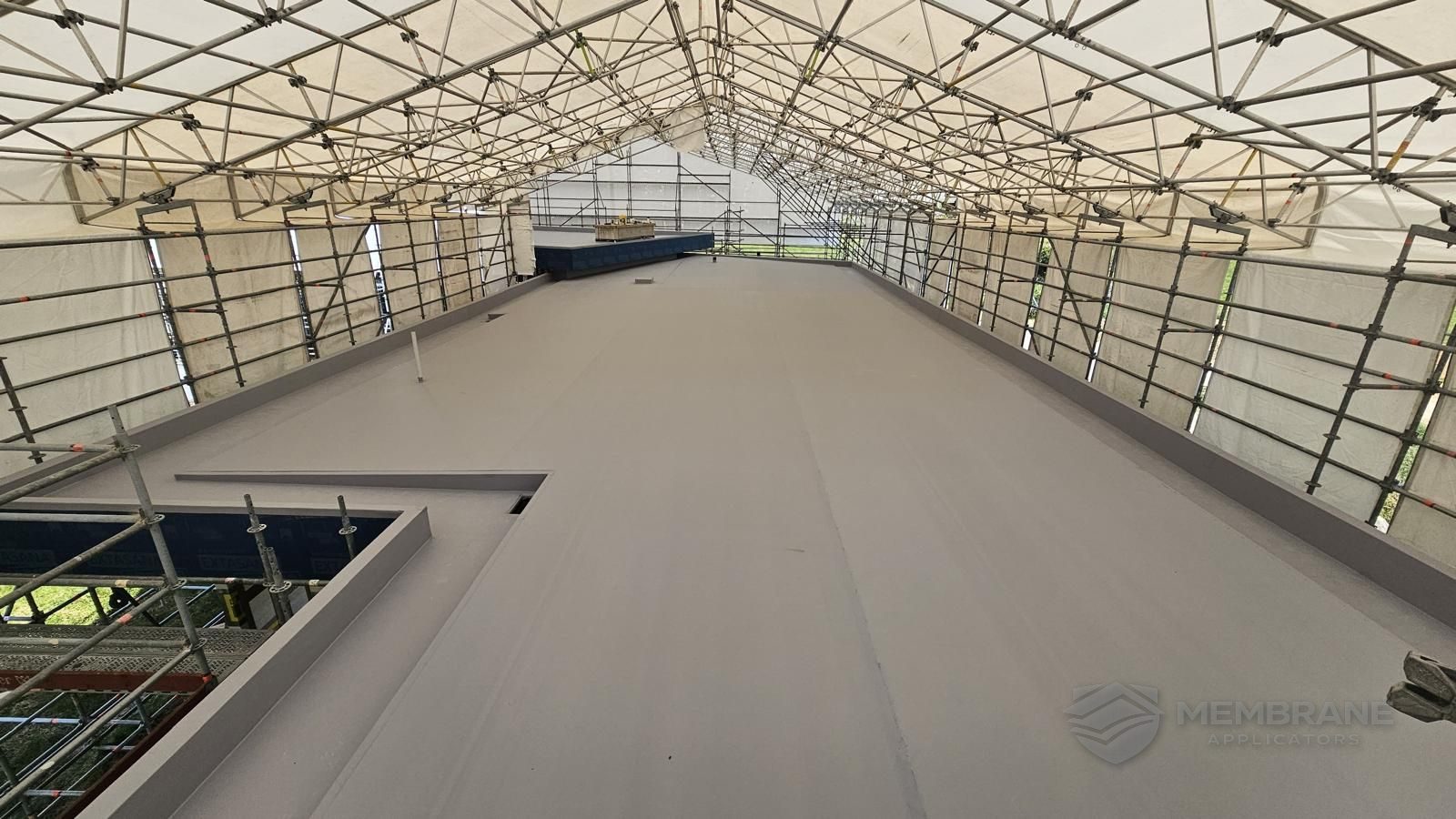
Explore the key differences between TPO and PVC roofing membranes to determine the most durable and cost-effective waterproofing solution for your Auckland flat roof.
TPO vs PVC Roofing: Choosing the Right Membrane for the Auckland Climate
When it comes to flat or low-slope roofing in New Zealand, thermoplastic membranes have become a go-to choice for residential and commercial properties alike. Two of the most popular options on the market today are TPO (Thermoplastic Polyolefin) and PVC (Polyvinyl Chloride). While they may look similar to the untrained eye—both being single-ply, weldable sheets—their chemical compositions, performance characteristics, and long-term durability differ in ways that matter to Auckland property owners.
In this guide, we break down the TPO vs PVC debate, focusing on how these materials stand up to the unique environmental pressures of the Upper North Island, from intense UV radiation to salt-laden air.
Understanding the Basics: TPO vs PVC
Both TPO and PVC are thermoplastic membranes, meaning their seams are fused together using high-heat welding tools. This creates a monolithic, waterproof layer that is significantly more reliable than traditional glued or taped systems.
- PVC (Polyvinyl Chloride): PVC has been used in the roofing industry for decades. It is a synthetic plastic polymer that is made flexible through the addition of plasticizers. It is known for its chemical resistance and long track record.
- TPO (Thermoplastic Polyolefin): TPO is a newer technology, entering the market as a more environmentally friendly and cost-competitive alternative to PVC. It combines the durability of EPDM rubber with the weldable convenience of PVC, without the need for added plasticizers.
UV Resistance and the New Zealand Sun
In Auckland, the intensity of the sun is a primary factor in roof degradation. TPO was specifically engineered to offer high UV resistance. Because it does not rely on plasticizers to remain flexible, it typically does not suffer from the "plasticizer migration" that can cause older or lower-quality PVC membranes to become brittle and crack over time.
For properties in exposed areas like the North Shore or the Whangaparaoa Peninsula, a white TPO membrane reflects a significant portion of solar heat. This not only protects the membrane itself but can also contribute to a cooler building interior during the humid Auckland summer.
Chemical Resistance: Where PVC Leads
While TPO is excellent for general residential and commercial use, PVC has a distinct advantage in specific industrial environments. PVC is naturally resistant to oils, fats, and many chemicals. If you are managing a commercial kitchen in Ponsonby or a light industrial facility in Penrose where grease or chemicals might be exhausted onto the roof, PVC is generally the preferred specification.
TPO, while hardy, can be sensitive to prolonged exposure to certain hydrocarbons. However, for the vast majority of Auckland homes and standard commercial buildings, TPO provides more than enough resistance for typical environmental pollutants.
Installation and Puncture Resistance
Both membranes are typically installed over a substrate of plywood or rigid insulation. TPO is generally considered to be slightly tougher and more puncture-resistant than standard PVC. This is an important consideration if your roof requires regular foot traffic for air conditioning maintenance or if there are overhanging trees that might drop debris during a seasonal Auckland storm.
During installation, the welding process for TPO is highly effective, creating a seam that is often stronger than the membrane itself. Because the material is uniform throughout, the welds are consistent and reliable when performed by experienced applicators.
Cost and Value Considerations
Generally, TPO is more cost-effective than PVC. The manufacturing process for TPO is less complex, and the lack of expensive plasticizers helps keep the price point lower. For Auckland property owners looking for the best "bang for buck" in high-performance waterproofing, TPO often comes out on top.
However, it is important to remember that the lowest price is not always the best value. The quality of the installation and the suitability of the membrane for the specific roof design are the most critical factors in determining the lifespan of the system.
Environmental Impact
For those concerned with the environmental footprint of their building materials, TPO is often viewed as the greener choice. It is 100% recyclable at the end of its service life and does not contain chlorine or dioxins, which are present in the production and disposal of PVC. Additionally, the heat-reflective properties of white TPO can help mitigate the "urban heat island" effect in densifying areas like the Auckland CBD and Newmarket.
Maintenance and Longevity
Regardless of which membrane you choose, regular maintenance is essential. In the Auckland region, this typically involves:
- Clearing gutters and internal outlets of leaves and silt.
- Checking for any physical damage from third-party contractors.
- Inspecting upstands and flashings after major weather events.
TPO roofs that are well-maintained typically provide reliable service for 20 to 30 years, depending on the thickness of the membrane and the quality of the original install.
Summary: Which is Right for You?
Choosing between TPO and PVC involves balancing specific site requirements against budget and long-term performance goals.
- Choose TPO if: You want a cost-effective, highly UV-resistant, and environmentally friendly membrane for a standard residential or commercial flat roof.
- Choose PVC if: Your roof will be exposed to grease, oils, or harsh chemicals, such as near restaurant ventilation systems.
If you are unsure which system best fits your project, the best course of action is to seek professional advice tailored to your specific building.
Contact Us
Ready to discuss your flat roofing project? Whether you are looking at a new build or a refurbishment, our team can help you navigate the options.
- Book a Roof Inspection
- Request a Quote
- Contact Us
Keep Reading
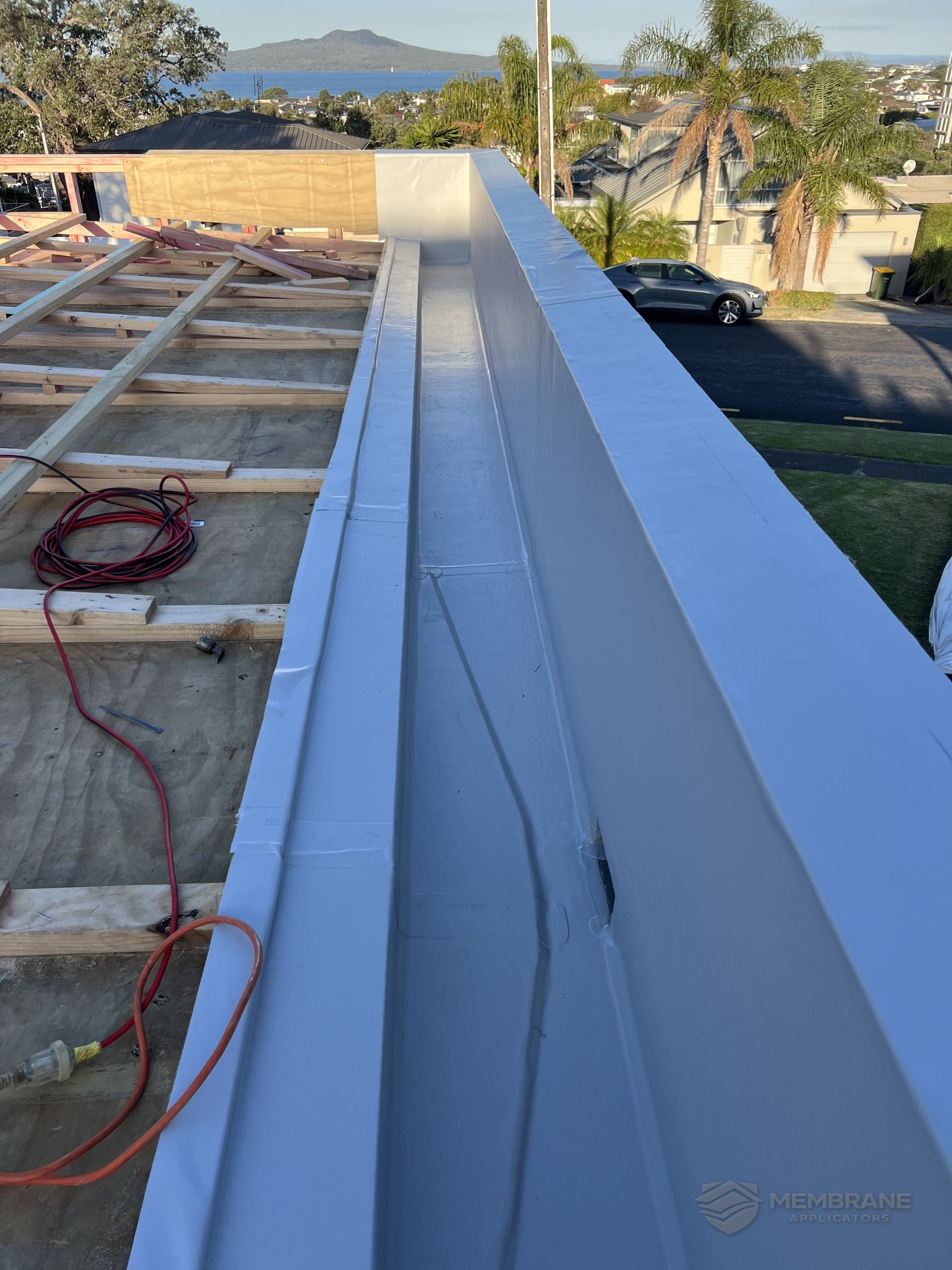
TPO Roofing in Auckland: Best Solutions for the Local Climate
Discover why TPO membrane is the ideal choice for Auckland's unique weather, offering superior UV resistance and durability for flat and low-pitch roofs.
Read more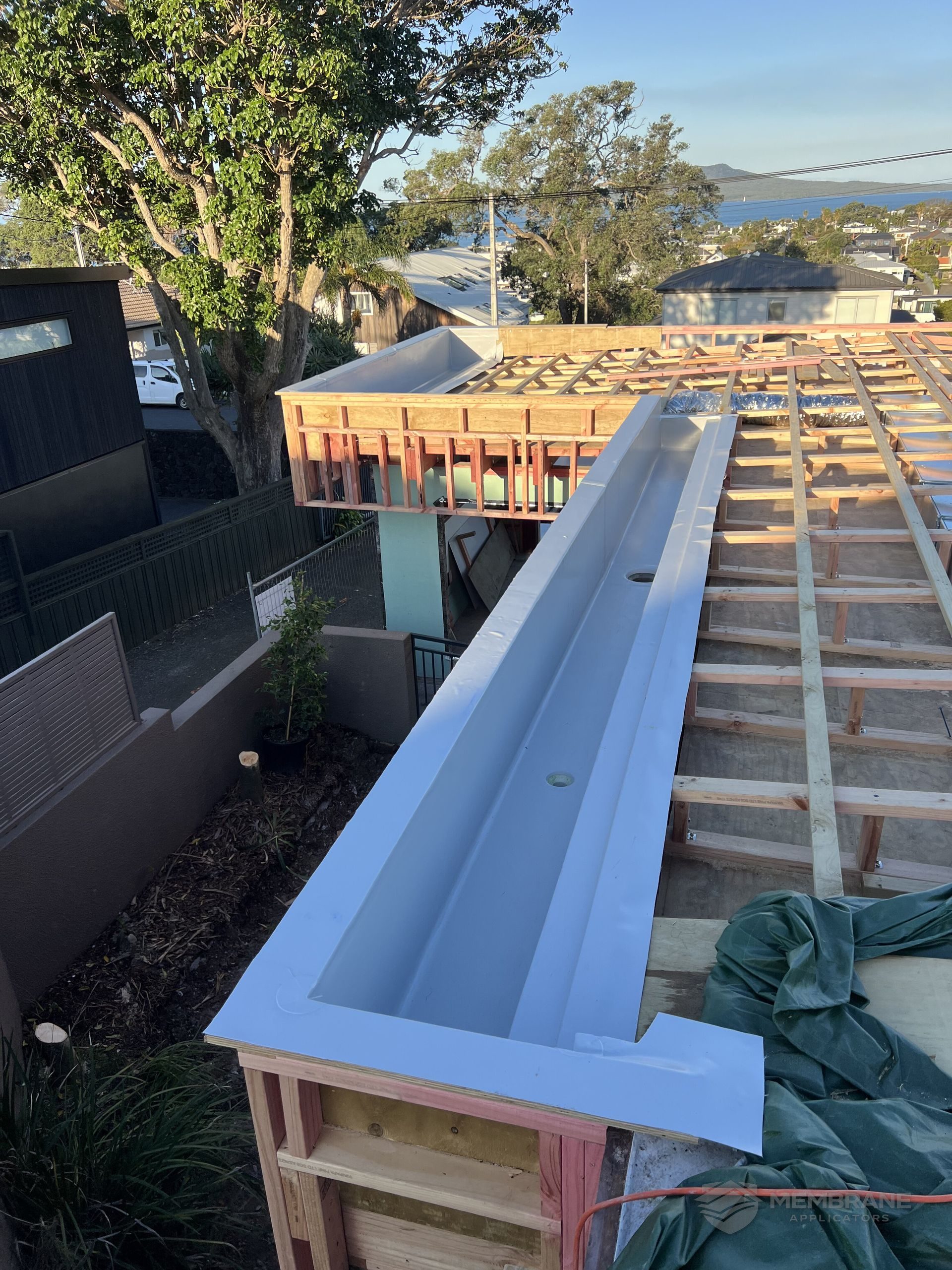
Commercial TPO Roofing: Durable Solutions for Auckland Businesses
TPO membrane roofing offers Auckland commercial property owners a durable, energy-efficient solution for flat roofs, providing exceptional weather resistance and long-term waterproofing performance.
Read more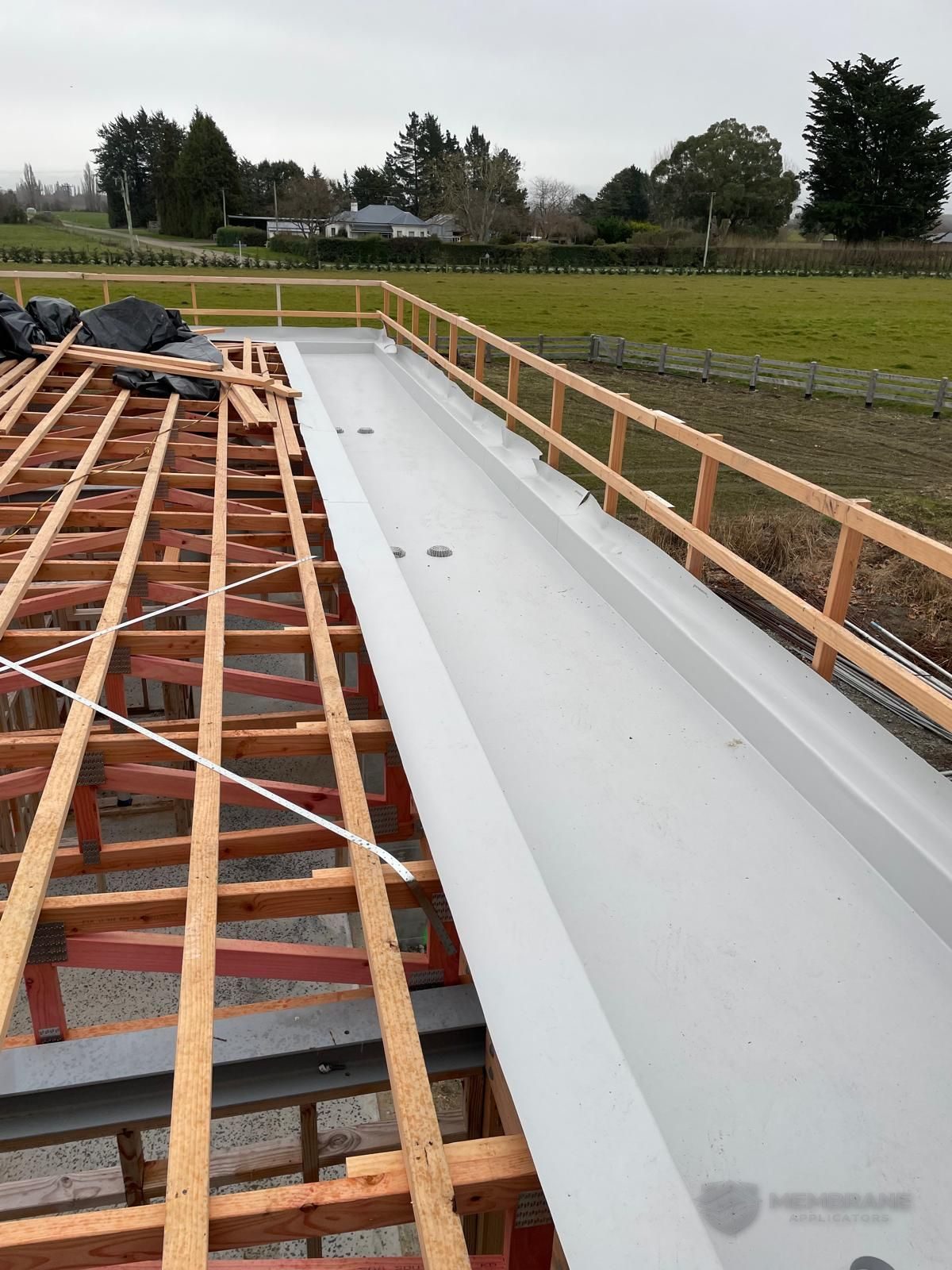
TPO Membrane Repairs: How to Fix Flat Roof Leaks in Auckland
Is your TPO roof showing signs of wear or leaking? Learn the essential steps for TPO membrane repairs and how to maintain your Auckland property's flat roof.
Read more