
TPO Roofing
TPO Warm Roof Insulation: Benefits for Auckland Flat Roofs
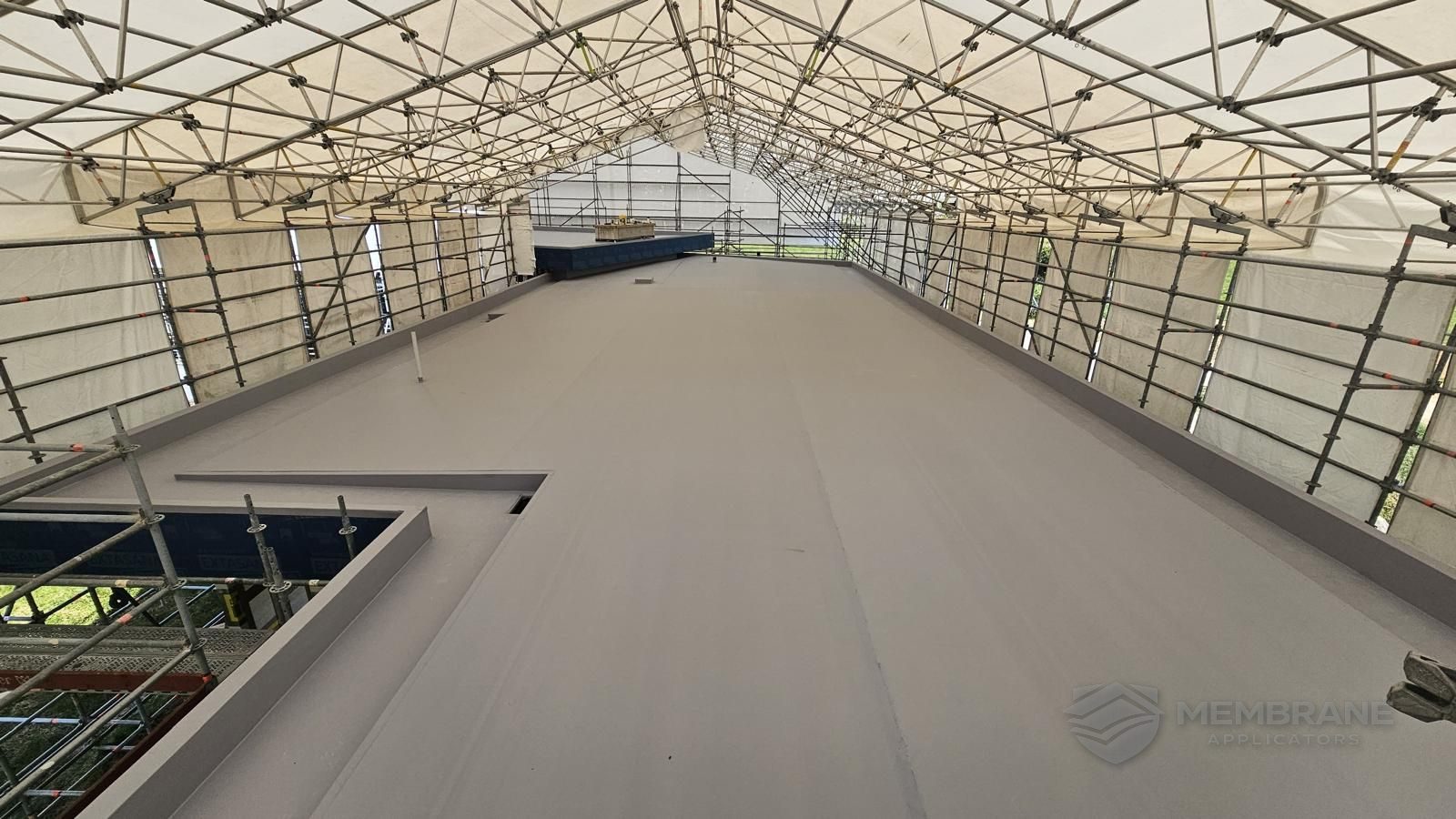
Learn how pairing rigid insulation with a heat-welded TPO membrane creates a warm roof system that helps manage condensation and comfort on Auckland buildings.
Flat and low-slope roofs are popular across Auckland's modern homes, townhouses, and commercial buildings. However, because low-slope structures have limited roof cavity space, managing indoor temperatures and internal moisture can be challenging in a humid coastal climate. A TPO warm roof system addresses both waterproofing and thermal performance in a single integrated assembly.
Understanding how a warm roof works—and how it differs from traditional insulated roof designs—can help Auckland property owners make informed decisions during a new build or roof replacement.
What Is a TPO Warm Roof System?
In a traditional "cold roof" design, insulation sits between the ceiling joists below the roof deck, leaving an unheated air space above it. Even with ventilation, warm, moisture-laden indoor air can migrate upward and meet the cold underside of the roof deck, which in many cases leads to hidden interstitial condensation.
A TPO warm roof reverses this layout by placing the thermal layer above the structural deck:
- Structural roof deck: Typically plywood, concrete, or profiled steel supporting the roof load.
- Vapour control layer: Generally installed directly over the deck to help limit warm indoor moisture from reaching cooler upper layers.
- Rigid insulation boards: High-density rigid foam thermal boards fastened or adhered across the deck.
- TPO waterproofing membrane: A durable, heat-welded thermoplastic polyolefin sheet installed directly over the insulation layer.
Because the structural deck remains on the warm side of the insulation, its temperature stays much closer to the indoor environment. This generally reduces the risk of moisture condensing inside the roof structure.
Why Warm Roofs Suit Auckland's Climate
Auckland weather brings high ambient humidity, frequent winter rain, strong UV levels, and wide daily temperature shifts between cool nights and sunny afternoons. These conditions put both waterproofing membranes and roof cavities under steady stress.
Managing Internal Moisture and Condensation
Buildings with bathrooms, kitchens, retail spaces, or high-occupancy offices generate substantial indoor humidity. In coastal suburbs and damp winter months, keeping the structural deck warm generally helps prevent timber decay, fastener corrosion, and mould growth caused by hidden condensation.
Improving Year-Round Thermal Comfort
Because rigid insulation forms a continuous blanket above the deck, thermal bridging through rafters or purlins is typically reduced. Combined with a light-coloured or white TPO membrane that reflects solar radiation, a warm roof generally helps keep upper-floor rooms cooler during sunny Auckland summers while retaining warmth in winter.
Acoustic Dampening During Heavy Rain
Auckland's sudden downpours can create noticeable noise on uninsulated low-slope roofs, especially over metal decks. Adding dense rigid insulation boards beneath a welded TPO sheet typically softens rain impact noise, making interior spaces quieter and more comfortable.
Key Design Considerations for Property Owners
Transitioning to or specifying a TPO warm roof involves more than adding boards under a membrane. Several practical details affect long-term performance and drainage.
Parapet Heights and Edge Detailing
Adding insulation above the deck raises the finished roof height. It is generally important to check that existing parapets, door thresholds, and upstands still provide adequate clearance above the finished membrane surface. Where clearance is tight, specialist membrane applicators can review perimeter edge details and gutter transitions before work begins.
Drainage Falls and Tapered Insulation
Flat roofs still require positive fall so rainwater flows cleanly to outlets and box gutters. In many cases, tapered insulation boards can be laid to create or improve falls on an existing flat deck, helping reduce ponding water without major structural framing changes.
Compatibility With Penetrations and Skylights
Roof-mounted HVAC units, vents, pipes, and skylights must be carefully detailed around the thicker warm roof build-up. Raising kerbs and forming heat-welded TPO flashings around each penetration helps maintain a continuous waterproof seal across the entire roof plane.
When Should You Consider a Warm Roof Upgrade?
A warm roof assembly is typically easiest to install during new construction or when an ageing membrane roof is already due for full replacement. Signs that it may be worth exploring a warm roof option include:
- Persistent ceiling dampness or staining that points to condensation rather than an obvious exterior leak.
- Overheating in top-storey rooms during summer afternoons despite standard ceiling batts.
- Flat decks with poor drainage that could benefit from tapered insulation falls during a re-roof.
- Older commercial or residential roofs reaching the end of their service life where both thermal and waterproofing upgrades make practical sense.
In many cases, upgrading insulation while replacing a worn-out membrane is far more cost-effective than attempting separate retrofits later.
Working With Specialist Membrane Applicators
Because a warm roof relies on continuous vapour control, secure board attachment, and precise hot-air seam welding, installation quality directly affects how the roof performs over time. Selecting an experienced membrane roofing team familiar with Auckland wind zones and coastal exposure helps ensure every board, fastener, upstand, and welded seam works together as a reliable system.
If you are planning a new flat roof or considering replacing an ageing membrane on your Auckland property, our team can assess your current roof deck, drainage, and insulation options. Book a Roof Inspection or Request a Quote today, or Contact Us to discuss the right TPO roofing approach for your building.
Keep Reading
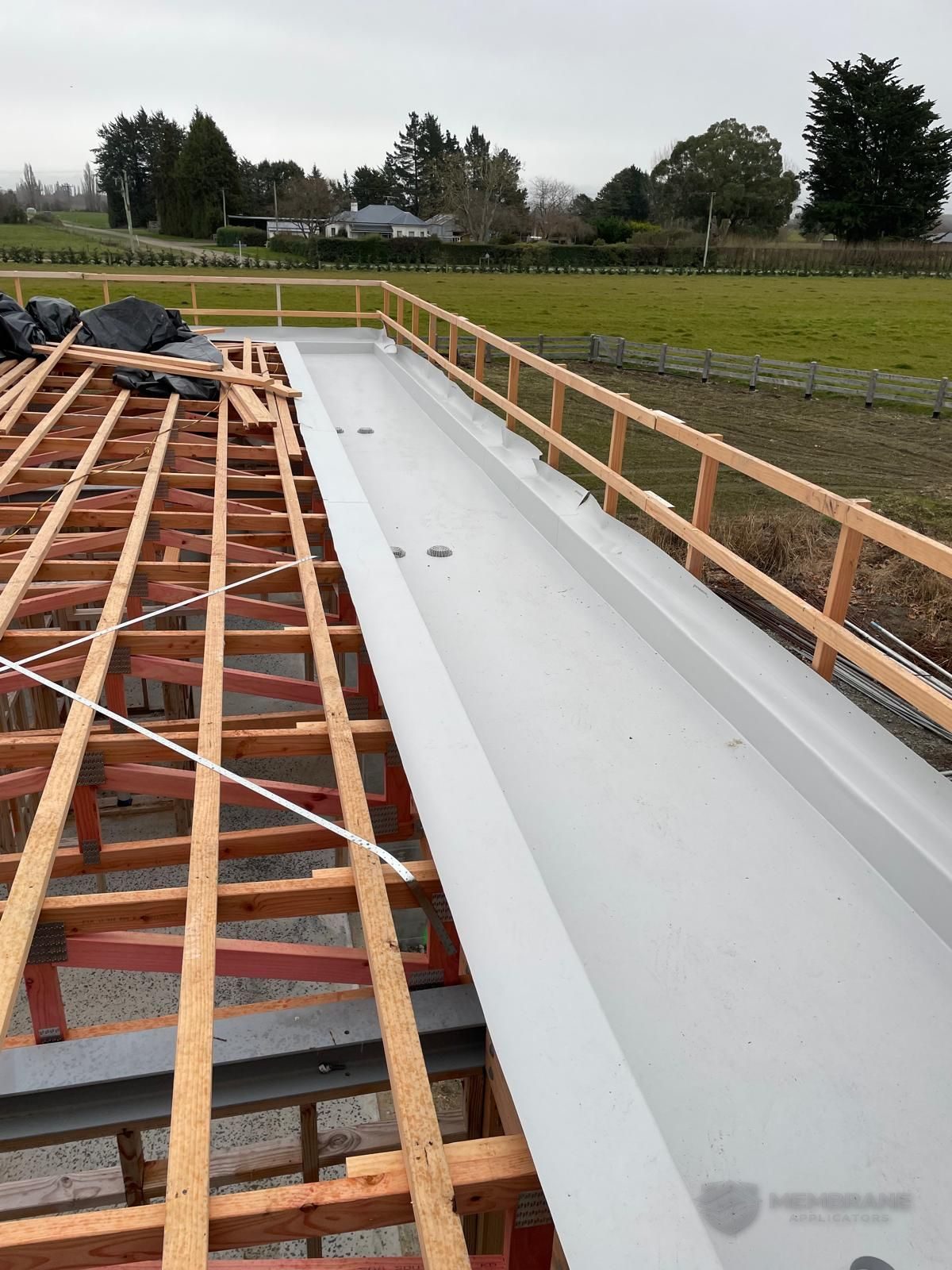
TPO Box Gutters in Auckland: Waterproofing Internal Gutters
Internal and box gutters face heavy rainfall and coastal weather in Auckland. Learn how heat-welded TPO membrane protects these high-risk roof channels from costly leaks.
Read more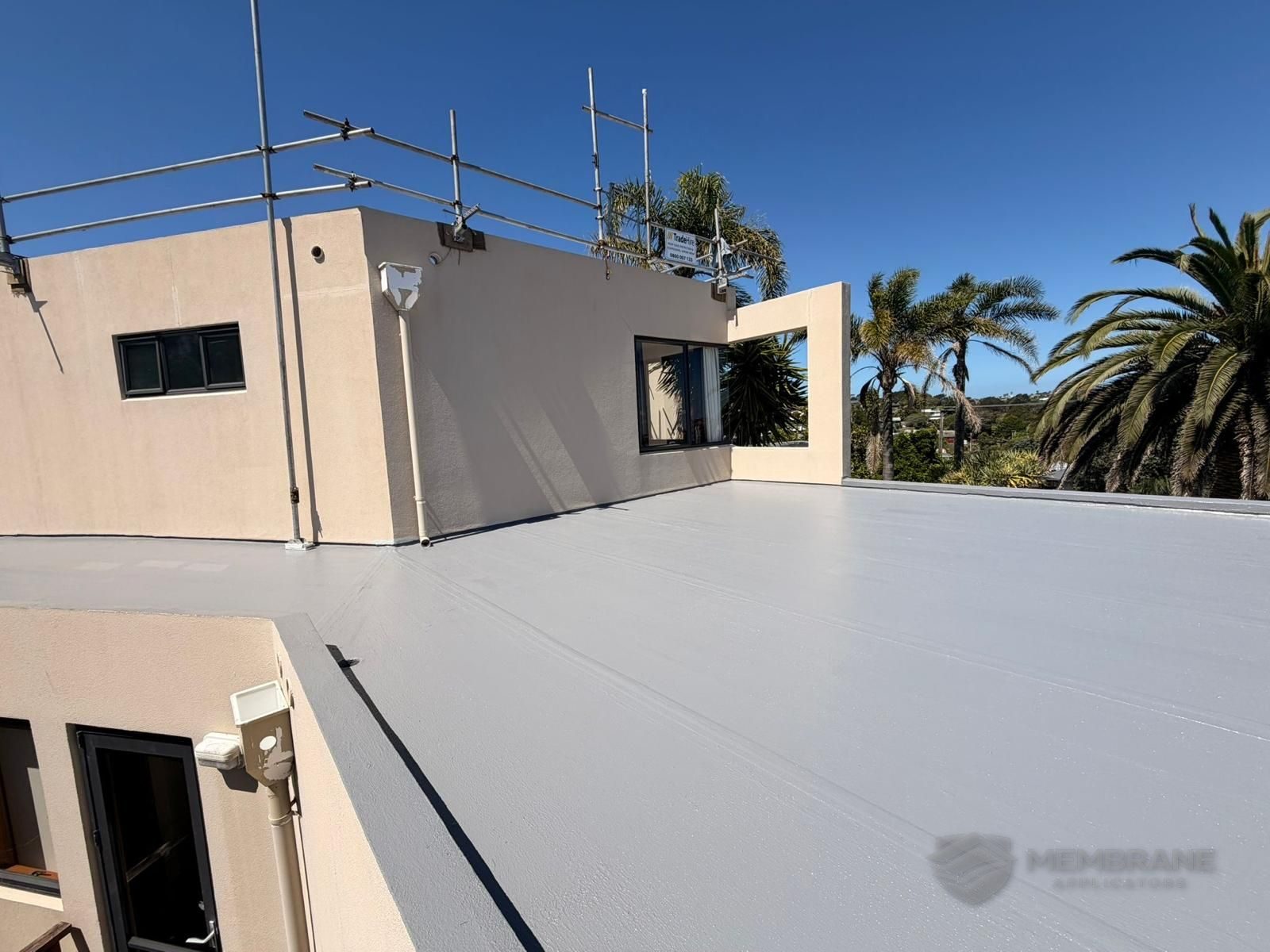
Liquid Membrane Over TPO: Restore or Replace in Auckland?
Wondering whether an ageing TPO roof in Auckland needs replacement or a liquid-applied coating? Learn how property owners weigh roof condition, moisture, and value.
Read more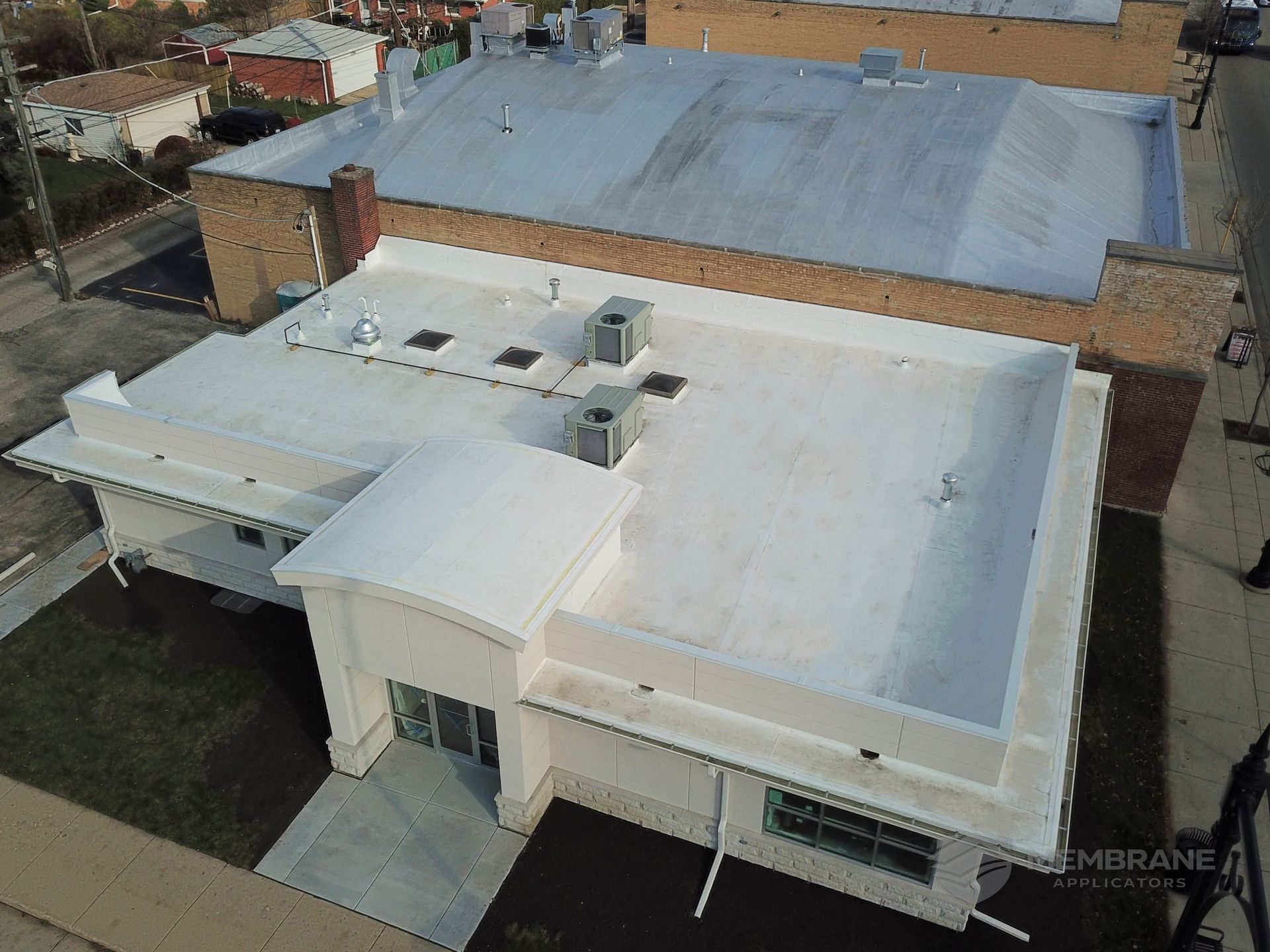
TPO Membrane Seam Welding: Essential for Auckland Roofs
Discover why hot-air seam welding is the gold standard for TPO membrane roofing, ensuring long-term leak prevention and durability for Auckland property owners.
Read more