
TPO Roofing
TPO Box Gutters in Auckland: Waterproofing Internal Gutters
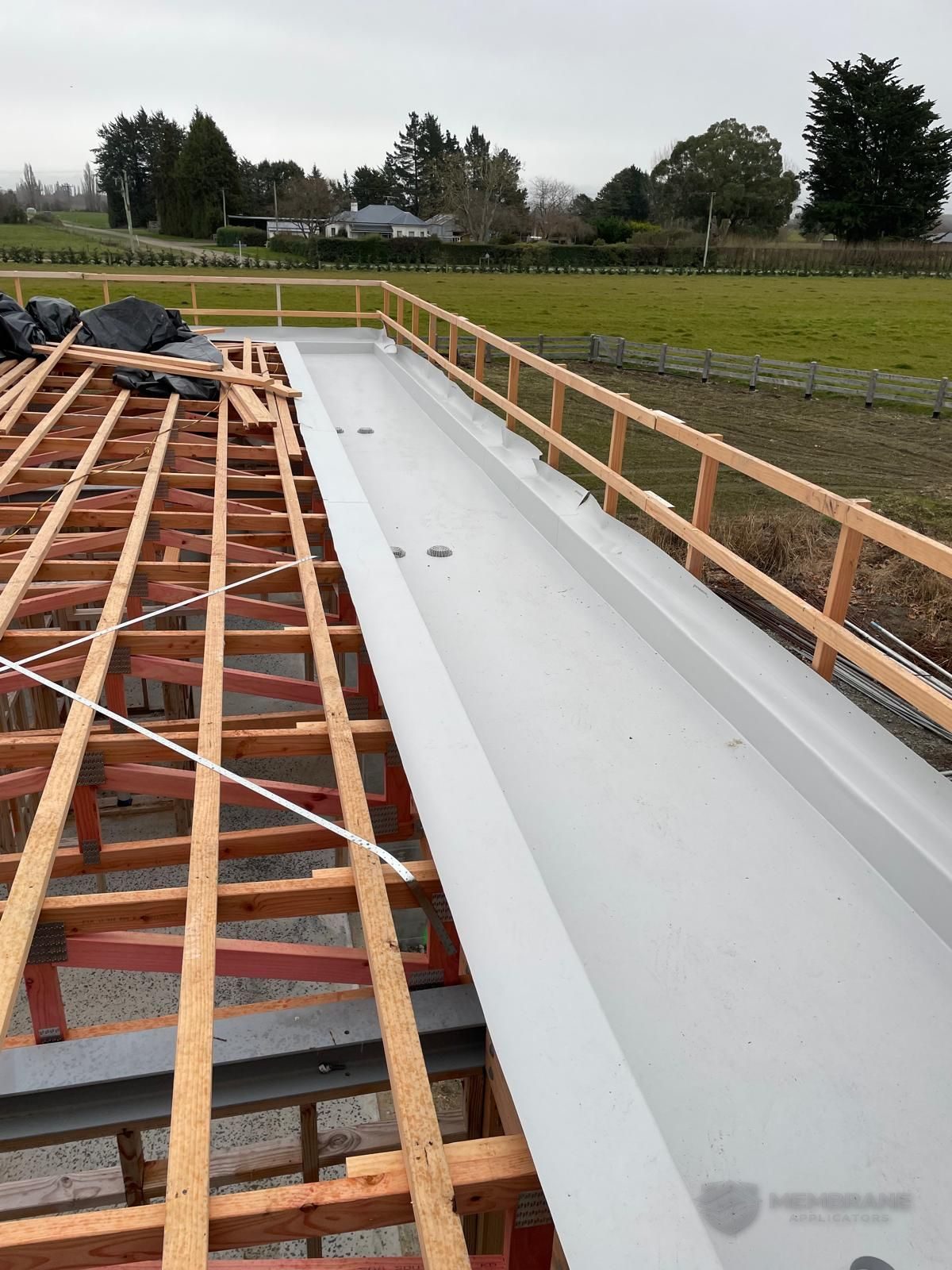
Internal and box gutters face heavy rainfall and coastal weather in Auckland. Learn how heat-welded TPO membrane protects these high-risk roof channels from costly leaks.
Internal gutters and box gutters carry some of the highest water volumes on any flat or low-slope roof. In Auckland, where sudden downpours, wind-driven harbour rain, and coastal salt air test every roofing detail, a failing box gutter can quickly lead to concealed water ingress inside walls and ceilings.
Heat-welded thermoplastic polyolefin (TPO) membrane has become a widely used lining system for box gutters across residential and commercial properties in New Zealand. Understanding how TPO performs in internal gutters—and what details matter most during installation or relining—helps Auckland property owners make informed waterproofing decisions.
Why Box Gutters Are a High-Risk Area on Auckland Roofs
Unlike external eaves gutters that hang outside the building envelope, box gutters and parapet gutters sit inside the roof structure. When an external gutter overflows, water usually spills onto the ground. When an internal gutter backs up or splits, water often tracks directly into soffits, framing cavities, or interior ceilings.
Several local factors place extra stress on Auckland box gutters:
- Intense rainfall events: Heavy bursts of rain can overwhelm narrow channels or blocked outlets in minutes.
- Coastal and harbour exposure: Salt-laden winds around Auckland harbours accelerate corrosion in older metal gutter linings.
- Thermal movement: Flat roofs and gutter substrates expand and contract between cool mornings and hot afternoons, which can fatigue rigid joints or aged seams.
- Debris accumulation: Leaves, pohutukawa flowers, and roof sediment settle in low-gradient channels, trapping moisture against the lining.
Because box gutters sit beneath surrounding roof cladding or behind parapets, early signs of deterioration are easy to miss until staining or dampness appears indoors.
How Heat-Welded TPO Membrane Protects Internal Gutters
TPO is a single-ply thermoplastic waterproofing membrane designed for flat roofs, decks, and internal gutter channels. Rather than relying on adhesives or sealants alone at the joints, installers hot-air weld overlapping TPO sheets together so the seams fuse into a continuous, watertight layer.
For Auckland box gutters, TPO offers several practical advantages:
Continuous Fused Seams
In many traditional gutter systems, soldered metal joints, taped laps, or adhesive seams eventually become the weak point under standing water. Properly welded TPO seams bond at a molecular level, generally providing strong resistance to moisture intrusion along the length of the gutter.
Flexibility Under Movement
Buildings naturally shift and flex with temperature changes and wind loads. TPO membrane typically accommodates moderate structural movement without cracking, making it well suited to long gutter runs and plywood-lined channels.
UV and Coastal Weather Resistance
White or light-coloured TPO reflects solar heat rather than absorbing it, which generally helps limit thermal stress on the membrane and underlying substrate. Because TPO is non-metallic, it does not rust when exposed to coastal spray or damp air.
Clean Integration With Upstands and Outlets
Box gutters rarely consist of a simple straight trough. They include stop-ends, corners, rainwater outlets, sumps, and overflow scuppers. TPO can be detailed and welded cleanly around these transitions using compatible coated metal trims and formed membrane corners.
Key Design and Installation Details That Matter
Even the best membrane relies on sound gutter geometry and careful detailing. When installing or upgrading a TPO box gutter in Auckland, membrane roofing specialists typically assess several critical elements:
- Adequate fall and drainage: Box gutters generally require a consistent slope toward outlets so water clears promptly rather than sitting indefinitely.
- Substrate condition: Plywood or structural boards lining the gutter must be dry and structurally sound before new membrane goes down.
- Sufficient freeboard and upstand height: Membrane should extend high enough up parapet walls and under adjacent roof cladding to prevent wind-driven water from tracking over the top edge.
- Primary outlets and overflows: Well-sized sumps, leaf guards, and dedicated overflow provisions help protect the building if a main downpipe becomes restricted during a storm.
- Clean welded terminations: Transitions where the gutter meets wall flashings, parapet cappings, or adjacent roof membranes need secure termination and watertight detailing.
Relining an Existing Box Gutter vs Full Replacement
Property owners dealing with an ageing butynol, EPDM, torch-on, or corroded metal box gutter often wonder whether the channel can be relined or needs a full strip-out. The right approach generally depends on what is happening beneath the surface.
In many cases, full removal back to framing is necessary when:
- Timber substrate is damp or decayed: Trapping moisture beneath a new membrane can worsen structural damage.
- Fall is inadequate: If the existing gutter sags or ponds heavily, regrading the substrate improves long-term drainage.
- Multiple past patch repairs have failed: Layering new materials over compromised coatings rarely delivers lasting reliability.
When the underlying framing and fall are sound, stripping out the failed lining, verifying dry substrate conditions, and installing a fresh heat-welded TPO gutter lining typically restores reliable watertightness without altering the wider roof layout.
Ongoing Care for TPO Box Gutters
While TPO requires less upkeep than many older coatings, internal gutters should never be treated as fit-and-forget. Simple routine checks make a substantial difference:
- Clear outlets and sumps: Check gutters before Auckland's wetter winter months and after major storms to remove leaves and silt.
- Inspect overflow scuppers: Ensure emergency overflows remain unobstructed so heavy rain always has a safe escape path.
- Check adjacent flashings and sealants: Look at parapet cappings and wall junctions above the gutter line where movement or weather can affect secondary seals.
- Arrange periodic professional checks: Having a membrane roofing specialist inspect welds, outlets, and terminations helps catch minor wear before leaks develop.
Protect Your Auckland Property From Gutter Leaks
A well-detailed TPO box gutter gives your roof dependable protection against Auckland's rain, wind, and coastal conditions. Whether you are planning a new flat roof, upgrading a commercial parapet gutter, or dealing with persistent leaks in an ageing internal channel, getting the lining and drainage details right is essential.
If you would like practical advice on your internal gutters or need an assessment of an existing flat roof, Contact Us today to Book a Roof Inspection or Request a Quote tailored to your property.
Keep Reading
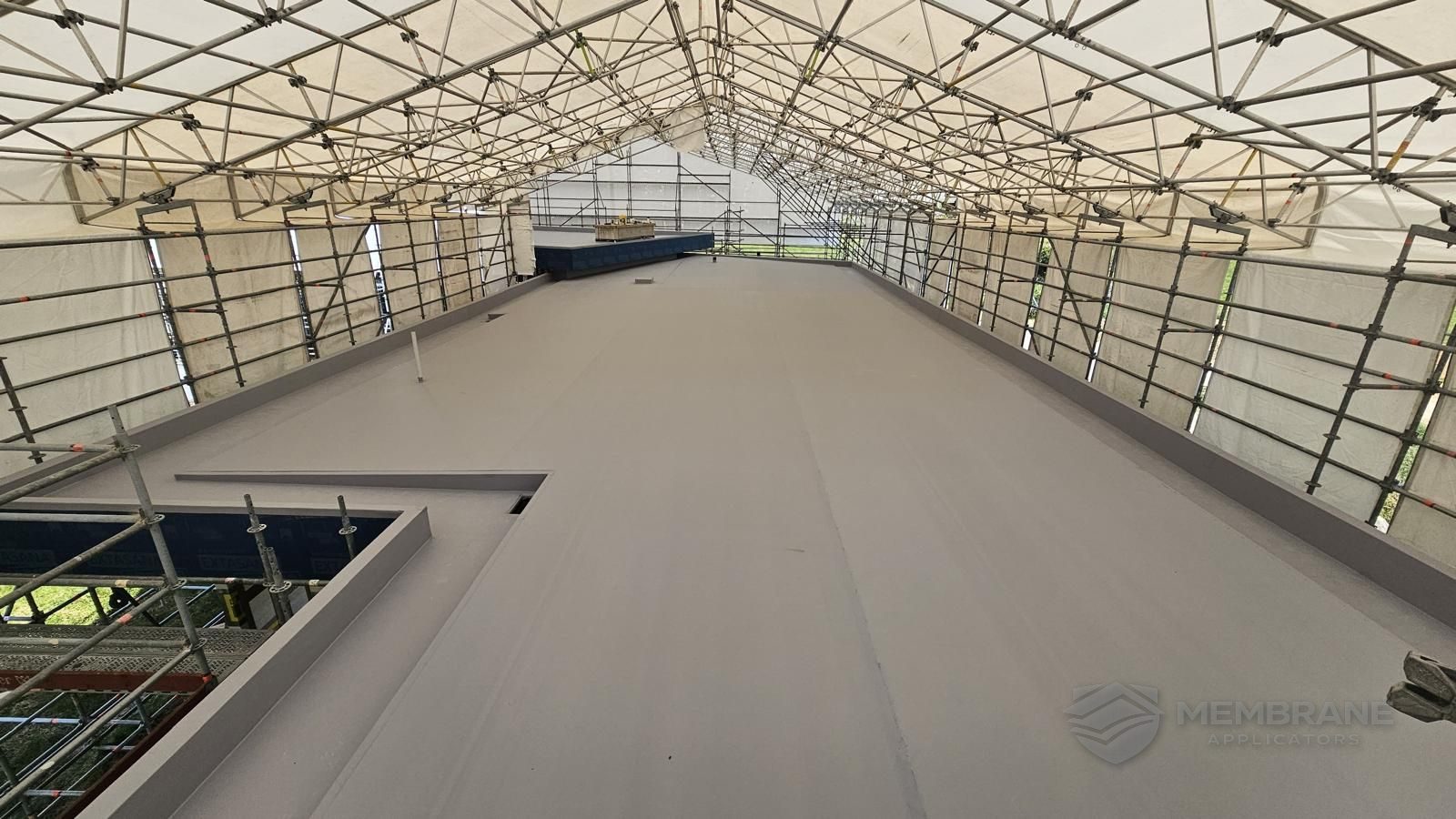
TPO Warm Roof Insulation: Benefits for Auckland Flat Roofs
Learn how pairing rigid insulation with a heat-welded TPO membrane creates a warm roof system that helps manage condensation and comfort on Auckland buildings.
Read more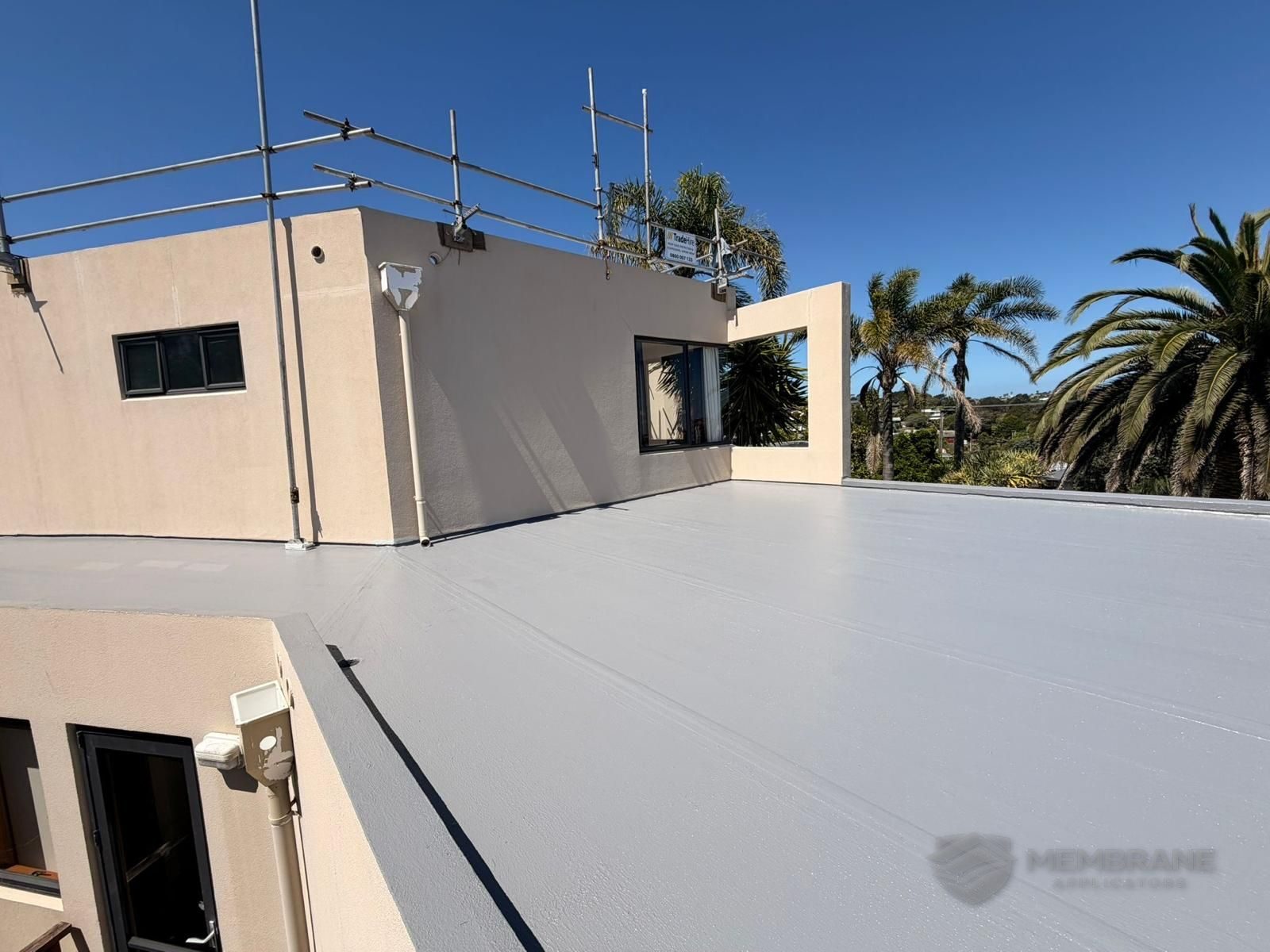
Liquid Membrane Over TPO: Restore or Replace in Auckland?
Wondering whether an ageing TPO roof in Auckland needs replacement or a liquid-applied coating? Learn how property owners weigh roof condition, moisture, and value.
Read more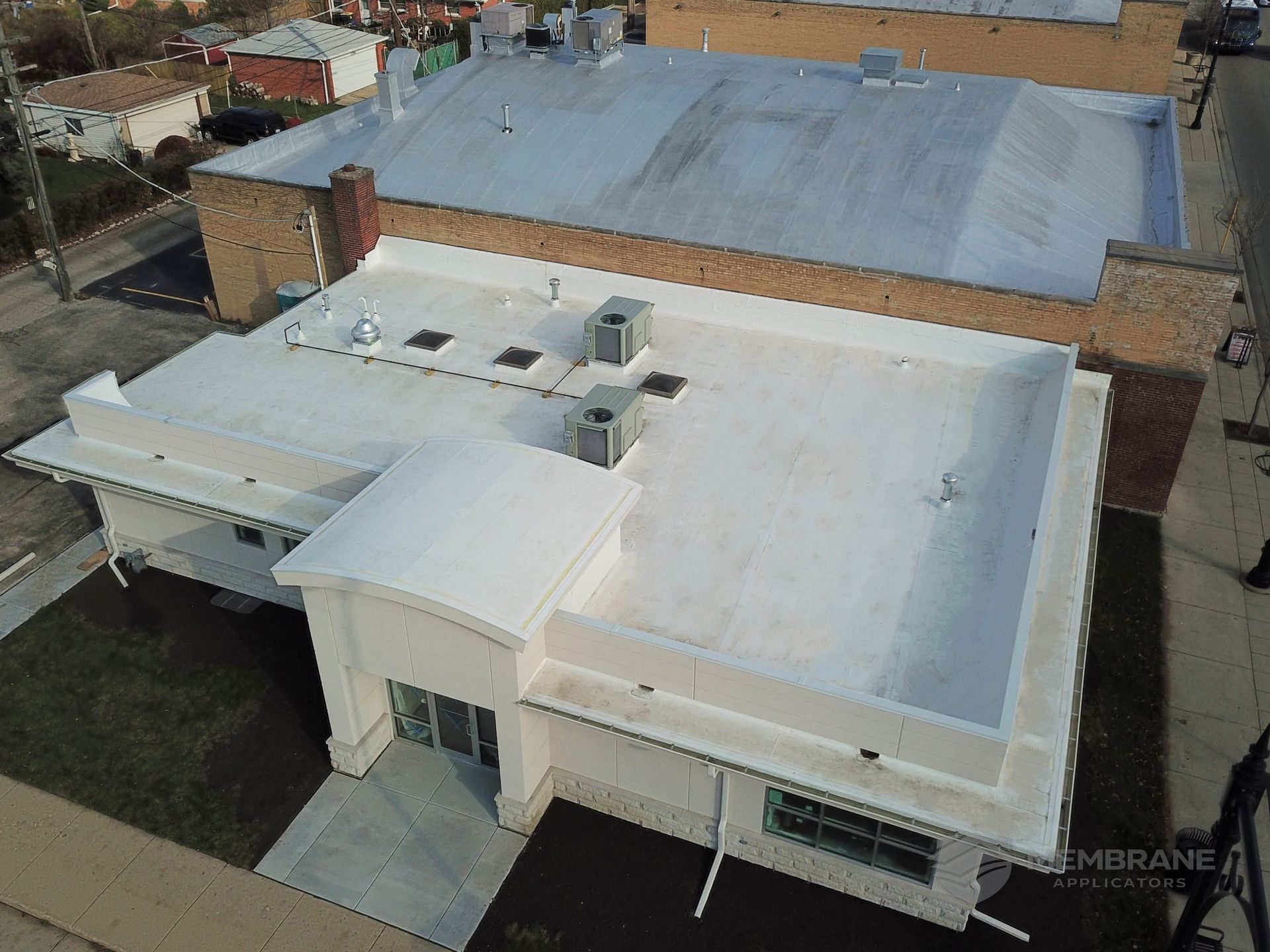
TPO Membrane Seam Welding: Essential for Auckland Roofs
Discover why hot-air seam welding is the gold standard for TPO membrane roofing, ensuring long-term leak prevention and durability for Auckland property owners.
Read more