
TPO Roofing
Liquid Membrane Over TPO: Restore or Replace in Auckland?
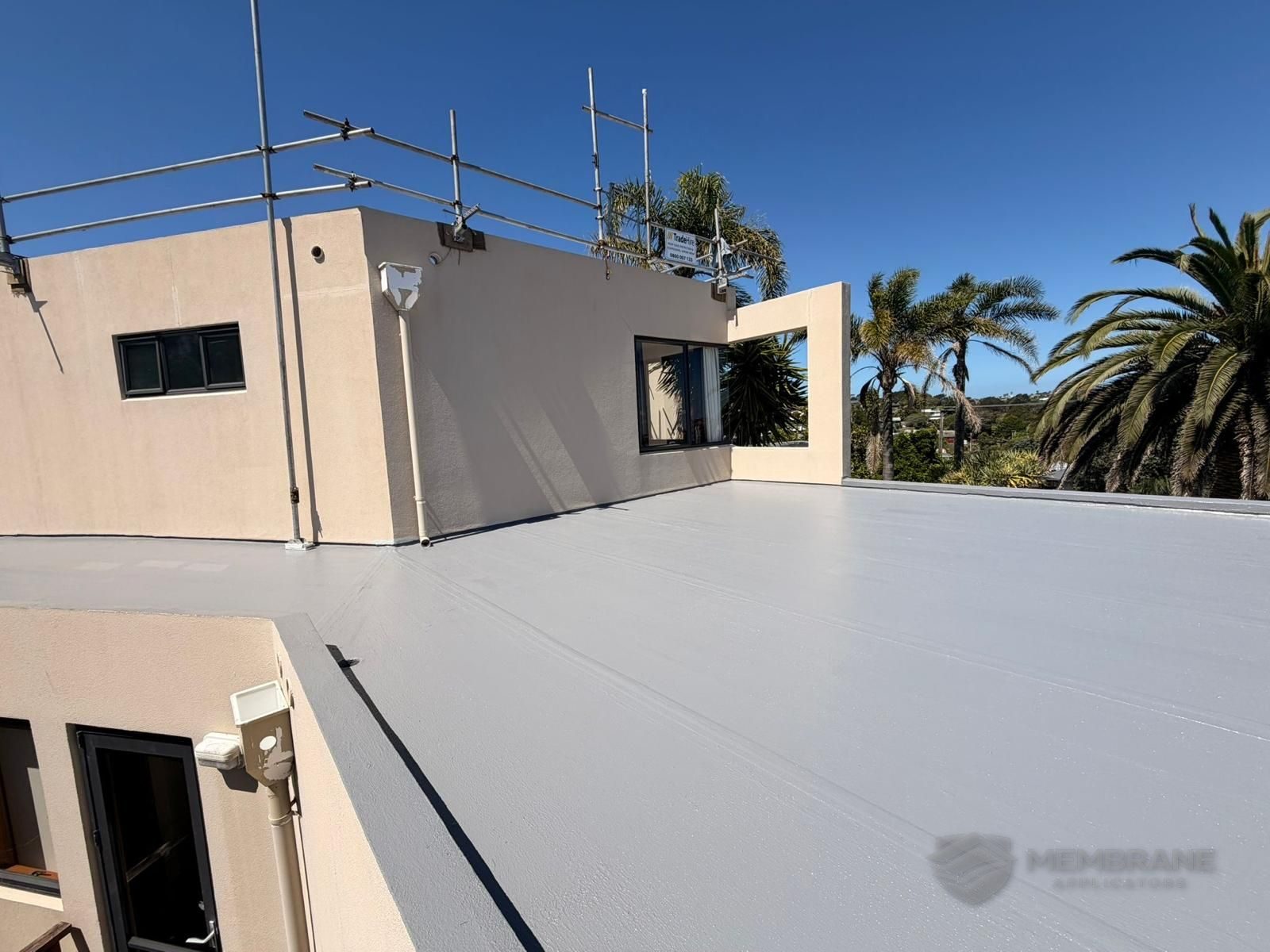
Wondering whether an ageing TPO roof in Auckland needs replacement or a liquid-applied coating? Learn how property owners weigh roof condition, moisture, and value.
Why Auckland Property Owners Consider Liquid Coatings Over TPO
Across Auckland, flat and low-slope roofs work hard year-round. Intense summer UV radiation, coastal wind-driven rain, and humid conditions gradually weather any waterproofing surface. When an existing thermoplastic polyolefin (TPO) roof starts showing surface chalking, minor seam fatigue, or isolated wear, property owners often face a practical decision: restore the surface with a compatible liquid-applied waterproofing membrane, or commit to a full tear-off and replacement.
In many cases, applying a liquid membrane system over an existing TPO sheet can extend the functional service life of a sound roof without the disruption of stripping the entire assembly. However, an overlay is not suitable for every roof. Understanding when a restoration coating makes sense—and when full replacement is the smarter investment—helps Auckland homeowners, body corporates, and commercial landlords avoid costly missteps.
How Liquid-Applied Waterproofing Over TPO Works
A liquid-applied restoration system generally involves thoroughly preparing the existing TPO sheet and applying a primer and elastomeric waterproofing coating that cures into a seamless, monolithic barrier. Because TPO is a non-porous, low-surface-energy thermoplastic, adhesion requires careful surface preparation and a system specifically formulated for TPO compatibility.
Typical Stages of a TPO Liquid Overlay
While exact specifications vary by product system and roof condition, a restoration project typically includes:
- Detailed inspection and moisture check: Assessing whether the underlying insulation, substrate, and timber or concrete deck are dry and structurally sound.
- Deep cleaning and degreasing: Removing lichen, atmospheric grime, chalked surface layers, and salt deposits common around Auckland's harbours and coastal suburbs.
- Targeted TPO repairs: Re-welding or patching any lifted seams, blisters, splits, or damaged flashings around penetrations, skylights, and parapet upstands before coating.
- Priming for adhesion: Applying a specialised bonding primer designed to key onto aged TPO membrane surfaces.
- Multi-coat liquid membrane application: Rolling or spraying base and top coats—often with fabric reinforcement along transitions, box gutters, and joints—to achieve an even, UV-stable finish.
When Restoration Makes Sense vs. Full Replacement
Choosing between coating over an existing TPO roof and installing a new membrane comes down to what is happening beneath the surface, not just how the top sheet looks.
Signs a Liquid Coating May Be Suitable
A liquid restoration over TPO is generally worth considering when:
- The substrate is dry: Moisture testing or core checks indicate water has not saturated the insulation board or damaged the roof deck.
- The existing membrane is well-adhered: There is minimal widespread delamination, severe shrinkage, or structural movement.
- Issues are mostly surface-level: Wear is limited to early weathering, minor crazing, or isolated detail areas that can be repaired prior to coating.
- Minimal disruption is a priority: Commercial premises, warehouses, and occupied homes in Auckland often benefit from avoiding noisy tear-offs and weather-exposure risks during multi-day stripping.
Signs Full TPO Replacement Is Better
On the other hand, coating over a failing assembly generally only masks deeper problems. Full replacement is typically recommended when:
- Trapped moisture is present: Wet insulation or rotting timber framing will continue to deteriorate beneath a new coating and can cause blistering.
- Drainage and falls are inadequate: If severe ponding water is caused by structural sag or poor roof geometry, a thin liquid coating will not fix the underlying fall.
- The TPO sheet is brittle or extensively split: Membranes nearing the end of their structural integrity or pulling away from perimeter terminations usually cannot provide a reliable base.
- Previous incompatible patch jobs complicate adhesion: Layers of mismatched mastics, bitumen products, or peeling paints can prevent proper bonding unless completely stripped.
Key Decision Factors for Auckland Flat Roofs
Before committing to either path, property owners in Auckland should weigh several practical factors beyond upfront cost.
Adhesion and System Compatibility
Not every liquid waterproofing product adheres reliably to TPO. Because fresh and weathered TPO surfaces behave differently, surface testing and strict adherence to compatible primers and reinforcement tapes are essential. Shortcuts in cleaning or priming are a common reason overlays peel prematurely.
Box Gutters, Upstands, and Penetrations
Most leaks on Auckland flat roofs occur at junctions rather than out in the open field of the roof. Internal box gutters, air-conditioning penetrations, vent pipes, and parapet upstands experience constant thermal movement and heavy downpours. Any restoration plan should pay close attention to reinforcing these critical zones—or upgrading flashing details where older work falls short.
Solar Reflectivity and Thermal Comfort
White or light-coloured liquid topcoats typically restore high solar reflectance to a weathered, darkened roof. For Auckland commercial buildings and sunny upper-storey living spaces, maintaining a reflective surface can help moderate roof-surface temperatures during peak summer months and reduce thermal stress on the waterproofing assembly.
Long-Term Lifecycle Planning
Even when a liquid overlay has a lower initial outlay than stripping and re-sheeting, it is worth comparing expected service intervals and future maintenance needs. A full TPO replacement resets the entire roof assembly—substrate, insulation, and welded seams—whereas a restoration relies on the condition of the existing layers beneath it.
Next Steps Before Making a Decision
Because visual checks from the ground rarely reveal whether moisture is trapped under a membrane or whether the existing TPO surface will accept a primer cleanly, the safest first step is an on-roof assessment. A thorough evaluation looks at seam integrity, box gutter lining, upstand terminations, and substrate dryness so you can compare restoration and replacement options with clear facts.
If your Auckland home or commercial building has an ageing TPO flat roof, Book a Roof Inspection with our team to determine whether a liquid-applied restoration or a new TPO installation offers the best long-term protection. You can also Request a Quote or Contact Us to discuss your roof's condition and plan the right approach before Auckland's next heavy rain event.
Keep Reading
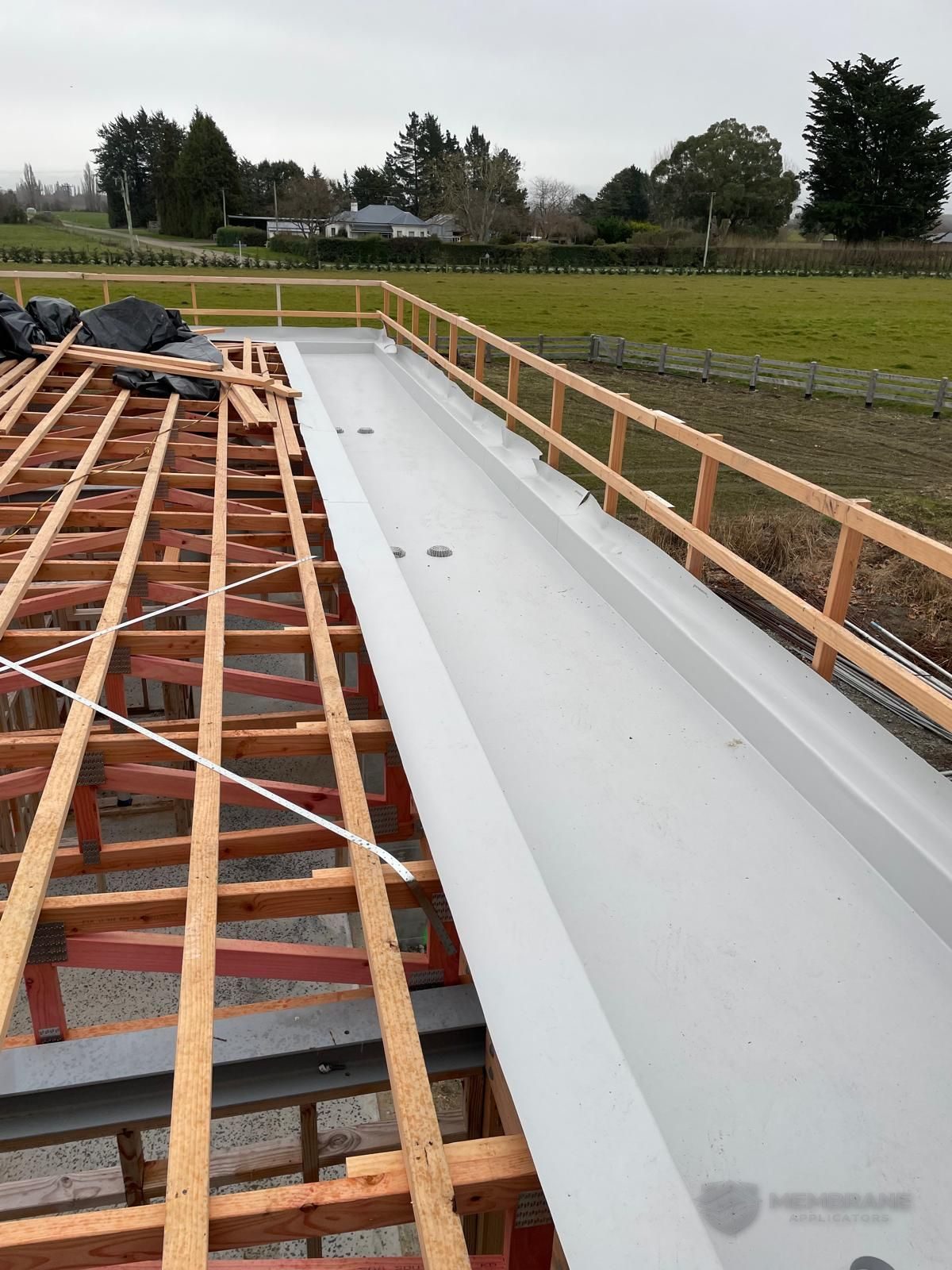
TPO Box Gutters in Auckland: Waterproofing Internal Gutters
Internal and box gutters face heavy rainfall and coastal weather in Auckland. Learn how heat-welded TPO membrane protects these high-risk roof channels from costly leaks.
Read more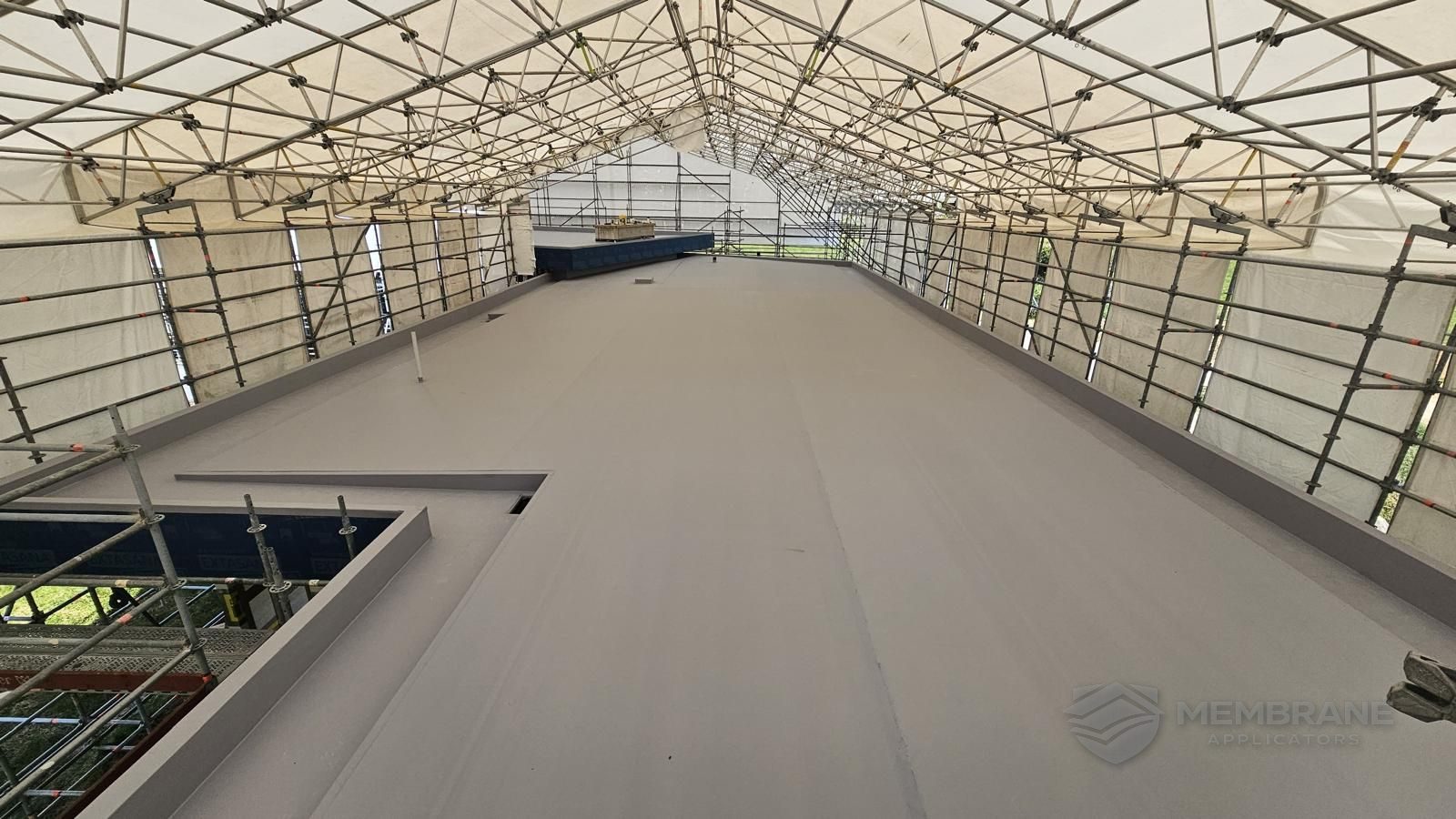
TPO Warm Roof Insulation: Benefits for Auckland Flat Roofs
Learn how pairing rigid insulation with a heat-welded TPO membrane creates a warm roof system that helps manage condensation and comfort on Auckland buildings.
Read more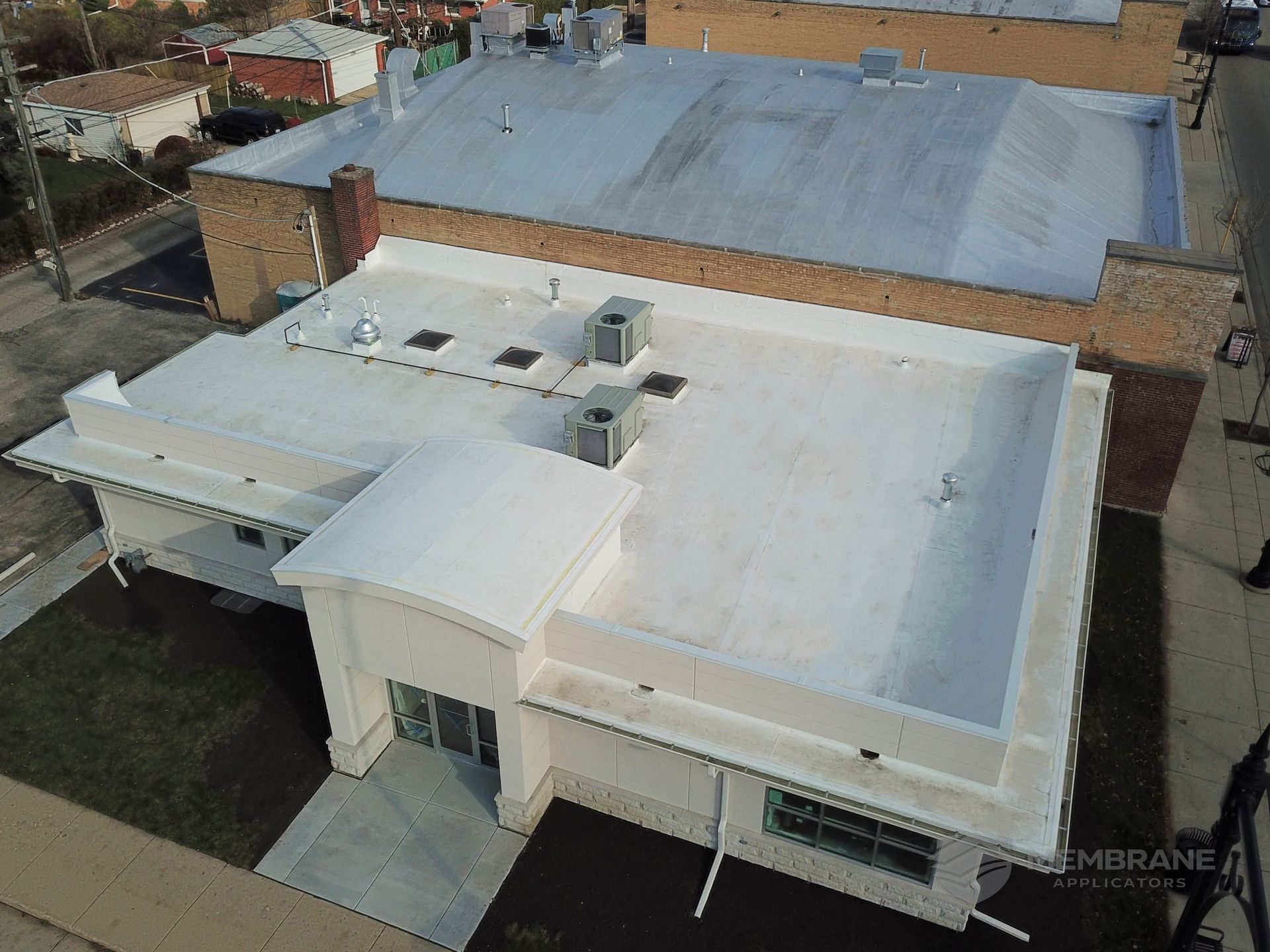
TPO Membrane Seam Welding: Essential for Auckland Roofs
Discover why hot-air seam welding is the gold standard for TPO membrane roofing, ensuring long-term leak prevention and durability for Auckland property owners.
Read more