
TPO Roofing
TPO Membrane Seam Welding: Essential for Auckland Roofs
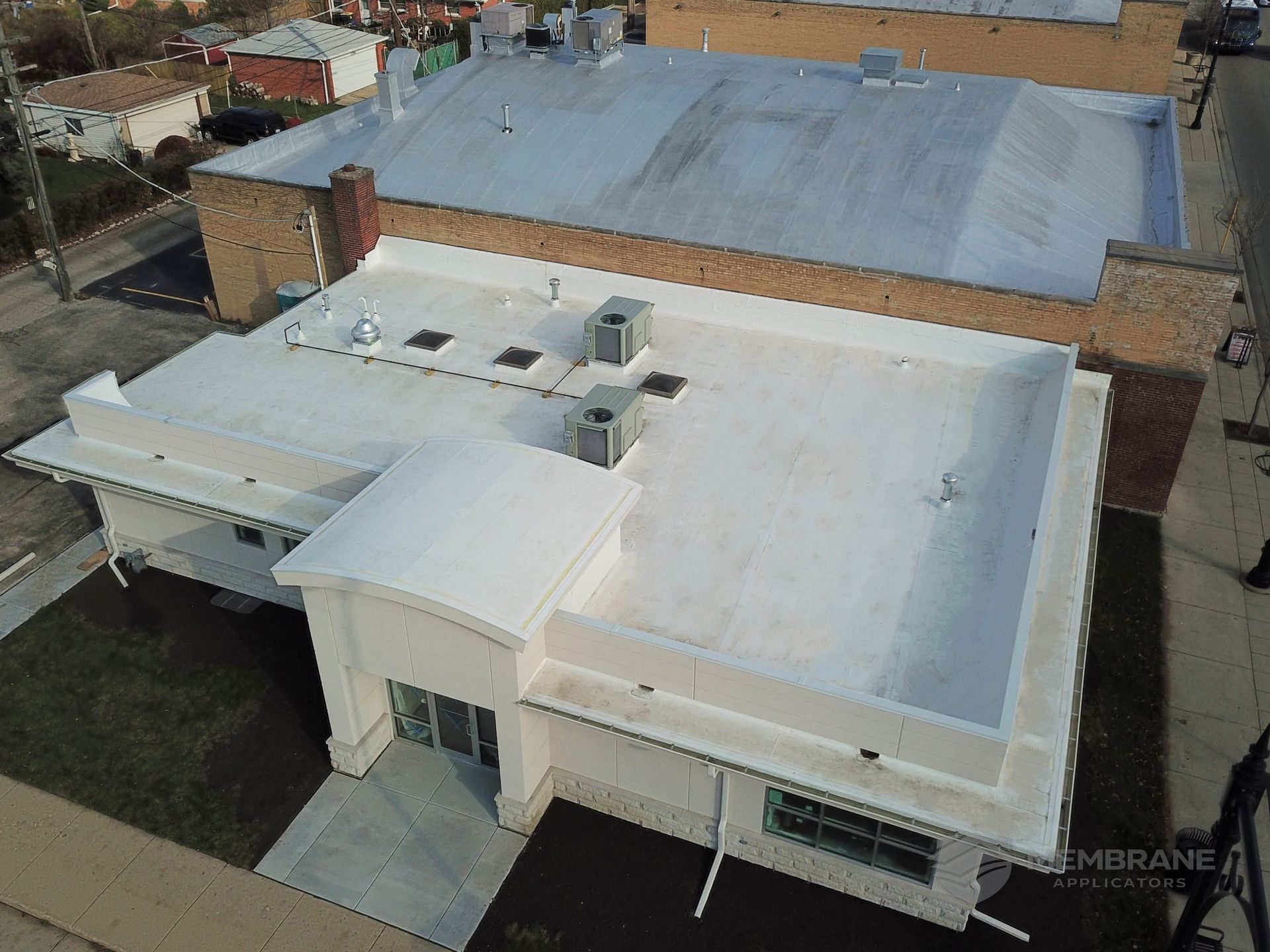
Discover why hot-air seam welding is the gold standard for TPO membrane roofing, ensuring long-term leak prevention and durability for Auckland property owners.
Why Seam Welding is the Foundation of a Watertight TPO Roof
When it comes to flat roofing in Auckland, the performance of the entire system often hinges on a single factor: the integrity of the seams. Thermoplastic Polyolefin (TPO) has become a leading choice for both residential and commercial properties across New Zealand, and for good reason. Unlike traditional roofing materials that rely on adhesives or tapes, TPO membrane sections are joined using advanced hot-air welding technology. This process creates a monolithic, waterproof barrier that typically outperforms and outlasts alternative methods.
In our unique Auckland climate—where we experience high UV intensity, sudden heavy rain, and coastal salt spray—the strength of these seams is non-negotiable. A properly welded TPO seam is generally stronger than the membrane itself, providing peace of mind to property owners who want to avoid the common pitfalls of flat roof leaks.
The Science Behind Hot-Air Seam Welding
Hot-air welding is a precise technical process. It involves using specialized equipment to heat the overlapping edges of two TPO sheets to a point where the material becomes semi-liquid. As the material softens, a weighted roller is used to press the layers together. This doesn't just stick the sheets together; it fuses them at a molecular level.
In many cases, once the seam has cooled, it becomes a permanent bond. If you were to attempt to pull the sheets apart, the membrane itself would likely tear before the weld failed. This is a significant advantage over glued systems, where the adhesive can dry out, become brittle, or lose its bond over time due to Auckland’s fluctuating temperatures and humidity levels.
Why Auckland Property Owners Prefer Welded Seams
Flat roofs in Auckland face specific challenges. The city's geography means many buildings are exposed to strong winds and significant thermal expansion and contraction. TPO membranes are designed to remain flexible, but that flexibility must be matched by the strength of the joints.
- Thermal Movement Resistance: As the sun hits a flat roof in the middle of a New Zealand summer, the material expands. When a cold front moves in, it contracts. Welded seams are generally more resilient to this constant movement compared to taped joints, which can experience 'creep' or separation.
- UV and Ozone Durability: TPO is engineered to resist UV degradation, a critical feature given our thin ozone layer. Because the seams are made of the same material as the membrane, they share this inherent durability.
- Ponding Water Performance: While every effort is made to ensure proper drainage, flat roofs can occasionally experience temporary ponding after a heavy downpour. A welded seam typically provides a much higher level of security against water ingress in these areas compared to mechanical or adhesive-based seals.
The Importance of Professional Application
While the technology behind TPO is impressive, the quality of the installation is paramount. Seam welding requires precise control of temperature, speed, and pressure. If the air is too hot, the membrane can burn; if it’s too cold, the bond won't be sufficient.
Experienced applicators in Auckland generally perform a 'peel test' at the start of every session. This involves welding a small scrap piece and then attempting to pull it apart once cooled to verify that the equipment is calibrated correctly for the current day's ambient temperature and wind conditions. This level of detail is what separates a long-lasting roof from one that might require early maintenance.
Maintaining Your TPO Roof in Auckland
Although TPO seams are incredibly durable, regular inspections are still recommended. In Auckland, organic matter like leaves from nearby trees or dust from construction can accumulate in gutters and around roof penetrations. If left unchecked, this can lead to drainage issues that put unnecessary stress on the roofing system.
Property owners should generally schedule a professional roof inspection at least once a year. During these visits, an applicator can check the integrity of the seams, especially around complex areas like internal gutters, skylights, and air conditioning units. Finding a small issue early is always more cost-effective than dealing with a leak after it has reached the building’s interior.
Comparing TPO to Traditional Methods
For many years, Butynol and other rubber-based membranes were the standard for Auckland flat roofs. While these materials have served the industry well, the shift toward TPO has been driven largely by the superiority of the welded seam. Adhesives used in older systems are often the first point of failure. By eliminating the reliance on glue, TPO systems typically offer a more predictable and longer service life.
Furthermore, TPO is often a more environmentally friendly choice. The material is fully recyclable, and its light-colored surface can help reflect heat, potentially reducing energy costs for Auckland buildings during the warmer months.
Conclusion: A Long-Term Investment for Your Home
Choosing a TPO membrane for your Auckland property is an investment in durability and technology. The hot-air welded seams provide a level of protection that traditional roofing methods simply cannot match. Whether you are building a new modern home or refurbishing a commercial warehouse, the focus should always be on the quality of the seams.
By selecting a high-quality TPO system and ensuring it is installed by professionals who understand the nuances of seam welding, you can protect your property from the elements for decades to come.
If you have concerns about your current flat roof or are planning a new project, we are here to help. Our team specializes in the application of TPO membranes across the Auckland region, focusing on the technical details that matter most.
Contact Us today to discuss your roofing needs or Book a Roof Inspection to ensure your property remains watertight.
Summary of TPO Welding Benefits
- Superior Strength: Joints are stronger than the membrane itself.
- Auckland-Ready: Built to withstand local UV and rain conditions.
- No Glue Needed: Molecular fusion eliminates adhesive failure risks.
- Long-Term Reliability: Generally offers a longer service life than taped systems.
- Flexible Application: Ideal for complex roof shapes and penetrations.
Keep Reading
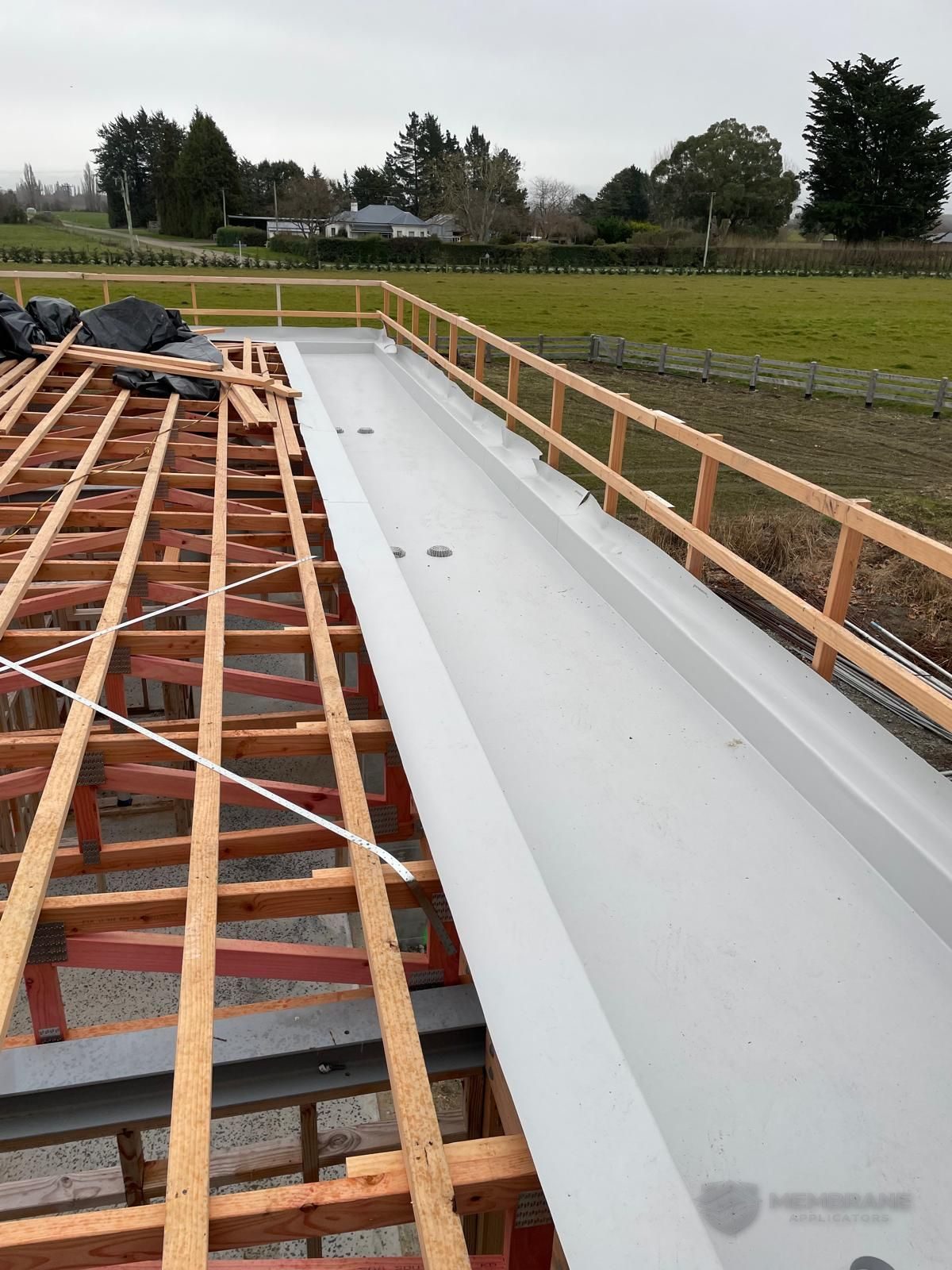
TPO Box Gutters in Auckland: Waterproofing Internal Gutters
Internal and box gutters face heavy rainfall and coastal weather in Auckland. Learn how heat-welded TPO membrane protects these high-risk roof channels from costly leaks.
Read more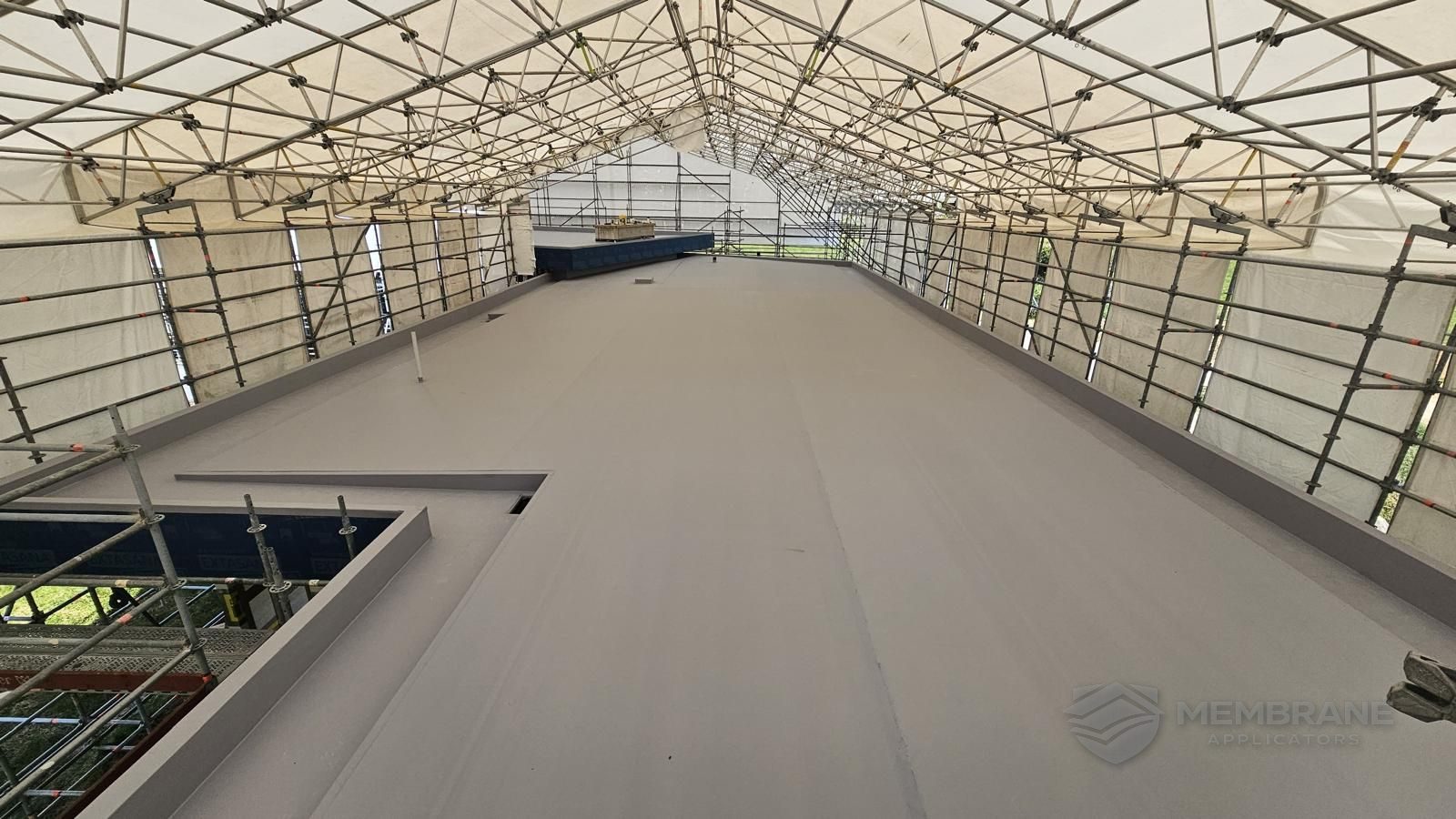
TPO Warm Roof Insulation: Benefits for Auckland Flat Roofs
Learn how pairing rigid insulation with a heat-welded TPO membrane creates a warm roof system that helps manage condensation and comfort on Auckland buildings.
Read more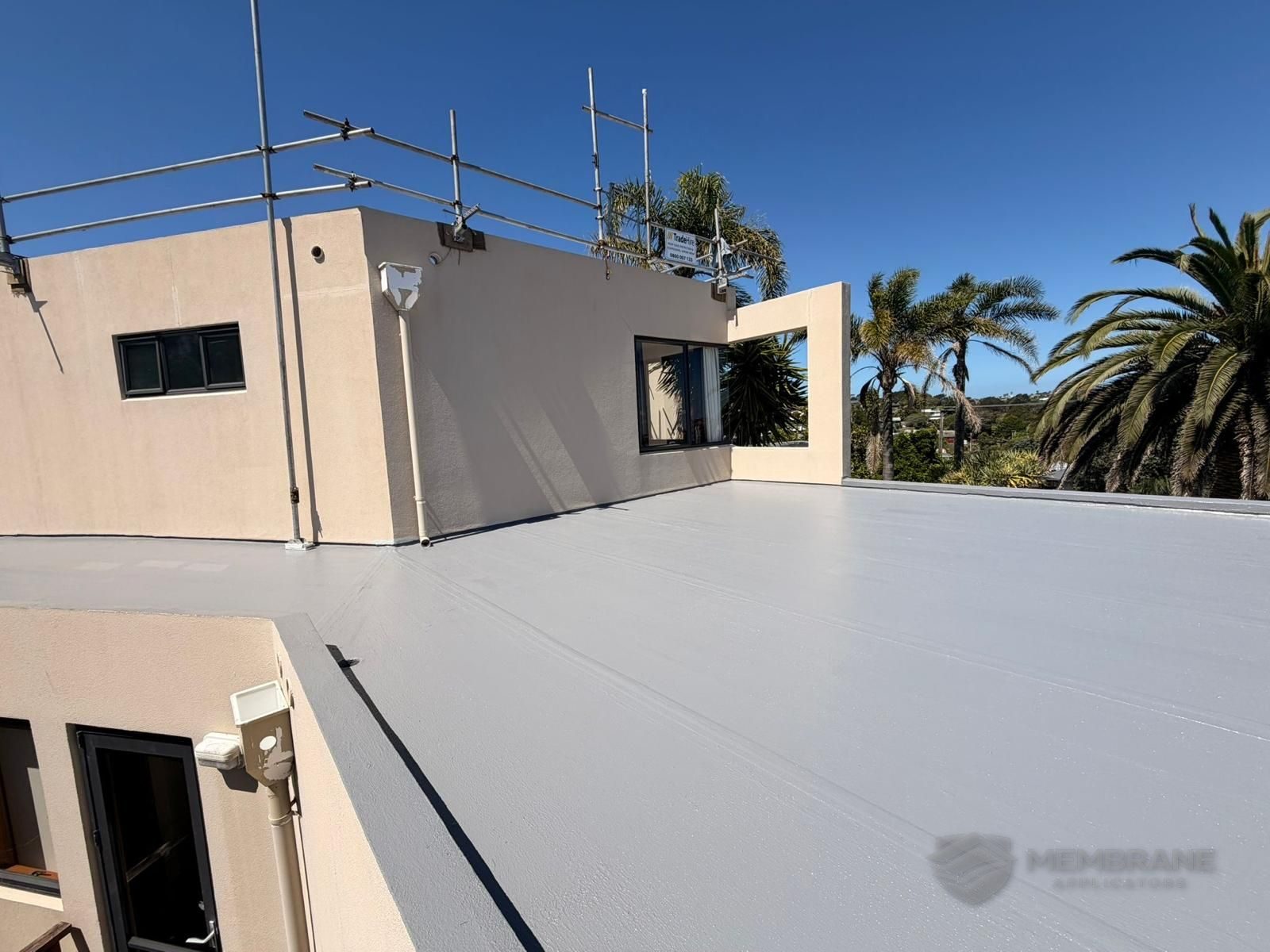
Liquid Membrane Over TPO: Restore or Replace in Auckland?
Wondering whether an ageing TPO roof in Auckland needs replacement or a liquid-applied coating? Learn how property owners weigh roof condition, moisture, and value.
Read more