
TPO Roofing
TPO vs. Metal Roofing: Which is Best for Auckland Flat Roofs?
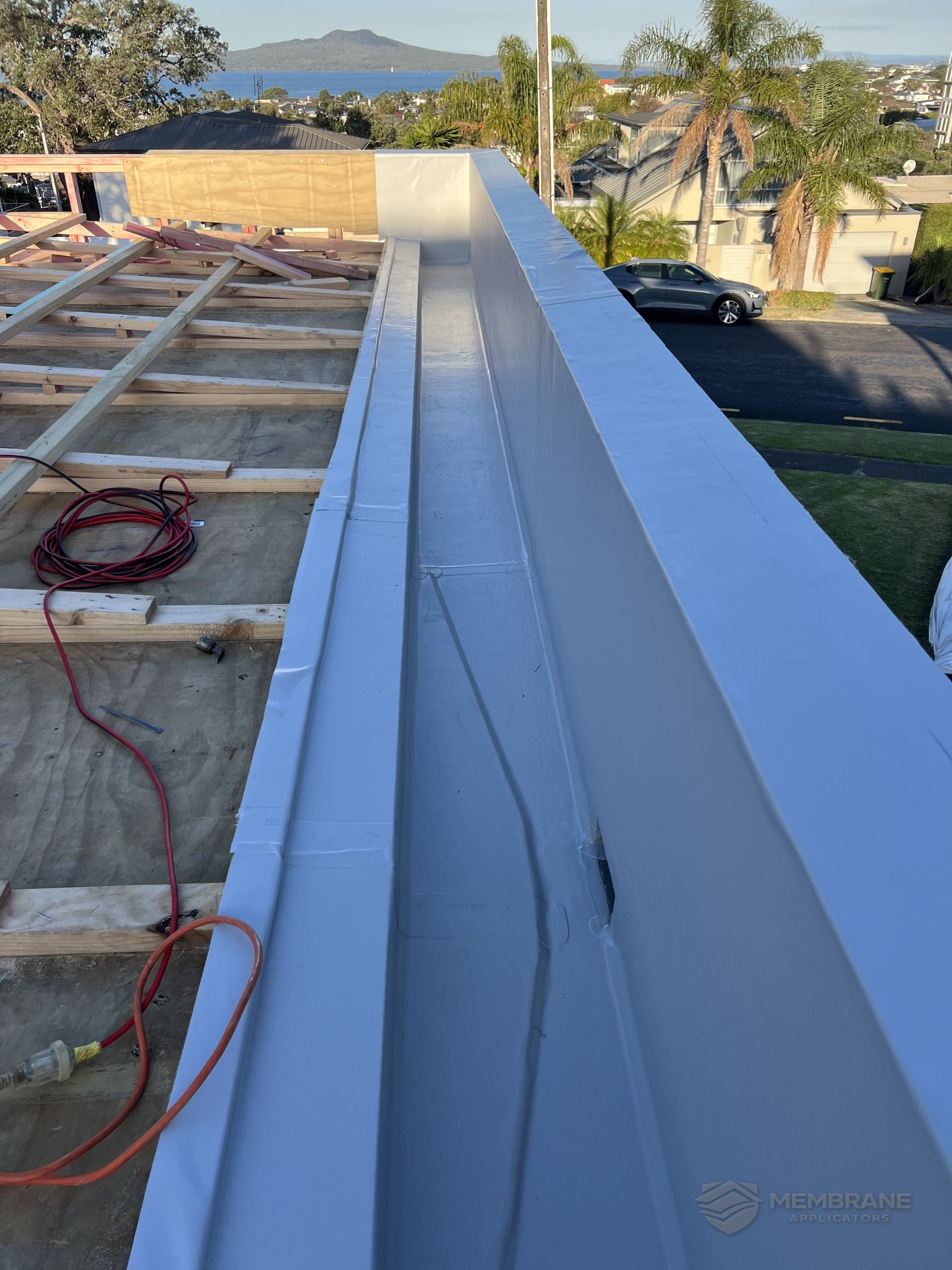
Choosing between TPO membrane and metal roofing for an Auckland flat roof? Compare durability, maintenance, and performance in the New Zealand climate.
TPO vs. Metal Roofing: Which is Best for Auckland Flat Roofs?
When it comes to selecting a roofing material for low-pitch or flat roofs in Auckland, property owners typically find themselves weighing up two primary options: TPO (Thermoplastic Polyolefin) membrane and traditional metal roofing. Both materials have significant presence across the New Zealand landscape, but they offer distinct advantages and challenges, particularly when faced with Auckland's unique maritime climate and high UV levels.
Choosing the right material is not just about aesthetics; it is about long-term performance, waterproofing integrity, and maintenance requirements. In this guide, we compare TPO membrane and metal roofing to help you decide which is generally the best fit for your specific project.
The Case for TPO Membrane in Auckland
TPO is a single-ply roofing membrane that has become increasingly popular for residential and commercial flat roofs in Auckland. It is a thermoplastic material that is typically heat-welded at the seams to create a monolithic, watertight surface.
Superior Waterproofing for Low Pitches
One of the most significant advantages of TPO is its performance on extremely low-pitch roofs. In many cases, flat roofs have very little fall, which can lead to ponding water. While metal roofing generally requires a minimum pitch (often around 3 degrees depending on the profile), TPO is specifically designed to handle low-slope environments where water may drain slowly. Because the seams are welded together rather than overlapped and screwed, the risk of capillary action or water ingress during heavy Auckland downpours is significantly reduced.
Resistance to Salt Air and Corrosion
Auckland is surrounded by water, meaning salt-laden air is a constant factor for almost every building in the region. Metal roofing, even with advanced coatings, is generally susceptible to corrosion over time, especially in "coastal" zones. TPO is a non-metallic material, meaning it cannot rust or corrode. This makes it an excellent choice for properties located near the Waitematā or Manukau harbours, where the salt spray can be particularly aggressive.
Energy Efficiency
TPO membranes are typically white or light grey, providing high reflectivity. In the Auckland summer, this can help reflect a significant amount of solar radiation, generally keeping the building interior cooler and potentially reducing energy costs for air conditioning.
The Role of Metal Roofing on NZ Properties
Metal roofing, particularly corrugated or trapezoidal long-run steel, is a staple of New Zealand architecture. It is durable, familiar, and available in a wide range of colours.
Structural Familiarity
Most Auckland homes are designed with metal roofing in mind. It is a lightweight material that is relatively quick to install on roofs with sufficient pitch. However, for flat roofs (pitches below 3 to 5 degrees), the limitations of metal start to appear.
Maintenance and Fasteners
Metal roofs rely on thousands of fasteners (screws) to stay in place. Over time, these fasteners can work loose due to thermal expansion and contraction, and the rubber washers can perish. In many cases, these fastener points become the primary source of leaks on older metal roofs. TPO, being a fully adhered or mechanically fastened system with welded seams, eliminates these thousands of potential fail points.
Comparing TPO vs. Metal: Key Factors
Durability and Lifespan
Both TPO and high-quality metal roofing can offer long service lives if installed correctly. However, the performance often depends on the specific environment. In high-corrosion zones near the coast, TPO may generally outlast metal that hasn't been upgraded to premium marine-grade materials. Conversely, on a steeply pitched roof where aesthetics are the priority, metal is often the preferred choice.
Maintenance Requirements
Metal roofs typically require regular inspections of the fasteners and clear gutters to prevent rust at the sheet ends. TPO roofs generally require less frequent intervention, though they should still be inspected for debris and to ensure that drainage outlets remain clear. Ponding water, while less of a structural threat to TPO than to metal, should still be managed to prevent silt build-up.
Noise
During heavy rain, metal roofs are notoriously loud, which can be a nuisance in residential settings. TPO, particularly when installed over insulation board, typically provides a much quieter interior environment, dampening the sound of Auckland's frequent rain showers.
Which Should You Choose?
The decision between TPO and metal usually comes down to the pitch of your roof and your proximity to the coast.
- Choose TPO if: Your roof has a very low pitch (below 3 degrees), you are concerned about salt-air corrosion, or you want a quiet, highly watertight solution for a modern flat-roof design.
- Choose Metal if: Your roof has a standard pitch (above 5 degrees), you are looking for a specific Colorsteel aesthetic to match existing structures, and you are not in an extreme coastal environment.
In Auckland, many modern architectural homes now utilise a combination of both—using metal for the pitched sections and TPO for the flat areas, internal gutters, and parapets to ensure maximum protection where water is most likely to sit.
Professional Installation is Key
Regardless of the material you choose, the quality of the installation is the single most important factor in the roof's performance. For TPO membrane, the heat-welding of seams requires specialised equipment and expertise to ensure the bond is permanent and watertight.
If you are currently dealing with a leaky flat roof or are planning a new build in Auckland, it is important to get an expert assessment of which material will serve your property best over the next several decades.
Conclusion
TPO membrane and metal roofing both have their place in the New Zealand building industry. However, for the specific challenges of Auckland flat roofing—namely low pitches, salt air, and high UV—TPO offers a modern, durable, and highly effective alternative to traditional metal.
If you would like to explore whether a TPO membrane is the right choice for your home or commercial building, we are here to help.
Contact Us today to discuss your project requirements or Book a Roof Inspection to evaluate the current state of your flat roof. Our team can provide professional advice on the best waterproofing solutions for your specific Auckland location.
Request a Quote for your TPO roofing project and ensure your property remains dry and protected for years to come.
Keep Reading
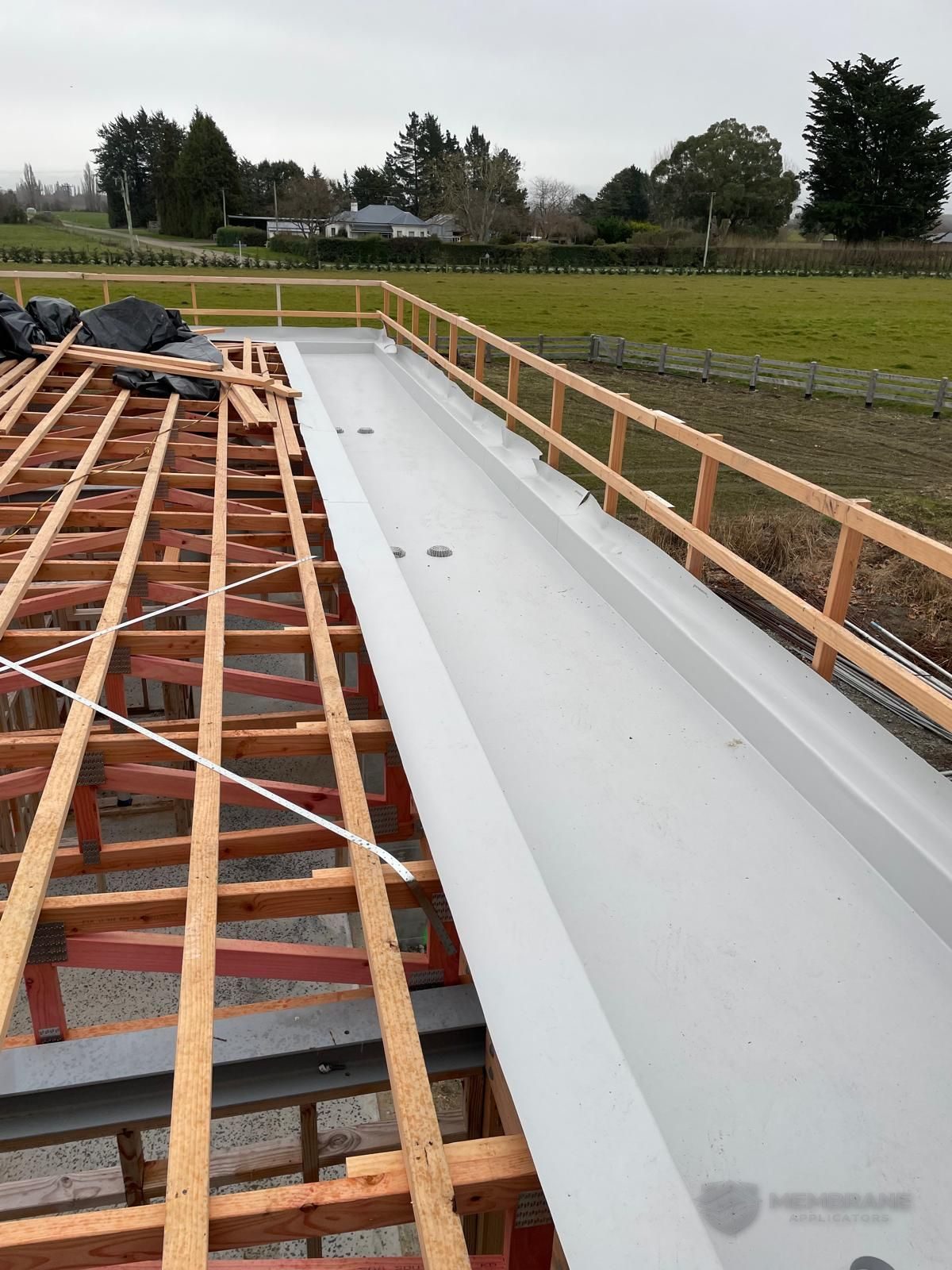
TPO Box Gutters in Auckland: Waterproofing Internal Gutters
Internal and box gutters face heavy rainfall and coastal weather in Auckland. Learn how heat-welded TPO membrane protects these high-risk roof channels from costly leaks.
Read more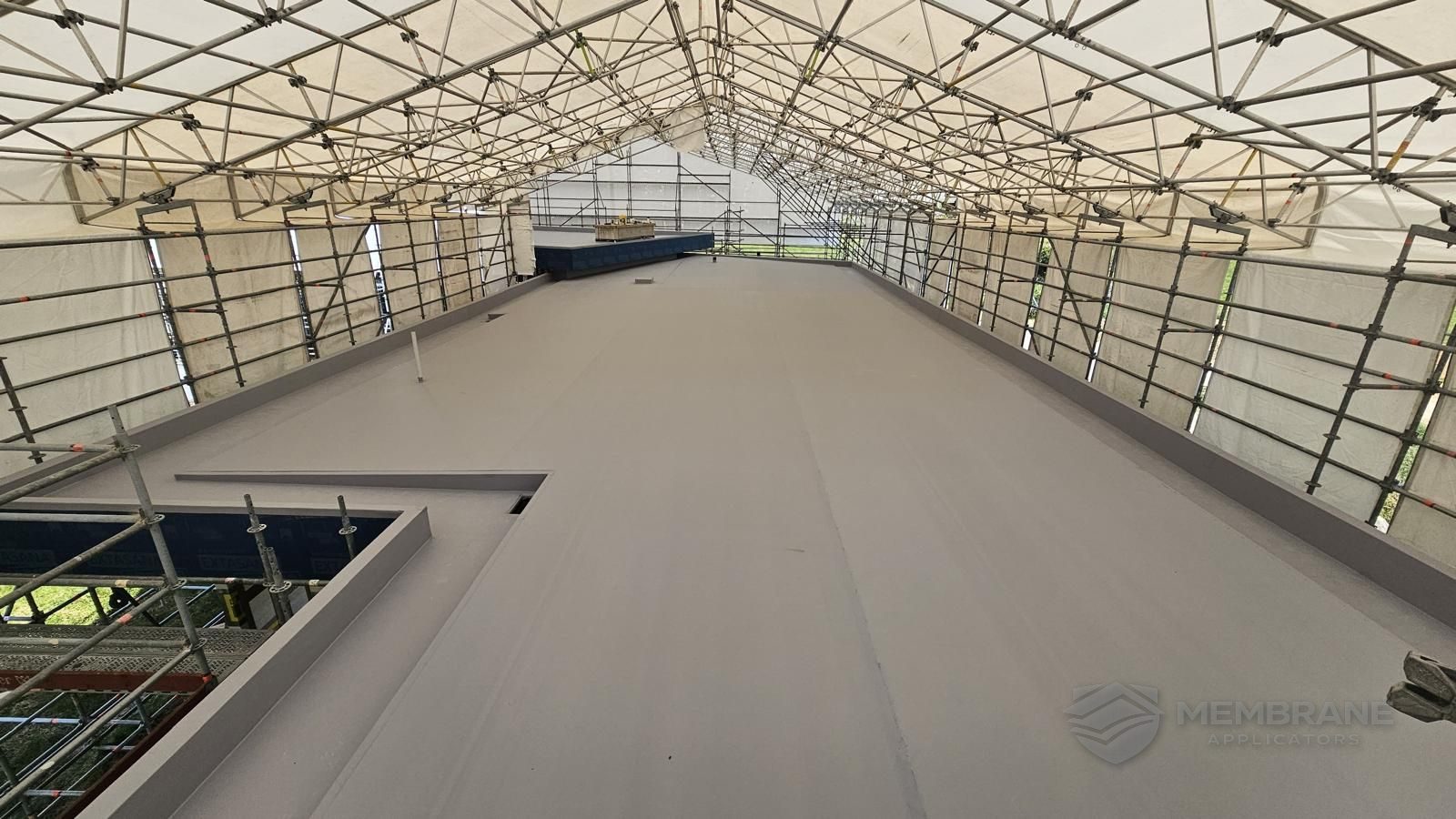
TPO Warm Roof Insulation: Benefits for Auckland Flat Roofs
Learn how pairing rigid insulation with a heat-welded TPO membrane creates a warm roof system that helps manage condensation and comfort on Auckland buildings.
Read more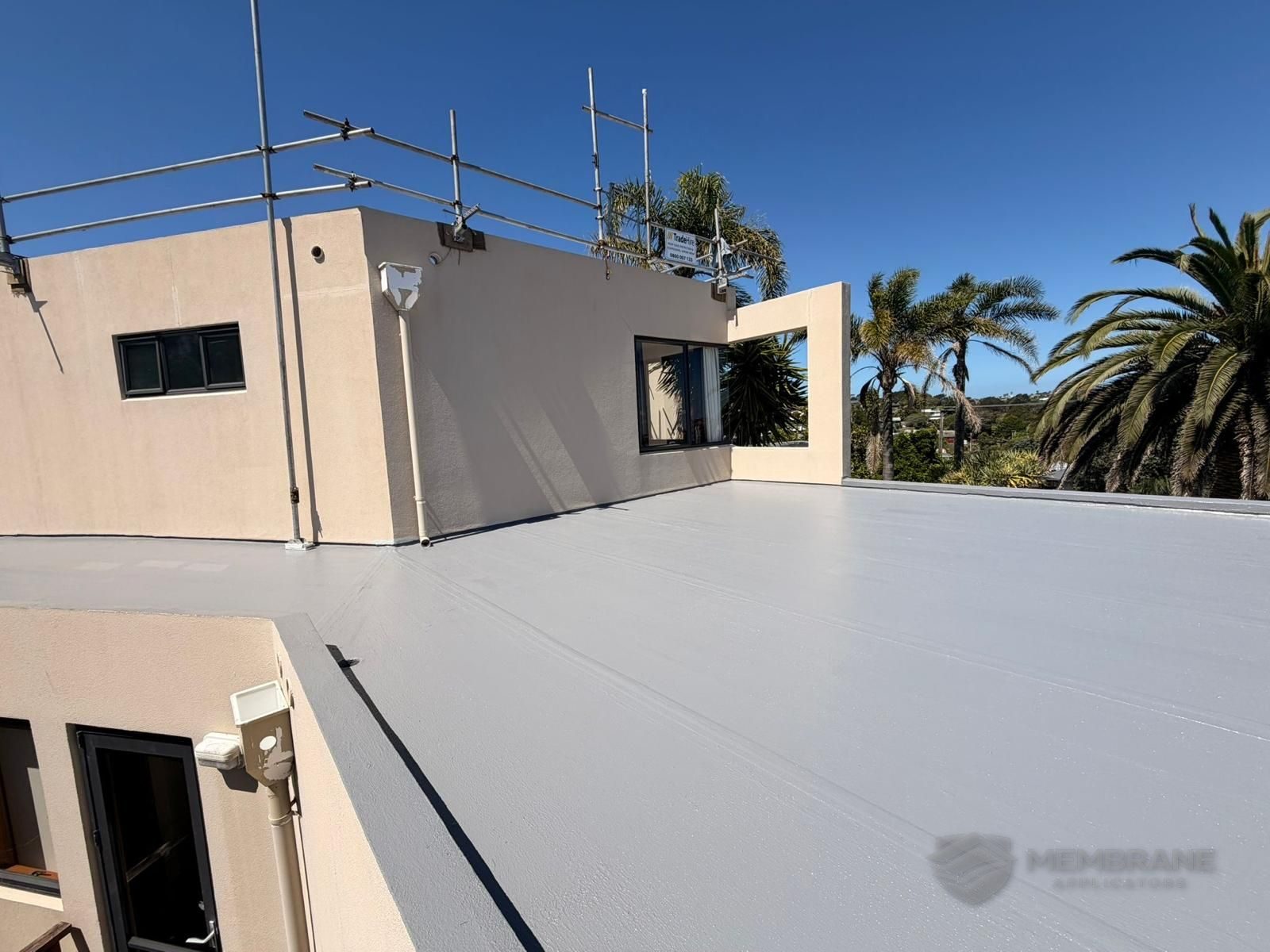
Liquid Membrane Over TPO: Restore or Replace in Auckland?
Wondering whether an ageing TPO roof in Auckland needs replacement or a liquid-applied coating? Learn how property owners weigh roof condition, moisture, and value.
Read more