
TPO Roofing
TPO Roofing Cost Factors: What to Expect for Your Auckland Project
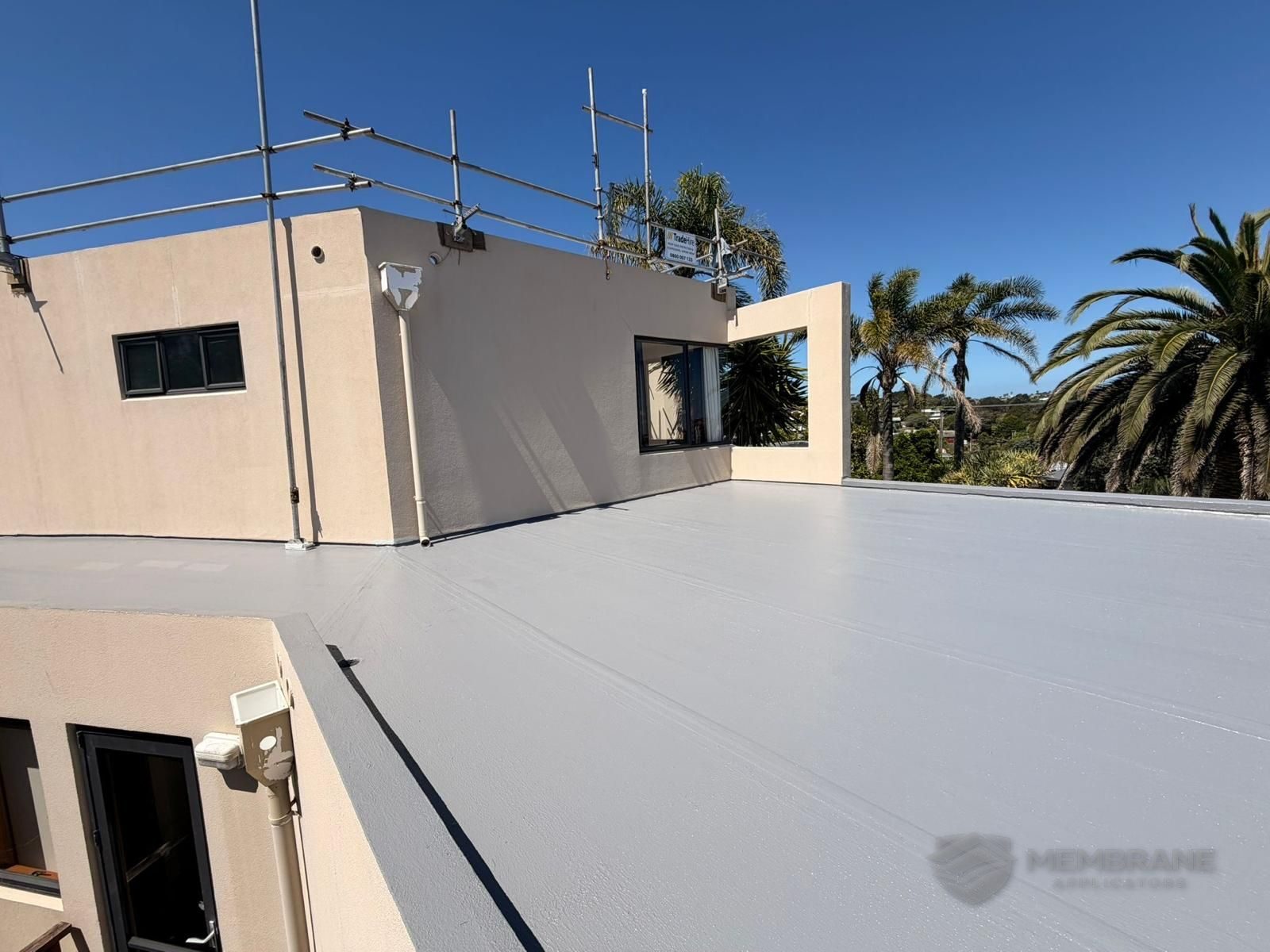
Understanding the key variables that influence TPO membrane roofing costs helps Auckland property owners plan their flat roof replacement or new build project effectively.
Understanding TPO Roofing Costs in Auckland
When it comes to flat roof solutions in New Zealand, Thermoplastic Polyolefin (TPO) has become a leading choice for both residential and commercial properties. Its durability, energy efficiency, and heat-reflective properties make it particularly suited to the volatile Auckland climate. However, for many property owners, the primary question is: what are the real cost factors involved in a TPO roofing project?
Because every roof is unique, there is no single 'standard' price. Instead, costs are determined by a range of technical and environmental variables. In this guide, we break down the primary factors that influence the final investment required for a high-quality TPO membrane installation.
1. Roof Size and Complexity
The most obvious factor is the total square meterage of the roof. Generally, larger roofs may benefit from economies of scale regarding material procurement, but the total labour hours will naturally increase. However, size is only half the story. The complexity of the roof's geometry plays a critical role.
A wide-open commercial flat roof with few interruptions is typically faster and more cost-effective to install than a residential roof with multiple levels, complex valleys, or numerous penetrations. Every corner, skylight, chimney, and vent pipe requires careful detail work and hand-welding of the membrane to ensure a watertight seal. These detailed areas are more labour-intensive and directly affect the overall project cost.
2. Condition of the Existing Substrate
For roof replacements, the state of the current roof is a significant cost variable. In many cases, the old roofing material must be completely removed and disposed of before the new TPO membrane can be applied. If the underlying substrate—whether it is plywood, concrete, or metal—is found to have rot, water damage, or structural issues, these must be repaired first.
In some Auckland renovations, if the existing roof (such as an old Butynol system) is sound and dry, it may be possible to install a recovery board and lay the TPO over the top. However, this depends entirely on local building codes and the moisture levels within the existing system. Addressing substrate issues early is essential to prevent future leaks, but it does add to the initial labour and material costs.
3. Membrane Thickness and Specification
TPO membranes are typically available in different thicknesses, commonly 1.1mm and 1.5mm in the New Zealand market. A thicker membrane generally offers enhanced puncture resistance and a longer potential service life, but it also carries a higher material cost.
Furthermore, the method of attachment influences the price. TPO can be:
- Fully Adhered: The membrane is glued to the substrate. This provides excellent wind uplift resistance and is often preferred for residential flat roofs.
- Mechanically Fastened: Using plates and screws to secure the membrane. This is often faster for large commercial areas but may not be suitable for all substrate types.
- Induction Welded: A modern method using electromagnetic heat to bond the membrane to plates beneath.
Choosing the right specification for your specific Auckland location—considering wind zones and salt spray exposure—will impact the total investment.
4. Flashings, Upstands, and Penetrations
A roof is only as good as its weakest point, which is almost always where it meets a wall or a pipe. High-quality TPO installations involve extensive 'detail work.' This includes:
- Parapet Wall Upstands: Bringing the membrane up and over the edge of the roof.
- Internal Gutters: Lining box gutters with TPO to ensure they handle Auckland’s heavy downpours.
- Pipe Seals: Using pre-formed or site-fabricated TPO boots to seal vent pipes.
The more 'details' your roof has, the more time a technician spends with a hand-welder ensuring every seam is perfect. This specialised labour is a key component of the pricing structure.
5. Site Access and Safety Requirements
Auckland’s varied topography and urban density can present logistical challenges. If a property is located on a steep site or has limited access for delivery trucks, material handling costs can rise.
Additionally, Health and Safety is a non-negotiable factor in New Zealand construction. For most roofing projects, edge protection or scaffolding is required by law. The height of the building and the complexity of the scaffolding setup are external costs that must be factored into the total project budget. A three-storey apartment building in Parnell will have much higher safety costs than a single-storey garage in Henderson.
6. Insulation and Thermal Upgrades
Many modern TPO projects include the installation of tapered insulation or high-performance PIR boards beneath the membrane. While this increases the upfront cost, it significantly improves the thermal efficiency of the building. In Auckland, where homes can be damp and difficult to heat, upgrading insulation during a re-roofing project is often a wise long-term investment that can reduce energy bills and improve comfort.
Summary of Costs
While it is tempting to look for the lowest price, a membrane roof is a technical system that protects your most valuable asset. The 'cost' of a TPO roof should be viewed over its entire lifespan. A correctly installed system with proper detailing and high-quality materials will generally require less maintenance and provide superior protection against the elements for decades.
Every project is different, and the best way to understand the specific requirements for your roof is to have a professional assessment.
If you are planning a flat roof project or suspect your current membrane is reaching the end of its life, we are here to help.
- Request a Quote to get a detailed breakdown for your specific project.
- Book a Roof Inspection for an honest assessment of your current roof's condition.
- Contact Us with any technical questions regarding TPO membranes in Auckland.
Keep Reading
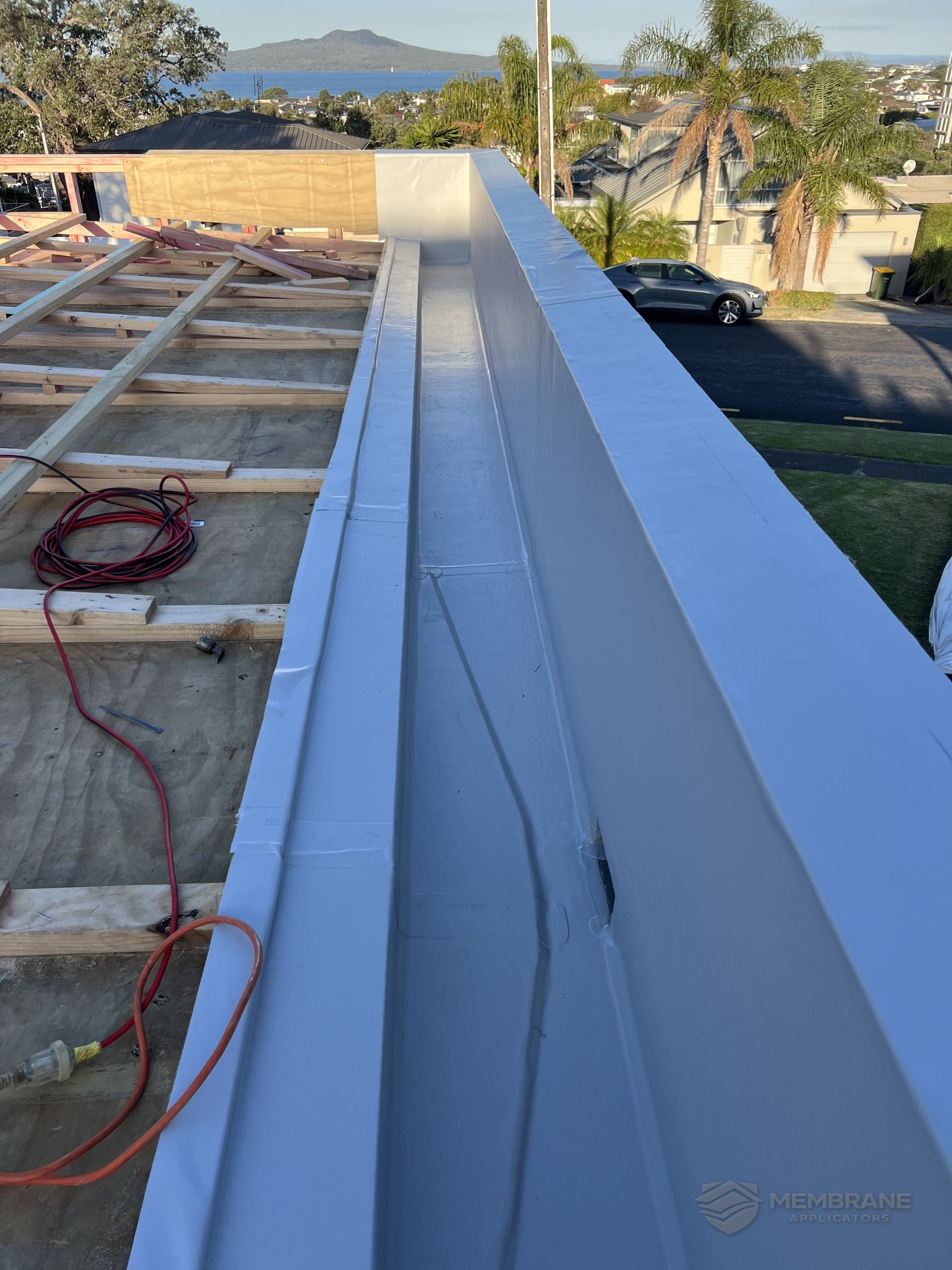
TPO Roofing in Auckland: Best Solutions for the Local Climate
Discover why TPO membrane is the ideal choice for Auckland's unique weather, offering superior UV resistance and durability for flat and low-pitch roofs.
Read more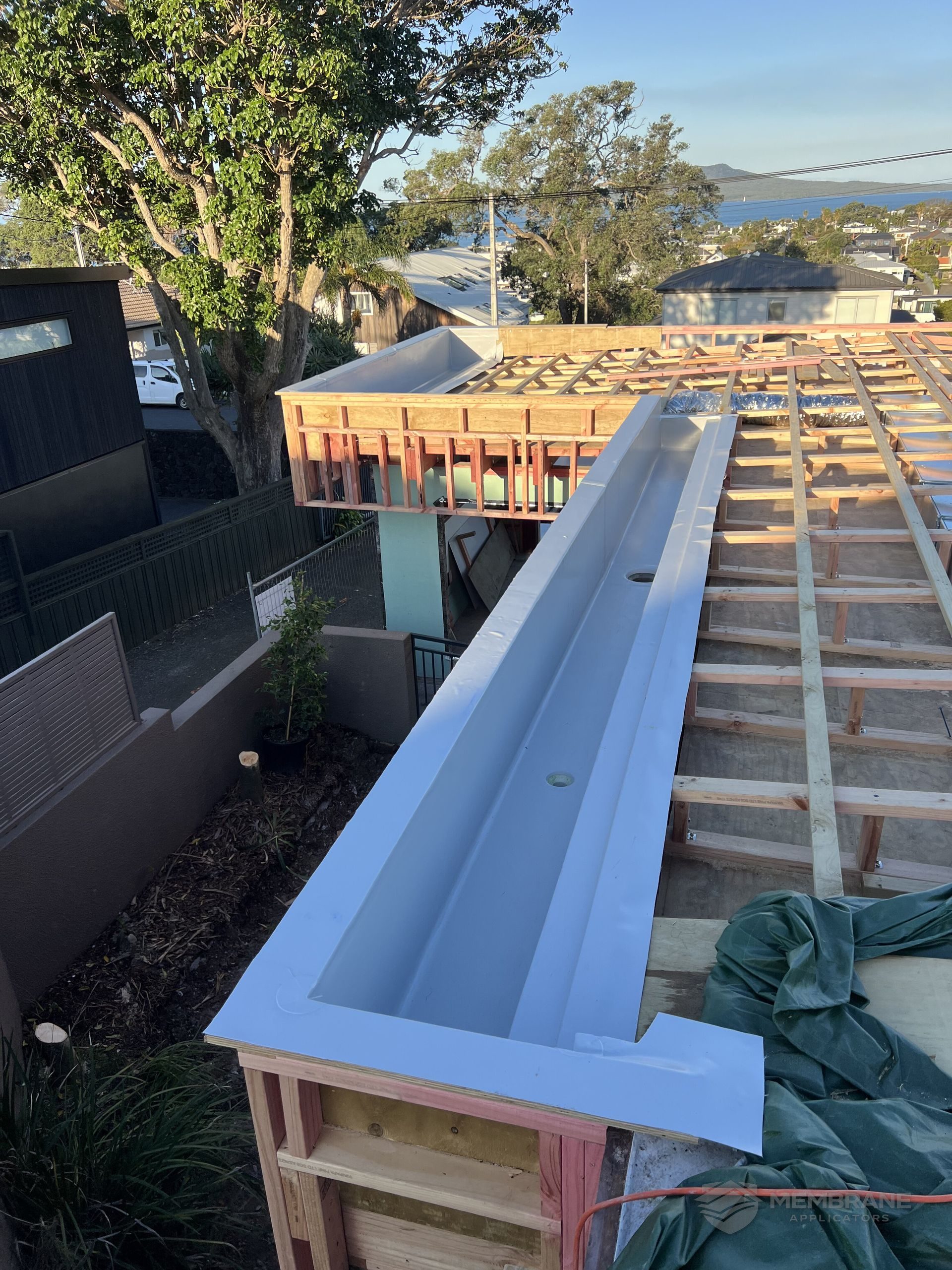
Commercial TPO Roofing: Durable Solutions for Auckland Businesses
TPO membrane roofing offers Auckland commercial property owners a durable, energy-efficient solution for flat roofs, providing exceptional weather resistance and long-term waterproofing performance.
Read more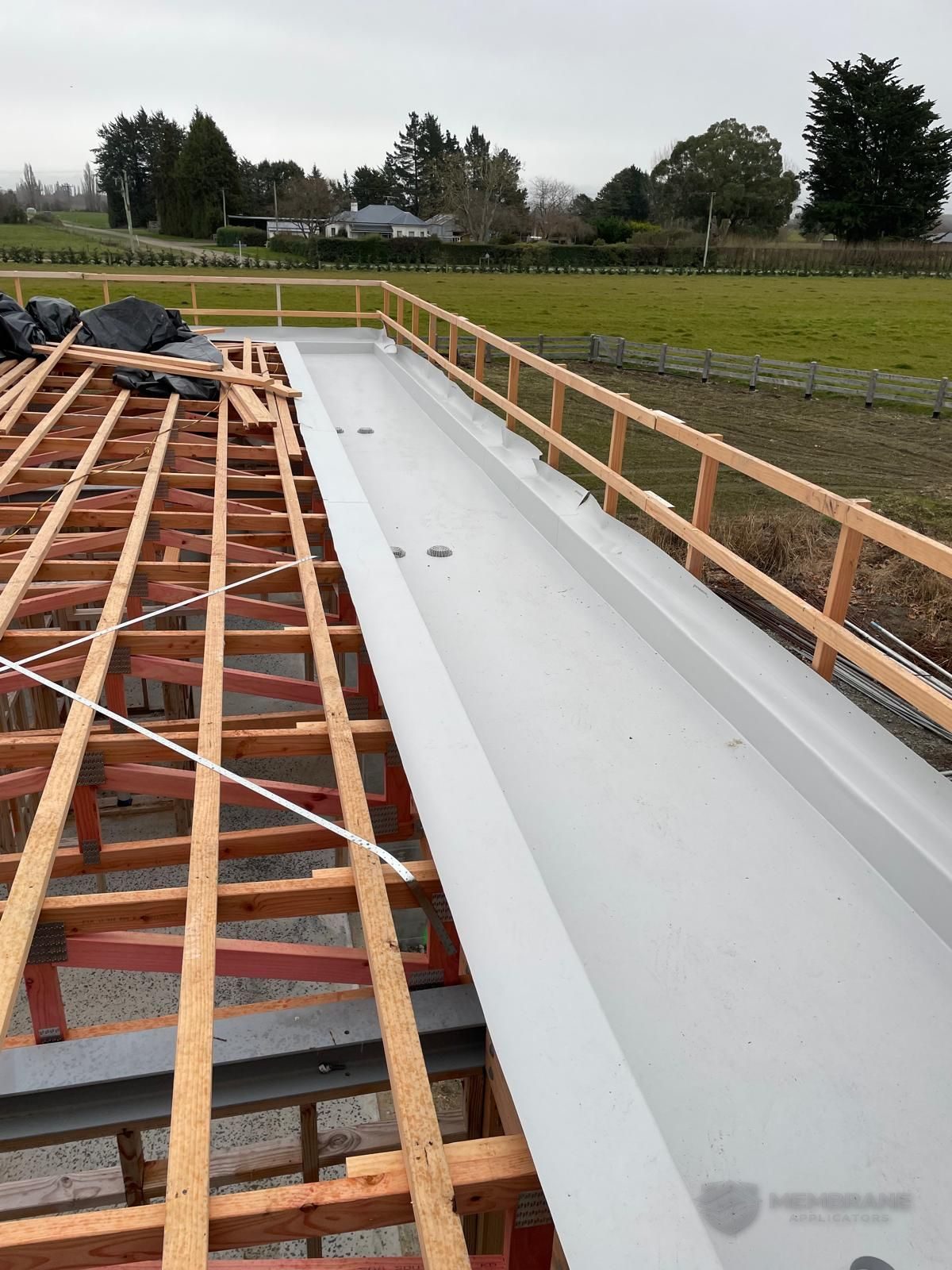
TPO Membrane Repairs: How to Fix Flat Roof Leaks in Auckland
Is your TPO roof showing signs of wear or leaking? Learn the essential steps for TPO membrane repairs and how to maintain your Auckland property's flat roof.
Read more