
TPO Roofing
TPO Penetrations & Flashings: Ensuring a Watertight Auckland Roof
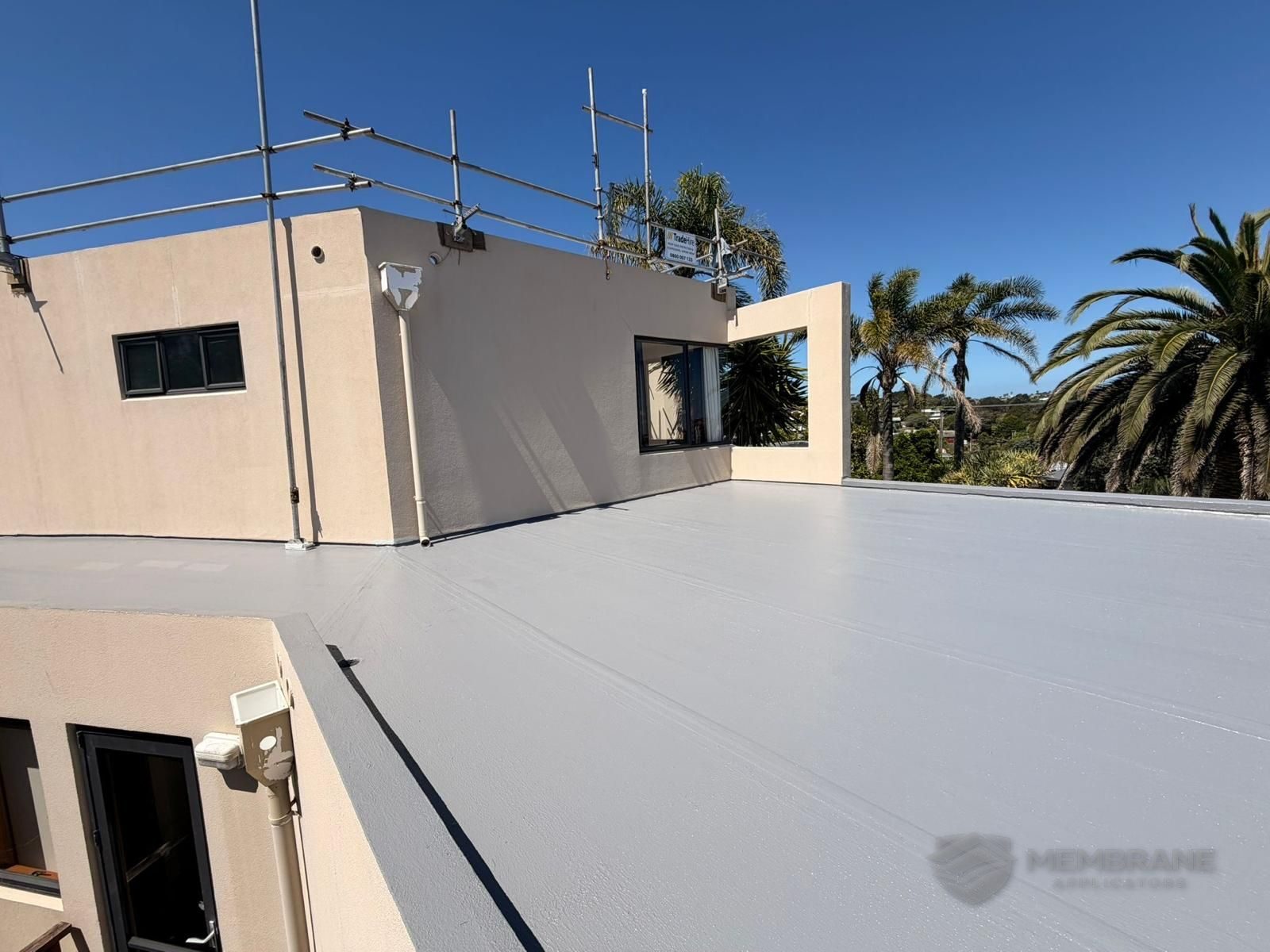
Learn how proper TPO flashings and penetration details prevent leaks in Auckland’s flat roofs. Essential knowledge for property owners and managers.
Why Penetrations and Flashings Matter for Your Auckland Roof
In the world of flat roofing, the flat sections are rarely the source of leaks. Instead, the vast majority of water ingress issues occur at 'penetrations'—anywhere a pipe, vent, skylight, or structural element breaks through the membrane surface. For property owners in Auckland, where wind-driven rain and high humidity are the norm, ensuring that these details are handled correctly is the single most important factor in the longevity of a TPO (Thermoplastic Polyolefin) roof.
TPO membrane roofing is prized for its heat-welded seams, which create a monolithic barrier. However, that barrier is only as strong as its weakest point. Flashings are the specialized components used to seal these edges and penetrations. When designed and installed correctly, they move in harmony with the building's thermal expansion and contraction, maintaining a watertight seal for decades. In many cases, a failure in these areas is what leads to costly internal damage, even if the rest of the roof is in perfect condition.
Common Types of Roof Penetrations
A typical Auckland commercial or residential flat roof is likely to have several types of penetrations. Each requires a specific flashing approach to ensure performance:
- Pipe Boots: These are conical flashings that fit around plumbing vents or electrical conduits. They are typically heat-welded to the main TPO membrane and secured at the top with a stainless steel clamp and sealant.
- Box Gutters and Drains: Where the roof meets the drainage system, the membrane must be carefully detailed to ensure water flows into the gutter rather than under the membrane. Box gutters often require complex folding and welding of the TPO sheet.
- HVAC Units and Curbs: Large mechanical equipment often sits on 'curbs'—raised platforms that must be fully wrapped in TPO membrane. The corners of these curbs are high-stress areas that require reinforced details.
- Parapet Walls and Upstands: The edge of the roof where it meets a wall (an upstand) must be flashed up the vertical surface, usually at least 150mm to 200mm, and then tucked under a cap or counter-flashing.
- Skylights: These are critical light sources but also high-risk areas for leaks if the flashing isn't integrated perfectly with the frame.
The TPO Advantage: Heat-Welded Integrity
One of the reasons TPO is so effective for penetrations compared to older systems like Butynol or bitumen is the ability to heat-weld the flashings. Unlike systems that rely on adhesives or tapes—which can degrade over time due to UV exposure and thermal movement—TPO flashings are fused to the main sheet at a molecular level.
This welding process creates a bond that is actually stronger than the membrane itself. For Auckland roofs, this is particularly beneficial. The local climate involves significant temperature swings between the morning sun and the afternoon sea breeze. This causes building materials to expand and contract. Because TPO flashings are welded, they don't 'peel' away at the edges as glue-based systems might.
Critical Installation Details
When we look at TPO penetrations, there are several key elements that ensure success. First is the preparation of the substrate. The area around the penetration must be clean, dry, and free of sharp edges that could puncture the membrane during the installation process.
Secondly, the use of prefabricated accessories can significantly improve reliability. While a skilled applicator can hand-fabricate flashings for unique shapes, using factory-made corners and pipe boots reduces the risk of human error. These components are made from the same high-quality TPO material and are designed to be easily welded into place.
Finally, the 'termination' at the top of the flashing is vital. For a pipe, this means a termination bar or a stainless steel band and a high-quality sealant. For a wall, it means a mechanical fastening and a counter-flashing. Without these final steps, water can run down the pipe or wall and get behind the flashing, rendering the entire system useless.
Maintenance and Inspections in Auckland
Even the best-installed TPO roof requires regular checks. In Auckland, the accumulation of organic debris—leaves, moss, and dirt—around penetrations can trap moisture and accelerate the wear of sealants. We generally recommend a professional roof inspection twice a year, ideally before and after the winter season.
During an inspection, a specialist will look for:
- Sealant Degradation: While the TPO itself is highly UV resistant, the secondary sealants used at the top of pipe boots and termination bars can dry out and crack over time.
- Mechanical Damage: Vandalism, HVAC technicians, or falling debris can cause physical punctures near penetrations.
- Welding Integrity: Ensuring that all seams around corners and boots remain tightly fused.
- Drainage Health: Checking that internal drains and box gutters are clear of blockages so water doesn't pool around penetrations.
Long-Term Value of Quality Flashing
Investing in high-quality TPO details today saves property owners significant stress and money in the future. A small leak at a poorly detailed vent pipe can go unnoticed for months, slowly rotting the plywood substrate and compromising the insulation beneath the membrane. By the time the leak shows up on the ceiling inside, the repair bill has often quadrupled.
In many cases, TPO roofs in Auckland that reach their full expected lifespan are those where the penetration details were given the same level of attention as the main field of the roof. It is not an area where cutting corners pays off.
Conclusion
Whether you are managing a commercial warehouse in Mt Wellington or a modern residential flat roof in Ponsonby, the integrity of your TPO penetrations is the key to a dry building. By understanding the types of flashings required and ensuring they are correctly welded and maintained, you can enjoy the peace of mind that comes with a truly watertight roofing system.
If you have concerns about existing penetrations or are planning a new TPO installation, professional guidance is essential. A thorough inspection can identify potential weak points before they become active leaks.
Allowed CTAs:
- Contact Us
- Book a Roof Inspection
- Request a Quote
Keep Reading
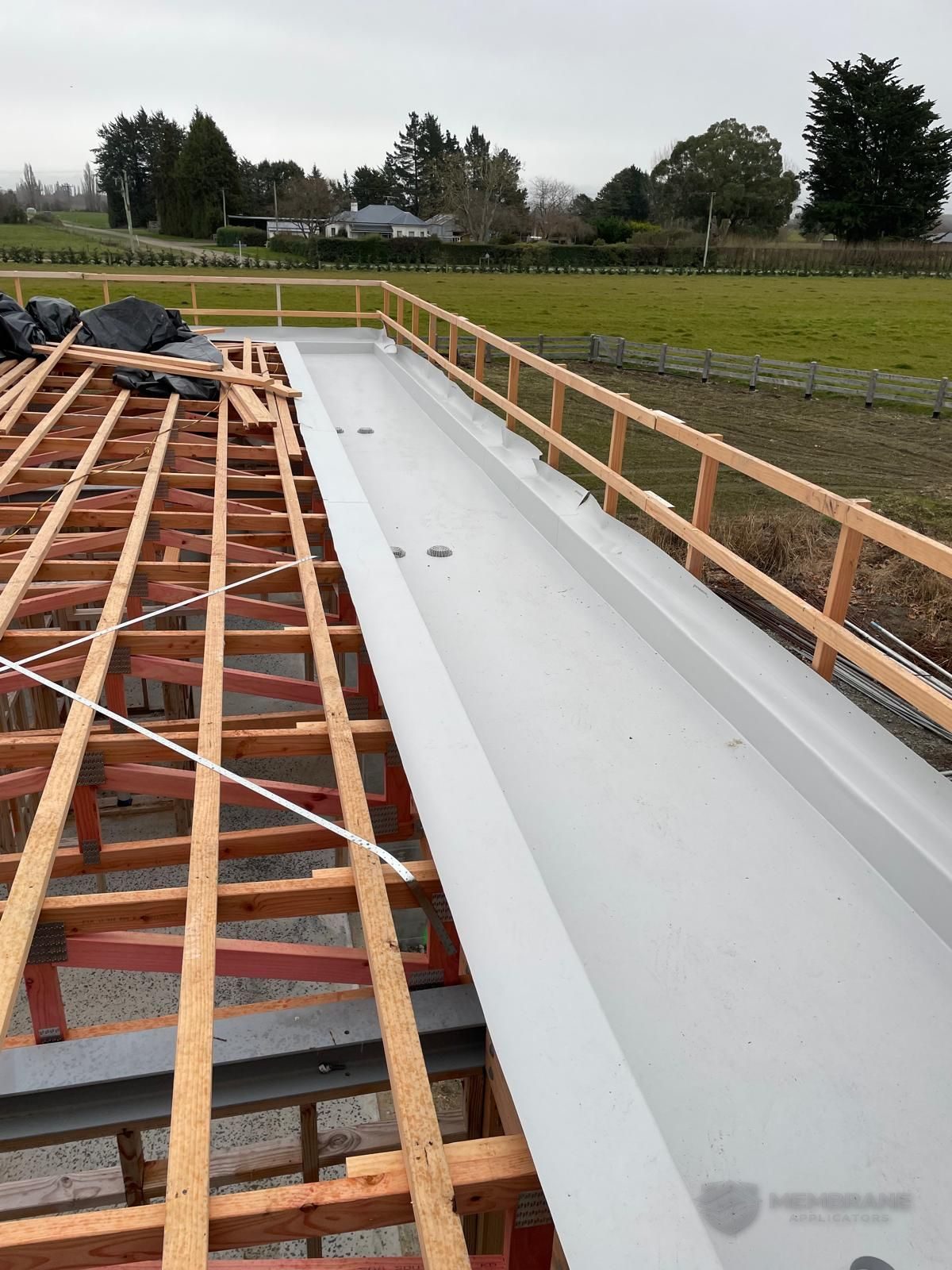
TPO Box Gutters in Auckland: Waterproofing Internal Gutters
Internal and box gutters face heavy rainfall and coastal weather in Auckland. Learn how heat-welded TPO membrane protects these high-risk roof channels from costly leaks.
Read more
TPO Warm Roof Insulation: Benefits for Auckland Flat Roofs
Learn how pairing rigid insulation with a heat-welded TPO membrane creates a warm roof system that helps manage condensation and comfort on Auckland buildings.
Read moreLiquid Membrane Over TPO: Restore or Replace in Auckland?
Wondering whether an ageing TPO roof in Auckland needs replacement or a liquid-applied coating? Learn how property owners weigh roof condition, moisture, and value.
Read more