
TPO Roofing
TPO Membrane Upstands: Critical Details for Auckland Flat Roofs
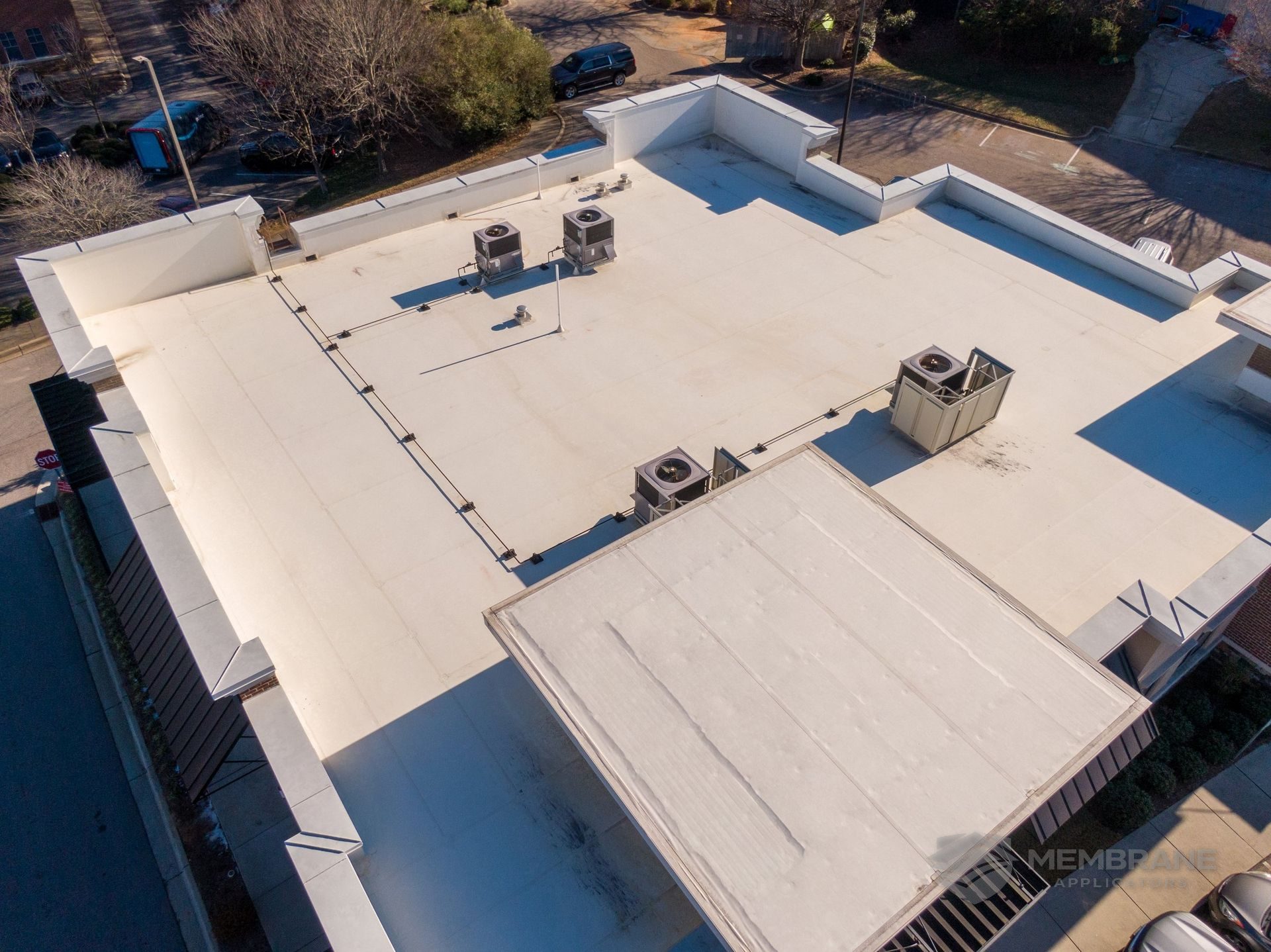
Learn why TPO membrane upstands are critical for waterproofing Auckland flat roofs and how proper detailing prevents leaks at walls and parapets.
Understanding the Importance of TPO Membrane Upstands
When it comes to flat roofing in Auckland, the difference between a roof that lasts for decades and one that fails prematurely often lies in the details. Among the most critical of these details are the upstands. In membrane roofing terminology, an upstand is the part of the waterproofing layer that extends vertically up a wall, parapet, or penetration. While the main horizontal expanse of a TPO (Thermoplastic Polyolefin) roof is vital, the upstands are where the most complex waterproofing challenges occur.
In the Auckland region, where heavy rainfall and high humidity are part of the seasonal cycle, ensuring that these vertical transitions are handled with precision is non-negotiable. Whether you are managing a commercial warehouse or a modern residential build, understanding how TPO upstands function is essential for long-term property protection.
What Exactly is a TPO Membrane Upstand?
A TPO membrane upstand is created when the roofing membrane is turned up at the edge of the roof deck to meet a vertical surface. This could be the base of a chimney, a skylight frame, or, most commonly, a parapet wall. The purpose is to create a continuous 'tub' or 'tray' effect, ensuring that water cannot seep behind the membrane where the roof meets a wall.
TPO is particularly well-suited for these details because it is a flexible material that can be precisely cut, folded, and—most importantly—heat-welded. Unlike older systems that relied heavily on adhesives or tapes that could degrade over time, TPO upstands are fused to the main roof membrane, creating a monolithic seal that is incredibly resistant to moisture.
Why Upstands Matter in Auckland’s Climate
Auckland's weather is notoriously fickle. We often experience 'four seasons in one day,' and our rainfall patterns can be intense. For flat roofs, this means that water can accumulate quickly before it has a chance to reach the internal gutters or scuppers. If the upstands are too low or poorly detailed, wind-driven rain can be forced up and over the top of the membrane, leading to leaks that are notoriously difficult to trace.
Furthermore, thermal expansion and contraction are significant factors in New Zealand. As the sun beats down on an Auckland roof during a summer afternoon, the building materials expand. When a sudden afternoon shower cools the roof rapidly, they contract. TPO membranes are designed to handle this movement, but the upstands must be installed with enough 'give' and secured with the right termination bars to ensure they don't pull away from the vertical surface over time.
Best Practice: Minimum Heights and Requirements
In New Zealand, building codes and manufacturer specifications generally dictate minimum heights for membrane upstands. Typically, an upstand should extend at least 150mm above the finished roof level. However, in areas prone to high wind zones—common across many Auckland coastal suburbs—increasing this height to 200mm or more is often considered a best-practice approach.
The logic is simple: the higher the upstand, the less likely it is that splashing water or ponding water during a heavy storm will reach the top edge. When we talk about Auckland flat roofs, we aren't just protecting against direct rainfall; we are protecting against water that moves across the surface.
The Technical Detail: How TPO Upstands are Installed
The installation of a TPO upstand involves several key steps that require a high degree of skill:
- Preparation: The vertical surface must be clean, dry, and free of sharp edges. If the wall is made of porous material like concrete block, a primer may be applied to ensure maximum adhesion.
- Mechanical Attachment: Before the membrane is turned up, it is often mechanically fastened at the 'angle change' (the point where the flat roof meets the wall). This prevents the membrane from 'bridging' or pulling tight across the corner as the building moves.
- Welding the Corners: The most difficult part of any upstand is the corner—either internal or external. Professional applicators use pre-formed TPO corner pieces which are heat-welded over the join. This ensures that even the most vulnerable points are as strong as the rest of the roof.
- Termination: The top of the upstand must be sealed. This is usually done with a metal termination bar that is screwed into the wall, followed by a bead of specialized sealant. Finally, a metal 'over-flashing' or 'cap-flashing' is installed to provide a mechanical shield over the top of the membrane.
Common Challenges with Parapets and Penetrations
Many modern Auckland designs feature hidden gutters and high parapet walls. While these look sleek, they create numerous upstand junctions. If a parapet wall is not capped correctly, water can enter the wall cavity from the top and run down behind the TPO upstand. This is a common cause of 'ghost leaks' where the roof membrane is perfectly intact, but water is still entering the building.
Penetrations—such as vent pipes for plumbing or HVAC units—also require 'pipe boots' which are essentially circular upstands. These must be heat-welded to the main membrane and clamped tightly at the top. Generally, these are the points most likely to fail if not checked regularly, as they are often subject to vibration from the equipment they support.
Maintenance: Keeping Your Upstands Watertight
While TPO is a low-maintenance material, the upstands should be inspected at least twice a year, typically before and after winter. In Auckland, look for:
- Accumulated Debris: Leaves and dirt can build up in the corners of upstands, holding moisture against the membrane and potentially encouraging moss growth.
- Sealant Condition: While the TPO itself lasts a long time, the sealant at the top of the termination bars may need to be refreshed every few years to ensure a perfect seal against wind-driven rain.
- Mechanical Damage: If other trades have been on the roof (e.g., air conditioning technicians or painters), check that they haven't accidentally punctured or scuffed the upstands with ladders or tools.
Conclusion: Precision Detailing for Long-Term Peace of Mind
Investing in a TPO roof for your Auckland property is a smart move, but its success depends on detailing quality. Upstands are the front line in your roof's defense. When installed correctly with professional heat-welding, they provide security few other systems can match.
If you are planning a new flat roof project or are concerned about the state of your existing membrane junctions, getting a professional assessment is the best way forward. Proper detailing today prevents costly repairs tomorrow.
Ready to ensure your roof is watertight?
- Book a Roof Inspection
- Request a Quote
- Contact Us
Keep Reading
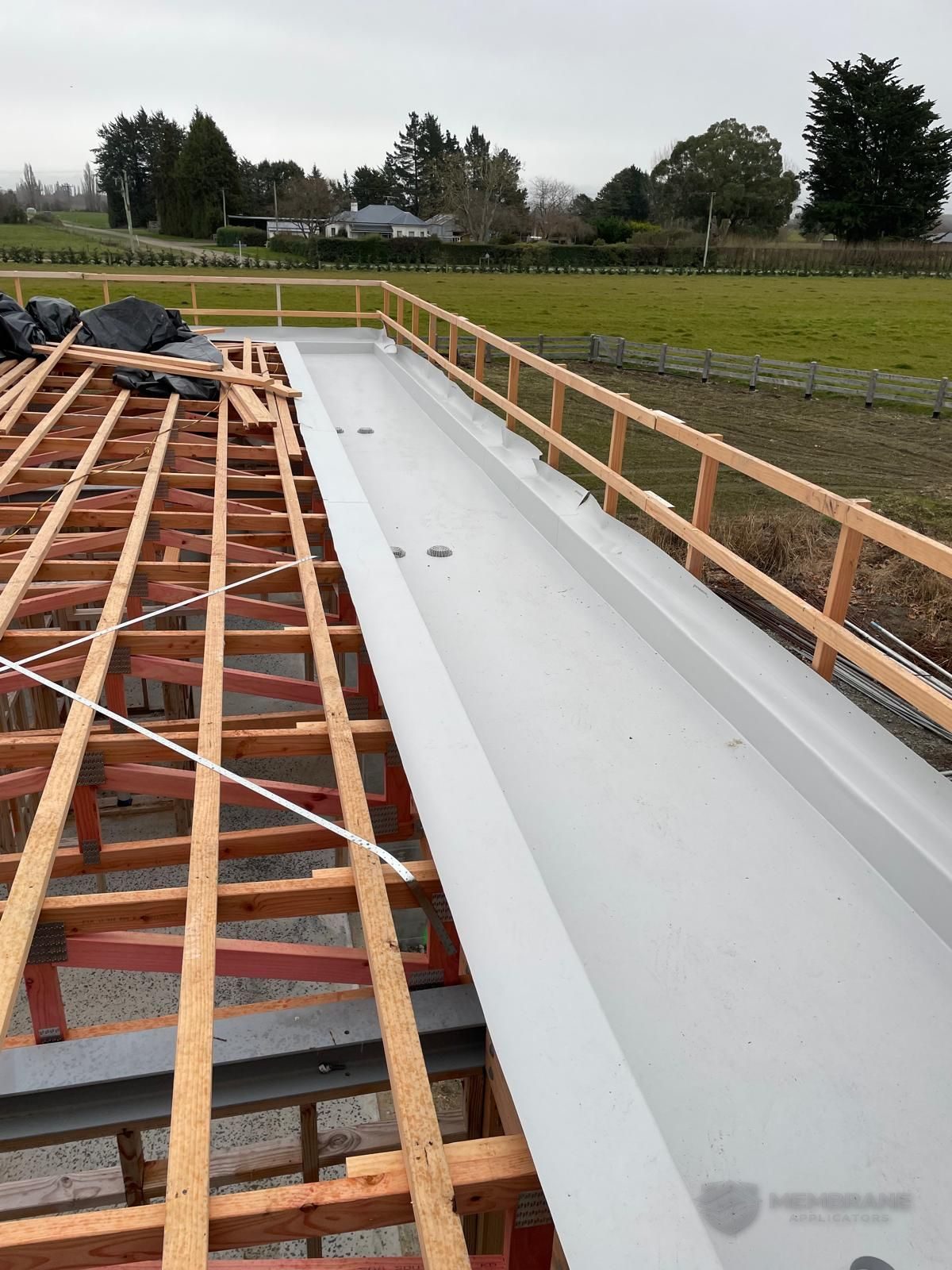
TPO Box Gutters in Auckland: Waterproofing Internal Gutters
Internal and box gutters face heavy rainfall and coastal weather in Auckland. Learn how heat-welded TPO membrane protects these high-risk roof channels from costly leaks.
Read more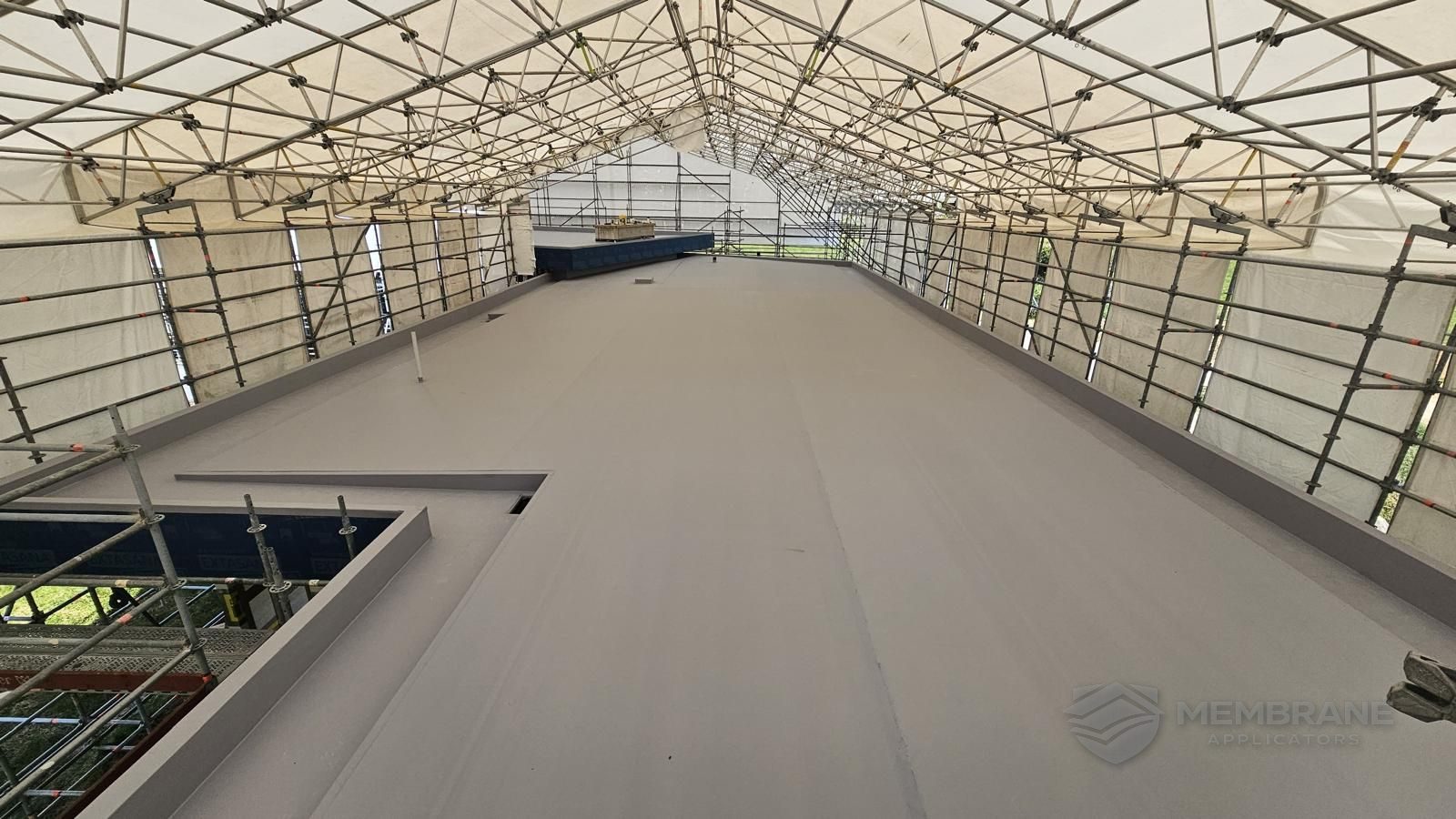
TPO Warm Roof Insulation: Benefits for Auckland Flat Roofs
Learn how pairing rigid insulation with a heat-welded TPO membrane creates a warm roof system that helps manage condensation and comfort on Auckland buildings.
Read more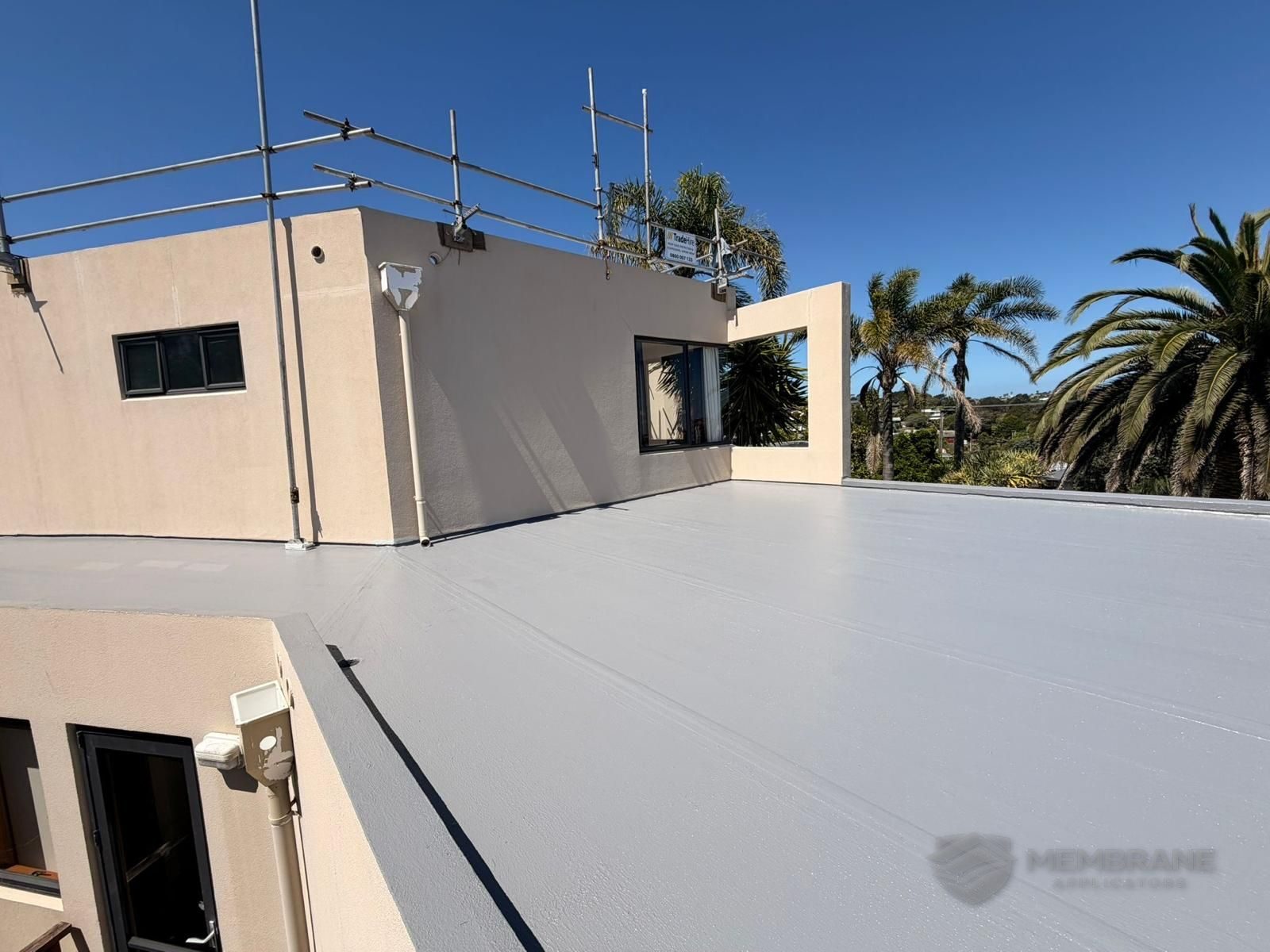
Liquid Membrane Over TPO: Restore or Replace in Auckland?
Wondering whether an ageing TPO roof in Auckland needs replacement or a liquid-applied coating? Learn how property owners weigh roof condition, moisture, and value.
Read more