
TPO Roofing
TPO Membrane Cleaning: Maintaining Peak Performance in Auckland
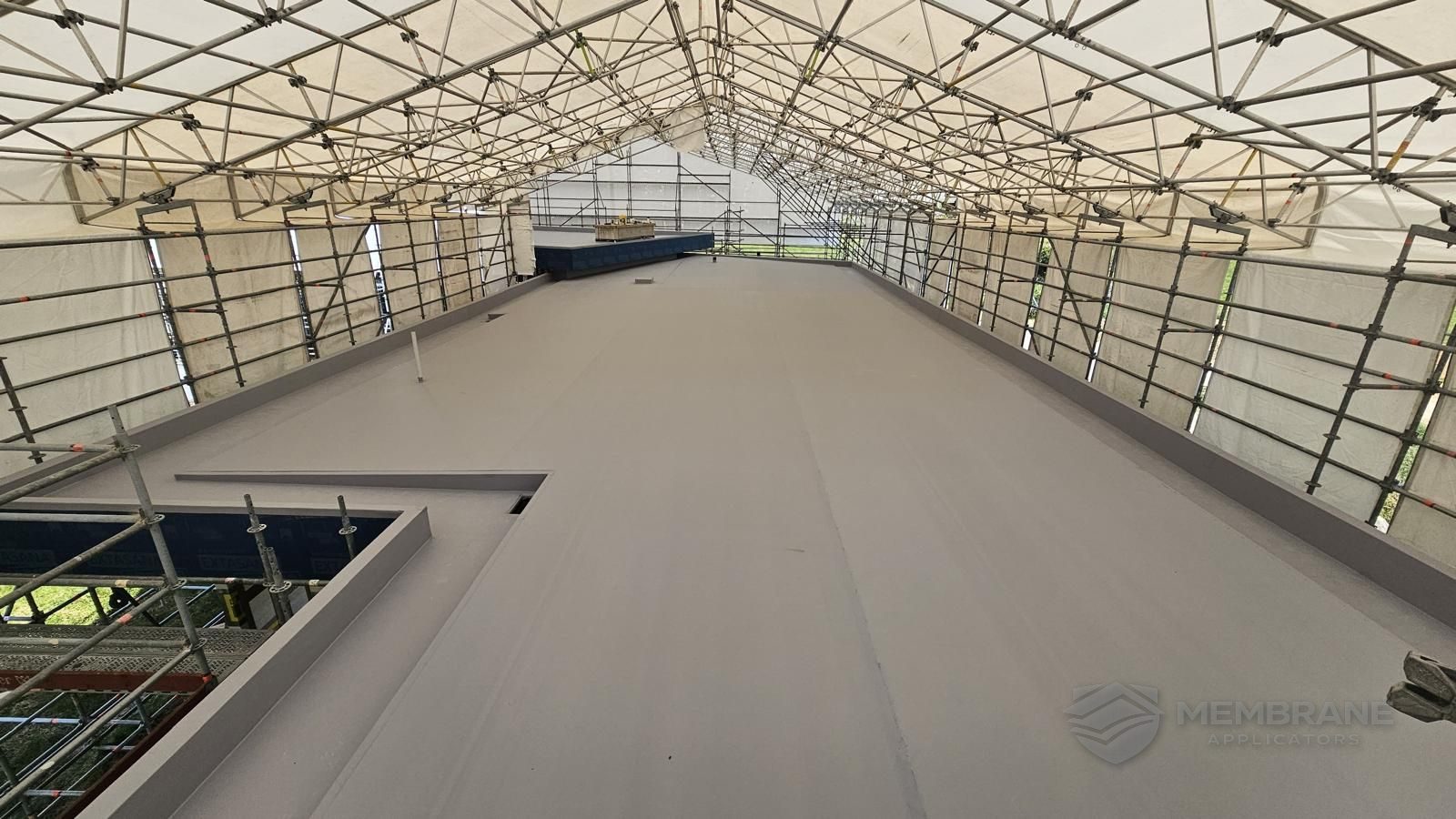
A comprehensive guide on why and how to clean your TPO membrane roof to ensure longevity and reflectivity in the Auckland climate.
Why Cleaning Your TPO Membrane Matters
TPO (Thermoplastic Polyolefin) is one of the most popular choices for commercial and residential flat roofs across Auckland. Its bright white surface is designed to reflect sunlight, significantly reducing heat absorption and keeping interiors cooler during our humid summers. However, over time, environmental factors can compromise this performance. Dust, pollen, industrial pollutants, and the inevitable Auckland humidity can lead to the growth of moss and mould, turning that pristine white surface into a dull, heat-absorbing grey.
Cleaning your TPO membrane isn't just about aesthetics; it is a critical part of maintenance that protects your investment. A clean roof maintains its energy-saving reflectivity, prevents the buildup of organic matter that can trap moisture against seams, and allows for easier inspections to catch minor issues before they become major leaks.
The Auckland Environmental Context
In the Auckland region, properties are often exposed to a unique mix of maritime air, high rainfall, and intense UV rays. For roofs near the Waitakere Ranges or the lush suburbs of the North Shore, tree debris and organic growth are common challenges. For commercial sites in Penrose or Mount Wellington, industrial soot and road grime can accumulate quickly. This cocktail of contaminants can bake onto the membrane under the New Zealand sun, making regular cleaning essential.
When Should You Clean Your Roof?
Typically, a TPO membrane should be cleaned at least once a year. In many cases, properties near heavy vegetation or high-traffic areas may benefit from a bi-annual schedule. The best times are generally late autumn, after the leaves have fallen, or early spring, to remove any winter buildup before the summer heat sets in.
Tools and Materials for TPO Cleaning
To clean a TPO roof effectively without damaging the membrane, you need the right tools. Avoid anything abrasive that could scratch or puncture the surface.
- Soft-bristle brushes: Long-handled brushes with soft bristles are ideal for scrubbing away stubborn grime.
- Low-pressure water source: A standard garden hose is usually sufficient. High-pressure water blasters should be used with extreme caution, as they can damage the heat-welded seams if not handled correctly.
- Mild detergent: A simple solution of warm water and a non-abrasive, low-sudsing detergent is often the safest choice. Avoid cleaners with petroleum solvents or harsh acids, as these can degrade the TPO material.
The Step-by-Step Cleaning Process
1. Initial Debris Removal
Before adding water, clear the roof of all loose debris. This includes leaves, twigs, and any loose dirt. Pay special attention to the gutters and drainage points. A blocked internal gutter or downpipe can cause water to pond, which is particularly problematic on flat roofs.
2. Pre-Rinse
Rinse the entire roof area with clean water to loosen surface dirt. Work in manageable sections to prevent the water from drying out before you can scrub.
3. Apply Cleaning Solution
Apply your mild detergent solution to a section of the roof. Allow it to sit for a few minutes to break down the grime, but do not let it dry completely.
4. Gentle Scrubbing
Use your soft-bristle brush to gently scrub the area. Focus on areas with visible staining or moss growth. Ensure you are walking safely and wearing appropriate non-slip footwear, as wet TPO is notoriously slippery.
5. Final Rinse
Rinse the section thoroughly with clean water, ensuring all detergent residue is washed away. Residue left on the roof can actually attract more dirt or create a slippery film.
Safety Considerations for Auckland Roofs
Safety is paramount when performing any roof maintenance. Auckland's weather can change rapidly, and a sudden shower can make a TPO surface extremely hazardous. Generally, it is recommended to work with a partner and use appropriate height safety equipment, such as harnesses and anchor points, especially on commercial sites.
If the roof has significant moss or mould buildup, or if the height and pitch make access difficult, it is often safer to Book a Roof Inspection or hire professionals who have the right safety gear and experience with Auckland's specific roofing challenges.
Protecting Your Seams and Flashings
While cleaning, take the opportunity to inspect the most vulnerable parts of your roof: the seams and the flashings around penetrations (like vents or skylights). TPO roofs rely on heat-welded seams for their watertight integrity. If you notice any lifting, cracking, or signs of wear during your cleaning process, you should Contact Us immediately to prevent water ingress.
Dealing with Stubborn Stains
In some cases, industrial grime or long-standing mould may not come off with mild detergent. While specialized TPO cleaners exist, they should be used according to the manufacturer's guidelines to ensure they don't void any existing warranties. For stubborn areas, multiple gentle cleans are always better than one aggressive scrub that might thin the membrane.
The Benefits of a Clean Reflective Roof
By keeping your TPO membrane clean, you are directly contributing to its longevity. A clean, white roof reflects up to 80% of solar radiation. This reduces the thermal expansion and contraction (thermal shock) that the membrane undergoes every day, which is one of the leading causes of long-term material fatigue. Furthermore, a cooler roof surface means your building's HVAC system doesn't have to work as hard, potentially lowering your energy bills during those hot Auckland afternoons.
Conclusion
Regular cleaning is a small investment of time that pays dividends in roof performance and building comfort. By removing Auckland's unique blend of environmental pollutants and organic growth, you ensure your TPO membrane continues to provide the superior waterproofing and energy efficiency it was designed for.
If you are unsure about the condition of your roof or the best cleaning method for your specific site, we are here to help. Whether you need professional maintenance or a detailed assessment, feel free to Request a Quote or Reach Out for expert advice on your membrane roofing needs.
Keep Reading
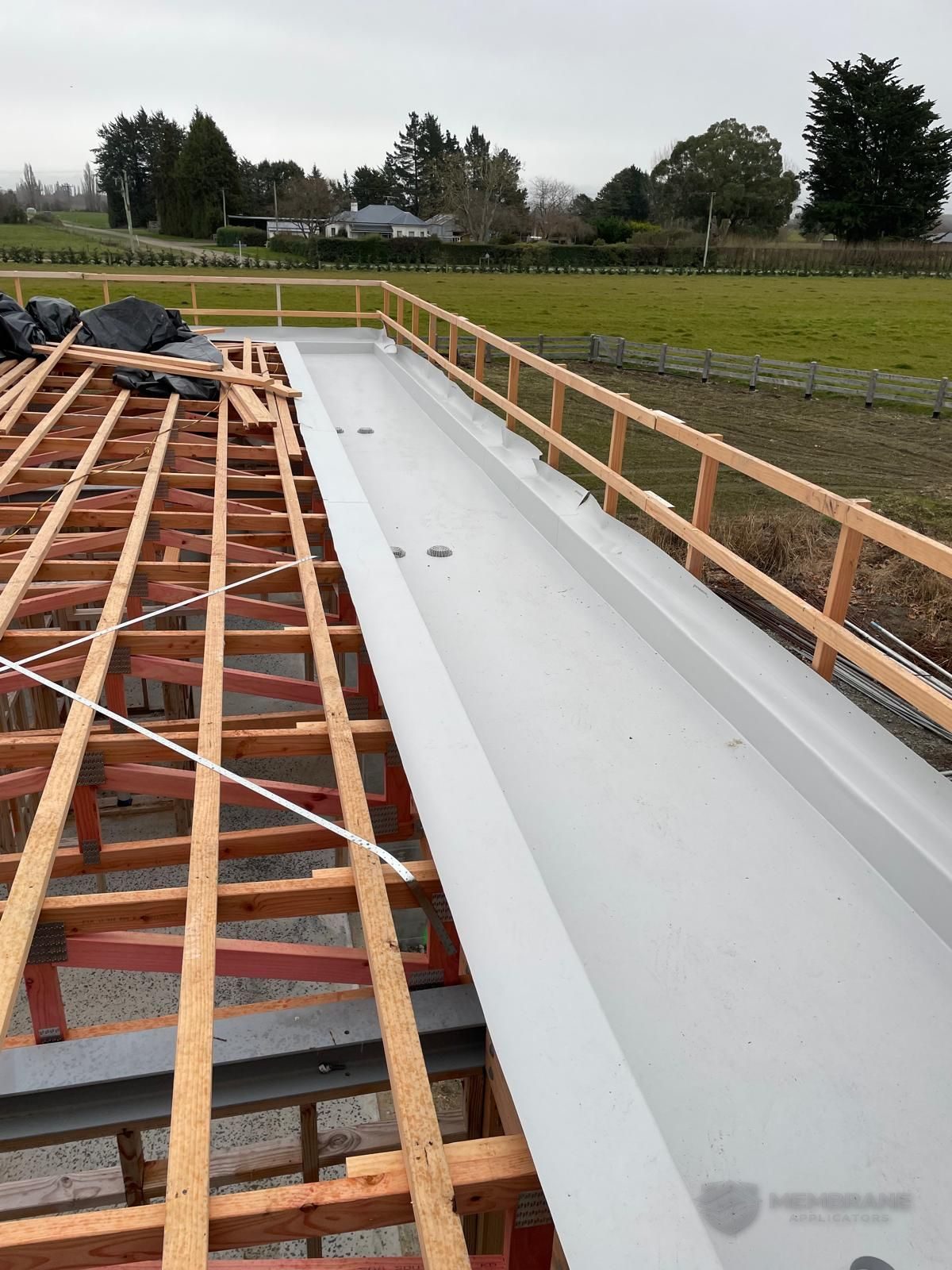
TPO Box Gutters in Auckland: Waterproofing Internal Gutters
Internal and box gutters face heavy rainfall and coastal weather in Auckland. Learn how heat-welded TPO membrane protects these high-risk roof channels from costly leaks.
Read moreTPO Warm Roof Insulation: Benefits for Auckland Flat Roofs
Learn how pairing rigid insulation with a heat-welded TPO membrane creates a warm roof system that helps manage condensation and comfort on Auckland buildings.
Read more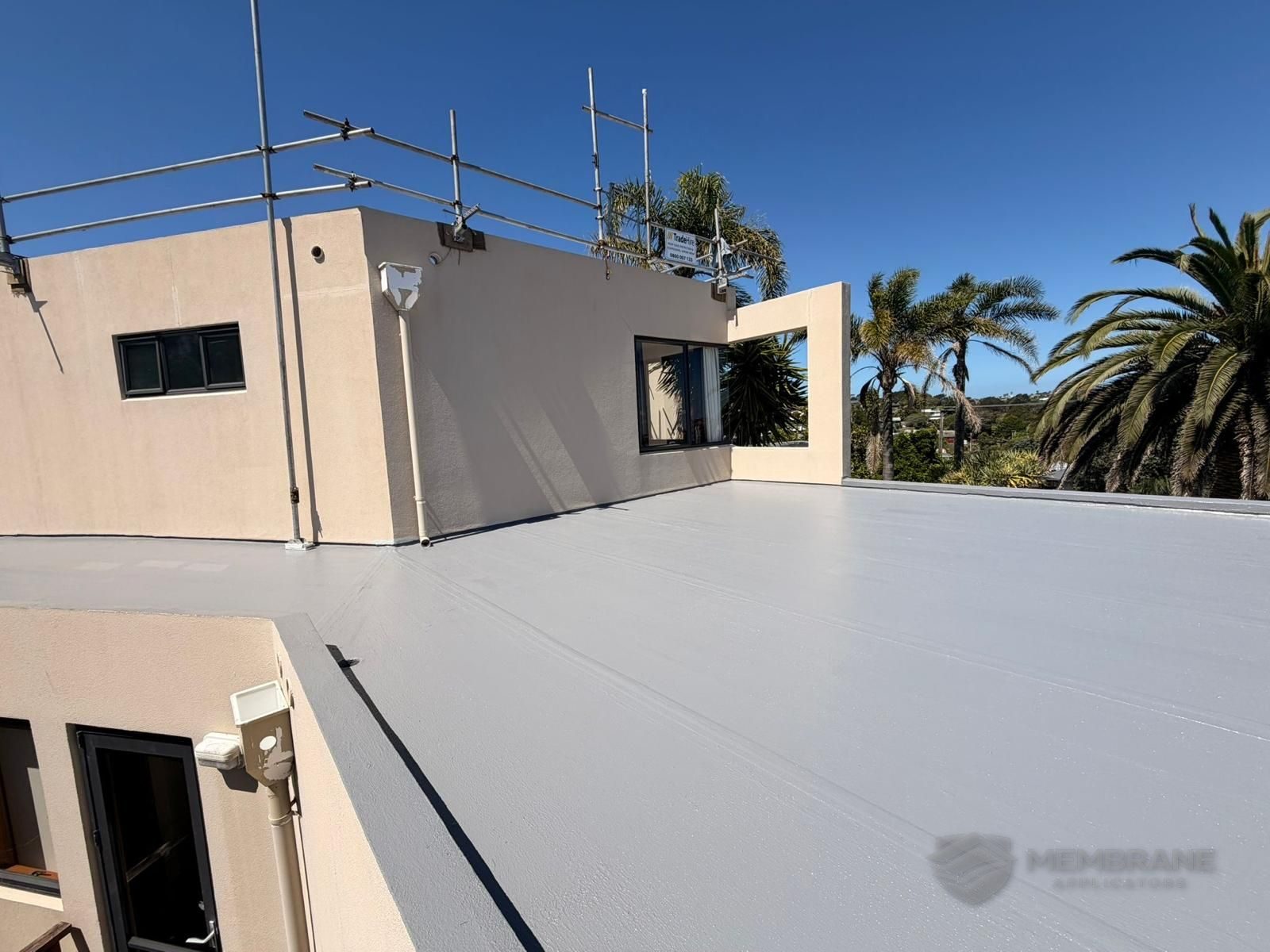
Liquid Membrane Over TPO: Restore or Replace in Auckland?
Wondering whether an ageing TPO roof in Auckland needs replacement or a liquid-applied coating? Learn how property owners weigh roof condition, moisture, and value.
Read more