
TPO Roofing
TPO Flat Roof Maintenance Guide: Protecting Your Auckland Property
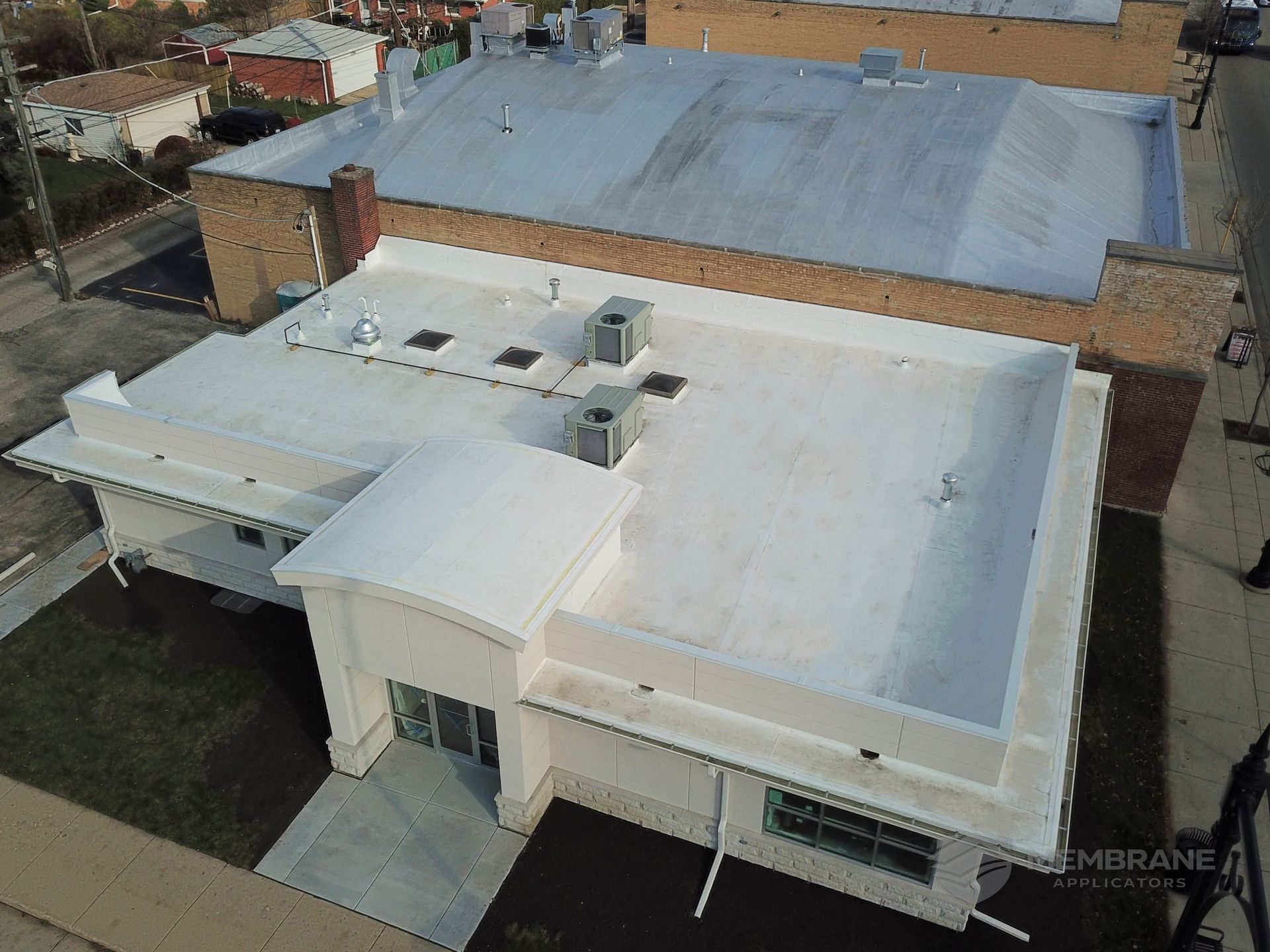
Maintaining a TPO flat roof in Auckland requires consistent care to manage the local humidity and weather conditions. Discover the essential steps to protect your investment.
Why Maintenance Matters for TPO Membranes in Auckland
Auckland’s unique maritime climate—characterised by high humidity, intense UV levels, and sudden bursts of heavy rain—places significant stress on any roofing system. While TPO (Thermoplastic Polyolefin) membrane is renowned for its durability and resistance to many of these factors, it is not a 'set and forget' solution. Regular maintenance is essential for ensuring that your roof continues to perform as intended and achieves its maximum possible lifespan.
In many cases, property owners who neglect their flat roofs find that small, easily fixable issues escalate into significant structural problems. Water ingress is often subtle; by the time a leak is visible inside the building, the underlying insulation and timber framing may already have sustained damage. A proactive maintenance schedule typically helps avoid these costly emergency repairs and protects the overall value of your asset.
The Seasonal Maintenance Checklist for New Zealand Conditions
Maintaining a TPO roof in New Zealand involves adapting to the specific seasonal challenges our environment presents. Generally, it is recommended to conduct a thorough inspection at least twice a year—ideally in autumn and spring.
Autumn: Clearing Debris
In leafy Auckland suburbs like Ponsonby, Epsom, or Titirangi, autumn brings a significant amount of organic debris. Leaves, twigs, and seeds can accumulate quickly on flat roof surfaces. If left unchecked, this organic matter traps moisture against the membrane and can eventually lead to the growth of moss and lichen. More importantly, debris frequently migrates toward drainage points, leading to blockages that cause water to pond.
Winter: Monitoring Drainage
During the wetter winter months, the primary concern is how effectively the roof handles high volumes of water. After a heavy Auckland downpour, it is wise to check for 'ponding'—water that remains on the roof surface for more than 48 hours. While TPO is highly resistant to standing water, excessive ponding can put unnecessary weight on the structure and indicates a potential drainage issue that needs addressing.
Spring: Cleaning and Treatment
Spring is the ideal time to wash away the winter grime. Dust, pollen, and sea salt spray (common in coastal areas like the North Shore or Eastern Bays) can build up on the white surface of the TPO. A clean roof reflects more sunlight, which typically keeps the building cooler and reduces thermal stress on the membrane. This is also the best time to apply any necessary moss or lichen treatments using approved products.
Summer: UV and Heat Inspection
While TPO is engineered to withstand high UV, the intense New Zealand sun can still impact roof accessories and penetrations. Summer inspections should focus on the condition of sealants around non-welded penetrations and the overall integrity of any exposed hardware.
Practical Steps for Cleaning Your TPO Roof
Cleaning a TPO membrane is relatively straightforward, but using the correct technique is vital to avoid damaging the surface. Generally, you should avoid using high-pressure water blasters directly on the membrane or its seams, as the force can potentially compromise the heat-welded joints if there is an existing weakness.
- Remove Loose Debris: Start by using a soft-bristle broom to sweep away leaves and dirt.
- Use Mild Cleaning Agents: In most cases, a solution of mild dish soap and warm water is sufficient. Avoid using petroleum-based products, harsh acids, or abrasive cleaners, as these can chemically degrade the TPO material.
- Soft Scrubbing: Use a soft-bristle brush to gently scrub areas with stubborn dirt or algae growth.
- Rinse Thoroughly: Use a garden hose at normal pressure to rinse the entire roof. Ensure that all soap residue is washed away, as dried soap can become slippery and may attract more dirt over time.
Inspecting Flashings and Penetrations
The vast majority of leaks on flat roofs do not occur in the field of the membrane itself, but rather at the 'terminations'—where the roof meets a wall, a skylight, or a vent pipe. These critical points require extra attention during your maintenance rounds.
Welded Seams
TPO roofs are joined using hot-air welding, creating a monolithic sheet. While these welds are incredibly strong, they should be visually inspected for any signs of 'fish-mouthing' (where the edge of the lap begins to lift) or cracking. In many cases, these can be re-welded by a professional if caught early.
Skylights and HVAC Units
Check the base of all skylights and air conditioning units. Ensure that the flashing is secure and that no debris is trapped behind the units, which can create a damming effect. Sealants used around cable entries or small pipes should be checked for brittleness or peeling.
Parapet Walls and Upstands
Ensure that the membrane extending up the parapet walls is still firmly attached and that the metal capping on top of the wall is secure. Any loose flashings can allow wind-driven rain to get behind the membrane, leading to leaks that are notoriously difficult to trace.
Addressing Ponding Water and Drainage Failure
Efficient drainage is the lifeblood of a successful flat roof. If water is not leaving the roof quickly, it is generally a sign that either the internal outlets or the external scuppers are restricted.
- Check Internal Outlets: Many Auckland commercial buildings use internal drains. These should have leaf cages installed to prevent blockages. Ensure the cages are clear and firmly in place.
- Inspect Scuppers and Gutters: For roofs that drain to the perimeter, check the scuppers (the holes through the parapet) for any obstructions. If your roof drains into a box gutter, ensure the gutter itself is clean and the downpipes are flowing freely.
- Identify Low Spots: If you notice consistent ponding in the same area despite clear drains, the roof structure may have settled slightly. This typically requires a professional assessment to determine if additional drainage or a tapered insulation system is needed.
When to Call the Professionals
While property owners can perform basic cleaning and visual inspections, certain tasks should always be left to experienced technicians. Safety is the primary concern; working on a wet or steep-pitched roof carries inherent risks.
Furthermore, identifying technical failures in the membrane or performing repairs requires specialist tools and training. Heat-welding repairs on older TPO membranes requires specific surface preparation that is difficult to achieve without the right equipment. A professional inspection typically provides a more in-depth analysis of the roof's health, including moisture probes if an underlying leak is suspected.
Generally, having a professional roof inspection once a year is a wise investment for Auckland property owners. It provides peace of mind and ensures that your TPO membrane remains in top condition to face whatever the New Zealand weather throws at it.
If you have concerns about the current state of your flat roof or simply want to ensure it is ready for the coming season, we are here to help. Our team can provide a detailed assessment of your membrane's condition and suggest any necessary maintenance steps.
Book a Roof Inspection today to protect your property, or Contact Us for more information on TPO membrane care. If you are considering a new installation or a full replacement, you can Request a Quote to get started.
Keep Reading
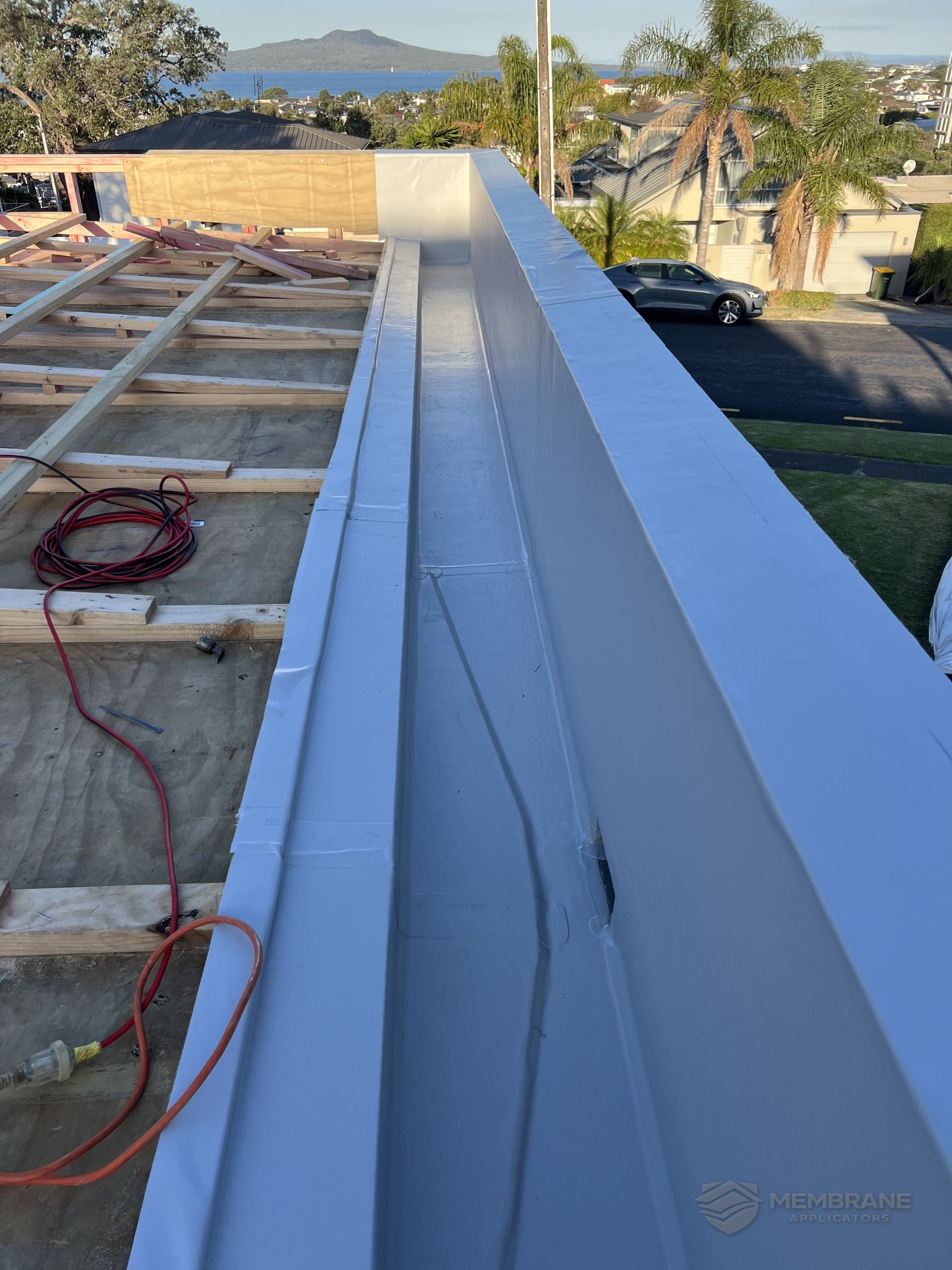
TPO Roofing in Auckland: Best Solutions for the Local Climate
Discover why TPO membrane is the ideal choice for Auckland's unique weather, offering superior UV resistance and durability for flat and low-pitch roofs.
Read more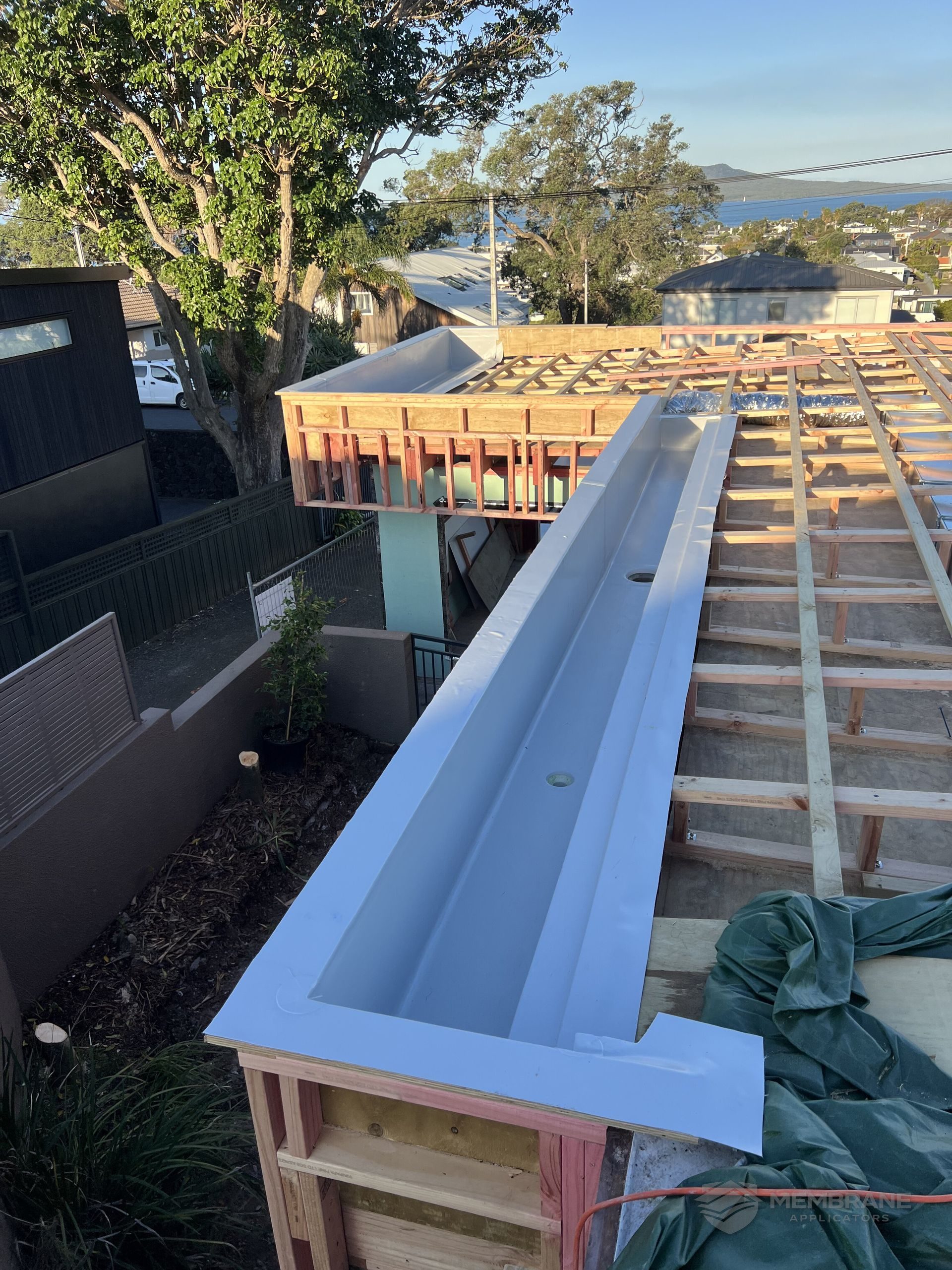
Commercial TPO Roofing: Durable Solutions for Auckland Businesses
TPO membrane roofing offers Auckland commercial property owners a durable, energy-efficient solution for flat roofs, providing exceptional weather resistance and long-term waterproofing performance.
Read more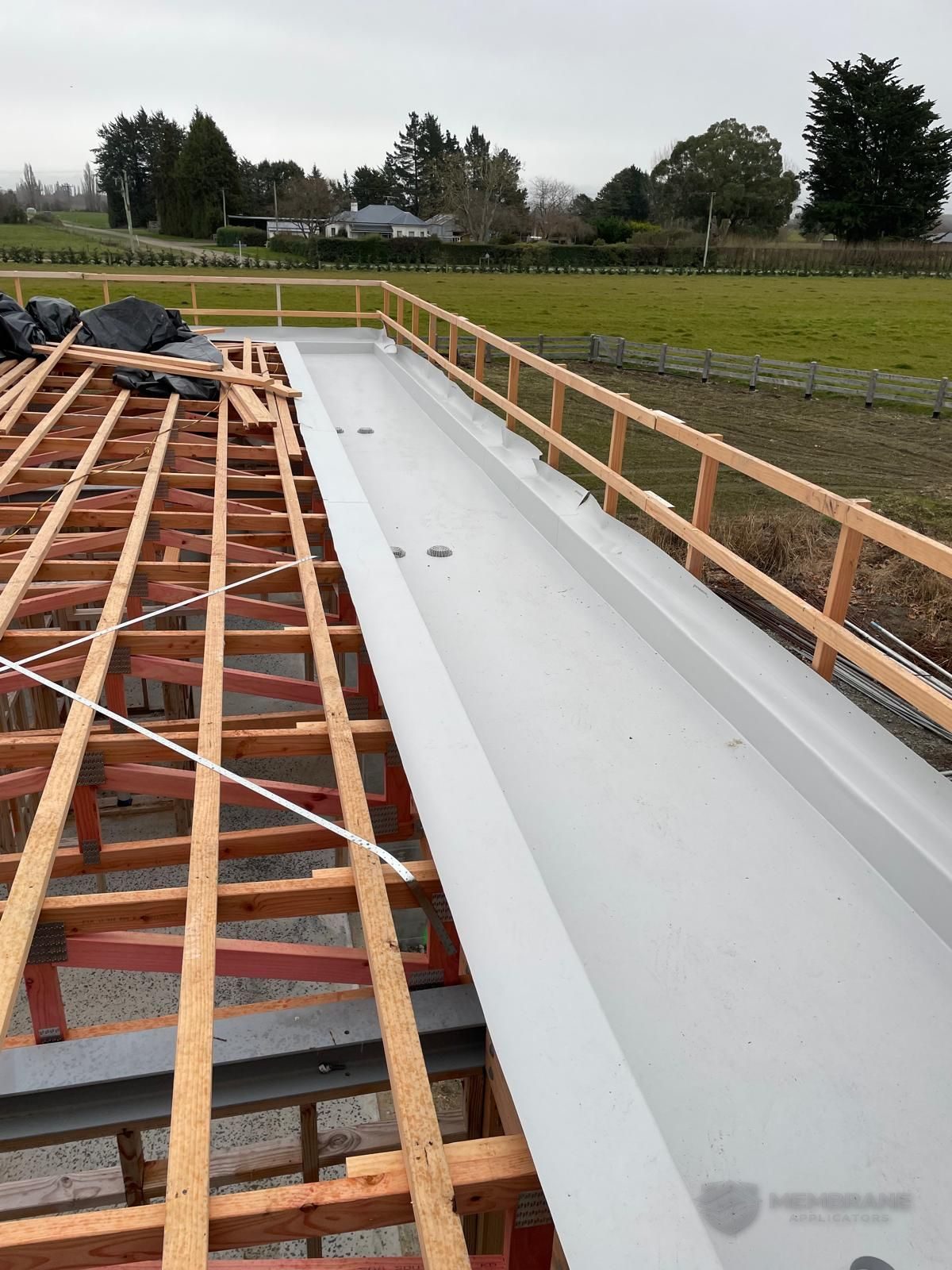
TPO Membrane Repairs: How to Fix Flat Roof Leaks in Auckland
Is your TPO roof showing signs of wear or leaking? Learn the essential steps for TPO membrane repairs and how to maintain your Auckland property's flat roof.
Read more