
TPO Roofing
TPO Flat Roof Drainage: Preventing Ponding Water in Auckland
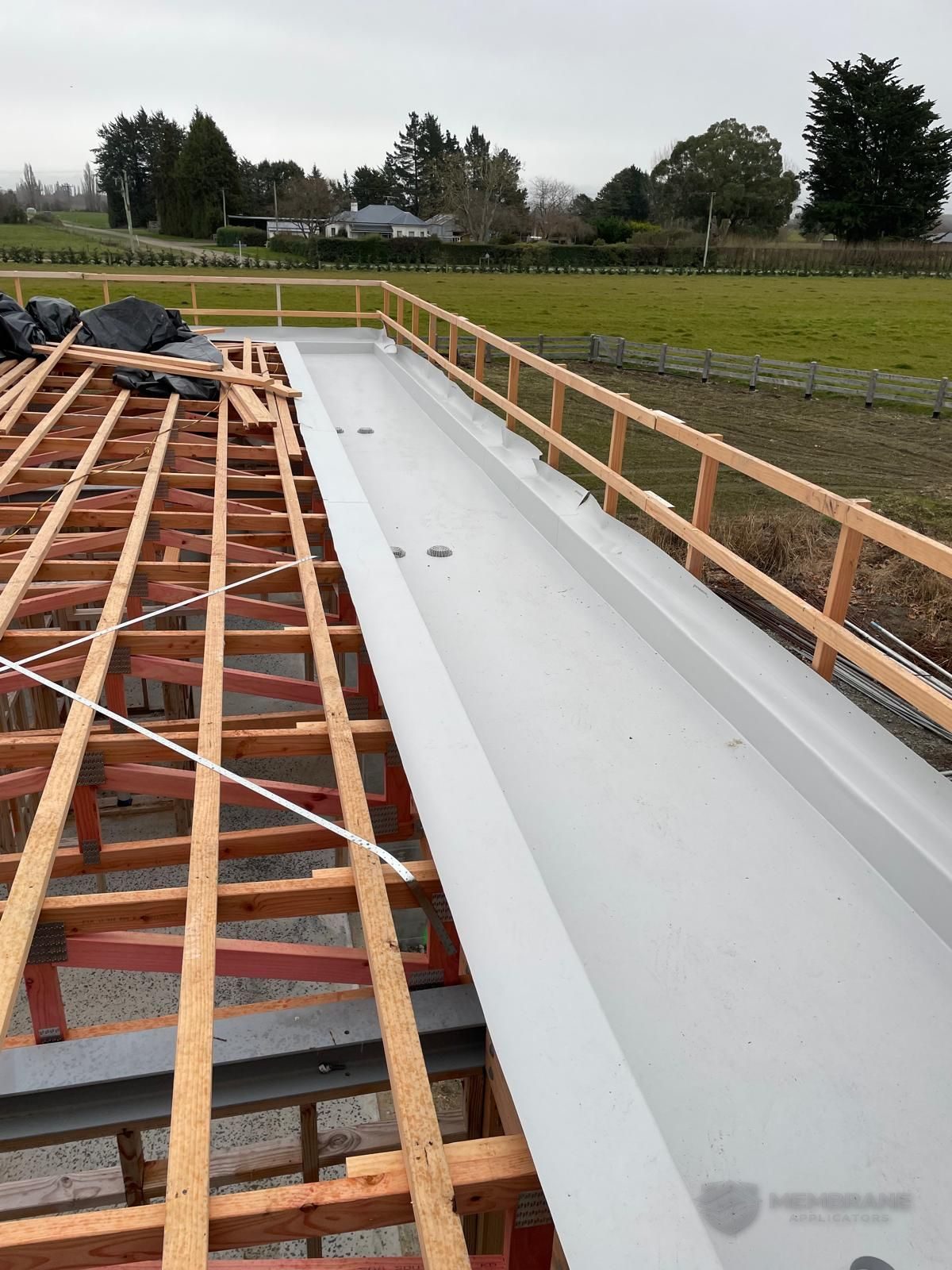
Learn how proper drainage systems for TPO membrane roofs prevent water ponding and extend the life of your Auckland flat roof.
Why Drainage Matters for TPO Flat Roofs in Auckland
In a city known for its sudden downpours and high annual rainfall, Auckland property owners must pay close attention to how water leaves their roofs. While TPO (Thermoplastic Polyolefin) is an exceptional waterproofing membrane, its effectiveness is intrinsically linked to the performance of the underlying drainage system. Without adequate falls and clear outlets, even the best-welded membrane can face challenges from ponding water.
Ponding water is generally defined as water that remains on a flat roof for more than 48 hours after a rain event. In the Auckland climate, where humidity can be high, persistent standing water can lead to several issues. Although TPO is highly resistant to moisture, long-term ponding can collect silt and debris, which may degrade the surface over many years or encourage the growth of algae and moss.
Understanding Roof Falls and Slopes
The design of a flat roof is rarely truly flat. Typically, a minimum fall of 1:80 is required in New Zealand to ensure that water gravity-feeds toward outlets. For new builds in Auckland, architects and membrane applicators often aim for a slightly steeper pitch where possible to account for structural deflections.
If your existing roof has low spots where water collects, there are several ways to address this during a TPO reroof. One common method is the use of tapered insulation. These are custom-cut boards that create a slight incline, directing water toward the gutters or internal drains without needing to modify the structural timber or concrete slab.
The Role of Internal Drains
Commercial buildings and modern Auckland residences often utilise internal drainage systems. These consist of a sump or drain head located at the low points of the roof, connected to downpipes that run inside the building's structure.
When installing TPO around an internal drain, the membrane is typically heated and welded directly to a compatible TPO-coated flange. This creates a seamless, monolithic bond that prevents leaks at the most critical point—where the water is concentrated. Using high-quality TPO-compatible outlets is essential for long-term performance in our local environment.
Scuppers and Overflow Systems
For roofs with parapet walls, scuppers are often used. These are openings in the wall that allow water to exit into an external rain head and downpipe. In many cases, Auckland building regulations require the installation of overflow scuppers. These sit slightly higher than the primary drain and serve as a fail-safe. If the main drain becomes blocked by leaves or debris, the overflow prevents water from rising above the level of the flashings and entering the building interior.
Common Drainage Challenges in Auckland
Auckland’s lush greenery is a common source of drainage problems. Deciduous trees can quickly fill gutters and sumps with leaves, especially during autumn or after a heavy storm. When a drain is blocked, water can back up, creating a significant weight load on the structure.
Furthermore, the rapid temperature shifts we experience can lead to thermal movement. TPO membranes are designed to be flexible, but the drainage components—such as metal rain heads or PVC downpipes—must be integrated correctly to allow for this movement without compromising the seals.
Maintenance Tips for Better Drainage
Maintaining your TPO roof’s drainage system is one of the simplest ways to protect your investment. Generally, we recommend the following:
- Regular Inspections: Check your drains at least twice a year, ideally before winter and after the peak of autumn.
- Clear Debris: Remove any leaves, twigs, or silt that have accumulated near outlets or in gutters.
- Check Grates: Ensure that all leaf grates are securely in place to prevent large items from entering the downpipes.
- Monitor Ponding: After a heavy rain, take a look at the roof from a safe vantage point to see if water is clearing within a reasonable timeframe.
Designing for Longevity
When planning a TPO installation, the drainage layout should be considered from the outset. In many cases, adding extra outlets or increasing the size of scuppers can significantly improve the resilience of the roof system. For Auckland homes with complex rooflines, a combination of internal drains and external gutters may be the most effective solution.
The goal is to move water off the roof as quickly as possible. A well-designed TPO system with robust drainage typically provides peace of mind for property owners, knowing that even during the heaviest Auckland storm, their asset remains protected.
Conclusion
A TPO membrane provides a superior waterproofing barrier, but its success is supported by the efficiency of the roof's drainage. By ensuring proper falls, high-quality outlets, and regular maintenance, you can prevent the risks associated with ponding water and ensure your Auckland flat roof performs for decades.
If you are concerned about water collecting on your flat roof or are planning a new project, it is vital to consult with professionals who understand the specific demands of the New Zealand climate.
Contact Us today to discuss your TPO roofing needs or Book a Roof Inspection to evaluate your current drainage system. For a detailed assessment of your project, you can also Request a Quote.
Keep Reading
TPO Box Gutters in Auckland: Waterproofing Internal Gutters
Internal and box gutters face heavy rainfall and coastal weather in Auckland. Learn how heat-welded TPO membrane protects these high-risk roof channels from costly leaks.
Read more
TPO Warm Roof Insulation: Benefits for Auckland Flat Roofs
Learn how pairing rigid insulation with a heat-welded TPO membrane creates a warm roof system that helps manage condensation and comfort on Auckland buildings.
Read more
Liquid Membrane Over TPO: Restore or Replace in Auckland?
Wondering whether an ageing TPO roof in Auckland needs replacement or a liquid-applied coating? Learn how property owners weigh roof condition, moisture, and value.
Read more