
TPO Roofing
New Build TPO Roofing: The Modern Choice for Auckland Homes
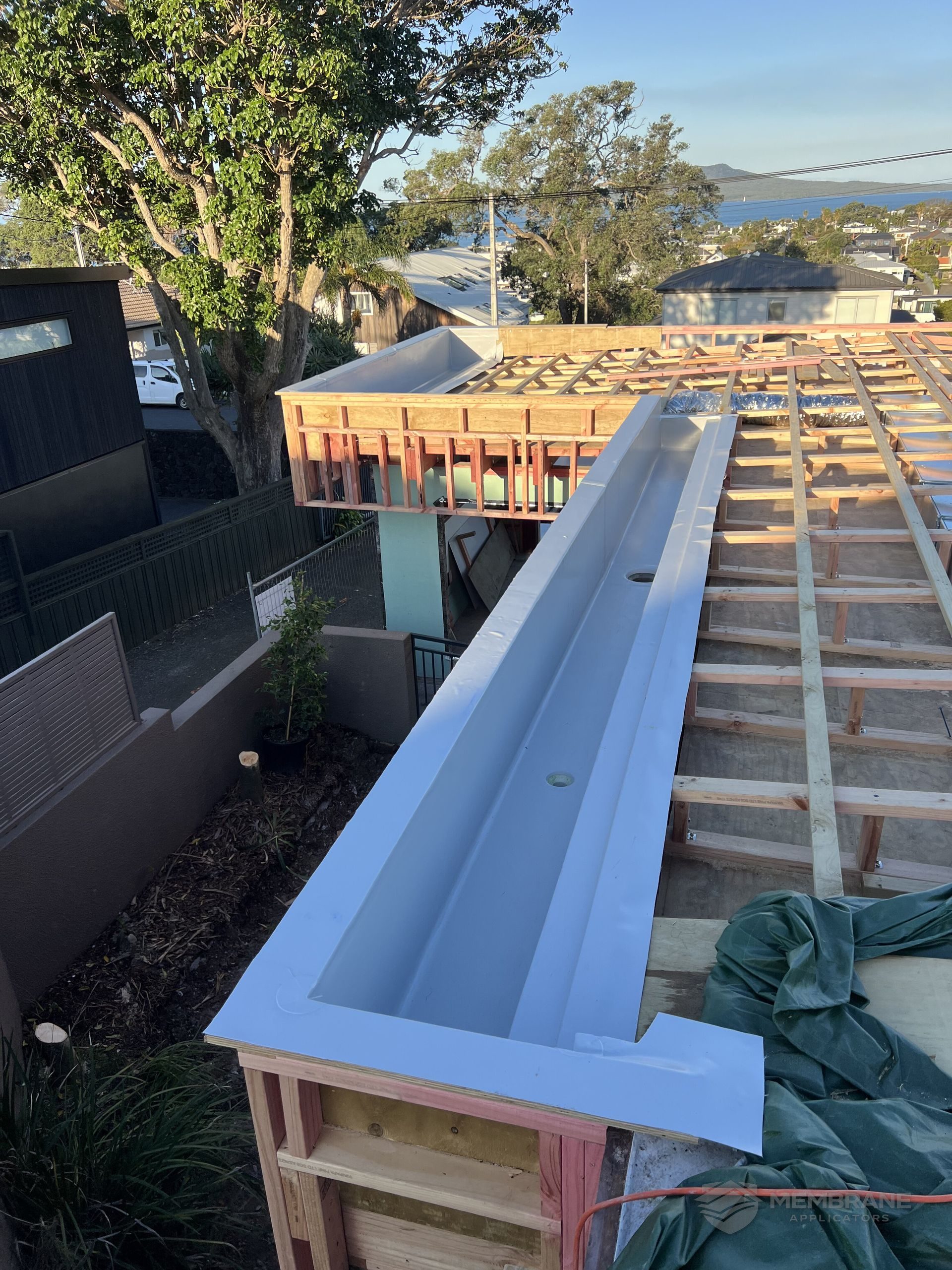
Discover why TPO roofing is becoming the go-to solution for new residential and commercial builds in Auckland's unique coastal climate.
Why New Builds in Auckland are Turning to TPO Roofing
When designing a new home or commercial building in Auckland, the choice of roofing material is one of the most critical decisions a property owner will make. Auckland’s unique environment—characterized by high UV exposure, salt-laden air, and frequent rainfall—demands a roofing system that is both durable and energy-efficient. Increasingly, Thermoplastic Polyolefin (TPO) membrane roofing is emerging as the preferred choice for modern flat and low-slope roofs across the region.
In this guide, we explore why TPO is perfectly suited for new builds in the Auckland context and what you should consider when planning your roofing system.
The Rise of Modern Architecture and Flat Roofs
Modern architectural trends in Auckland often favor clean lines and minimalist designs, which frequently include flat or low-slope roof profiles. While these designs are aesthetically pleasing, they require a robust waterproofing solution. Unlike traditional pitched roofs that rely on gravity to shed water, flat roofs must be perfectly sealed to prevent ponding and leaks. TPO membrane roofing provides a seamless, heat-welded barrier that is specifically engineered for these applications.
Benefits of TPO for New Construction
1. Exceptional Durability and Weather Resistance
Auckland’s weather can be unpredictable. From the scorching summer sun to sudden winter downpours, your roof needs to handle it all. TPO membranes are typically formulated to resist UV radiation and heat aging. This is particularly important in New Zealand, where the UV index is significantly higher than in many other parts of the world. The material generally remains flexible throughout its lifespan, allowing it to accommodate the natural expansion and contraction of a new building as it settles.
2. Energy Efficiency and Cool Roof Properties
Most TPO membranes used in Auckland are white or light grey. These reflective surfaces are often referred to as 'cool roofs' because they reflect a significant portion of the sun's solar energy back into the atmosphere. For a new build, this can lead to lower indoor temperatures during the summer months, potentially reducing the load on air conditioning systems and lowering energy costs. In a city where sustainability is becoming a key focus for new developments, the energy-saving potential of TPO is a major drawcard.
3. Speed of Installation
During a new build, managing the construction timeline is essential. TPO membranes are typically available in wide rolls, which allows for faster coverage of large roof areas compared to smaller sheet products. The seams are heat-welded using specialized equipment, creating a bond that is actually stronger than the membrane itself. This efficient installation process helps keep the project on schedule, allowing other trades to begin their work sooner.
Designing Your New TPO Roof
When planning a TPO roof for a new build, several factors need to be integrated into the design phase:
- Substrate Selection: TPO can be installed over various substrates, including plywood or rigid insulation boards (warm roof systems). Typically, the choice of substrate will depend on the building's thermal requirements and structural design.
- Drainage and Falls: Even though it is a 'flat' roof, a TPO system requires a slight fall to ensure water moves toward internal drains or gutters. Getting these levels right during the framing stage is vital for long-term performance.
- Penetrations: New builds often involve multiple roof penetrations for vents, skylights, and HVAC units. TPO is highly versatile, allowing for custom-welded flashings around these penetrations to ensure a watertight seal.
Why TPO Outperforms Traditional Materials in NZ
In many cases, TPO is chosen over traditional materials like Butynol or bitumen-based products because of its superior seam strength and resistance to chemicals and pollutants. In Auckland’s coastal areas, the salt-resistant nature of TPO is a significant advantage. It does not corrode like metal roofing and does not require the same level of intensive maintenance as older membrane technologies.
Environmental Impact
TPO is generally considered a more environmentally friendly option compared to other roofing membranes. It is 100% recyclable at the end of its service life and contains no plasticizers or halogen-based flame retardants. For Aucklanders looking to build 'green,' TPO aligns well with sustainable building practices.
Maintaining Your New Roof
While TPO is low-maintenance, it is not no-maintenance. We generally recommend that new property owners schedule a professional roof inspection at least once a year. This involves clearing debris from drains and checking the integrity of flashings and seams. By staying proactive, you can ensure your new build remains protected for decades to come.
Conclusion
Choosing TPO roofing for your new Auckland build is an investment in durability, energy efficiency, and modern design. Its ability to withstand the local climate while providing a clean, contemporary look makes it an ideal solution for residential and commercial projects alike.
If you are currently in the planning or construction phase of a new build, it is worth exploring how a TPO membrane system can benefit your property.
Request a Quote or Contact Us today to discuss your project requirements and learn more about our TPO installation services.
Book a Roof Inspection
Keep Reading
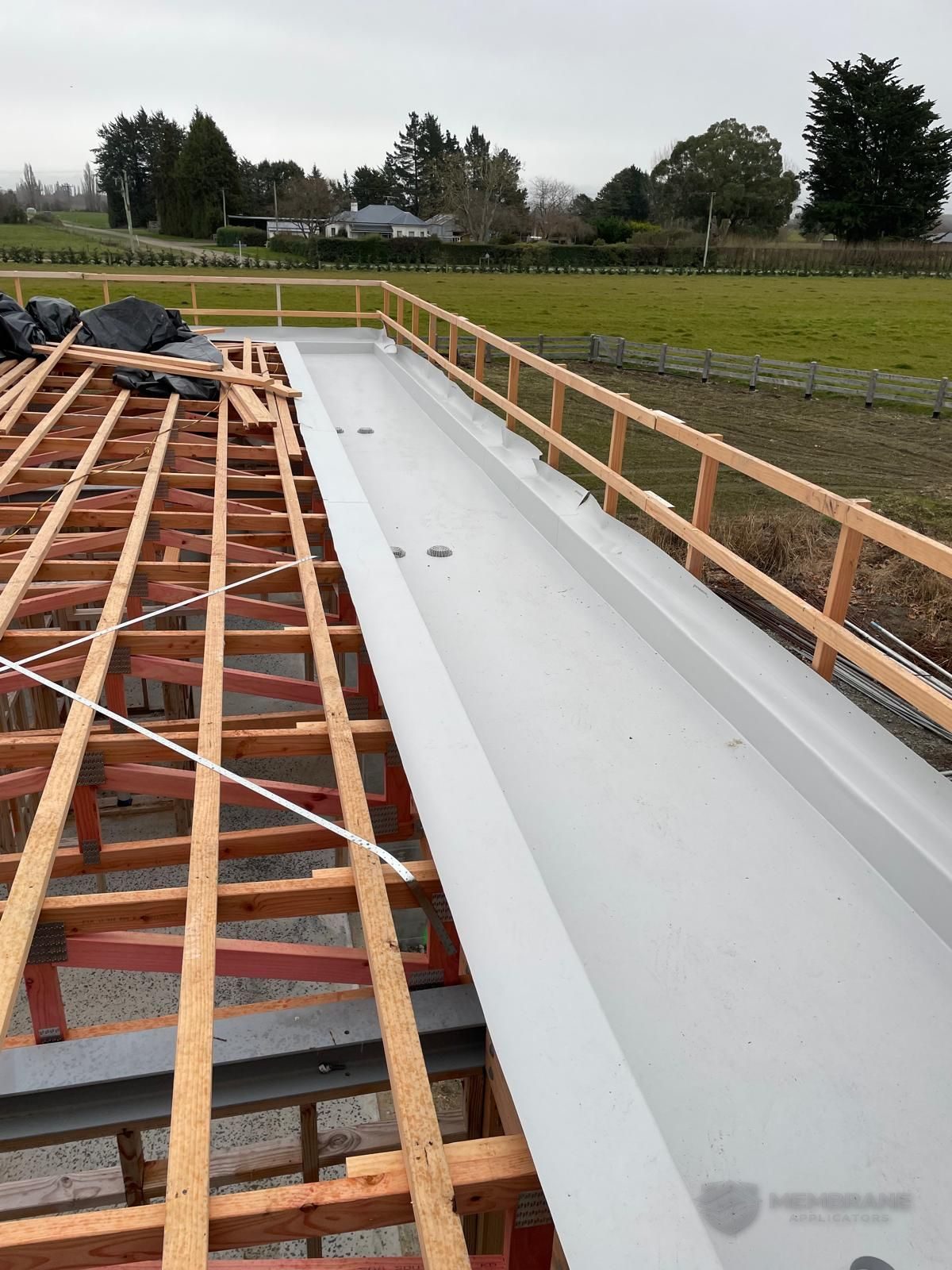
TPO Box Gutters in Auckland: Waterproofing Internal Gutters
Internal and box gutters face heavy rainfall and coastal weather in Auckland. Learn how heat-welded TPO membrane protects these high-risk roof channels from costly leaks.
Read more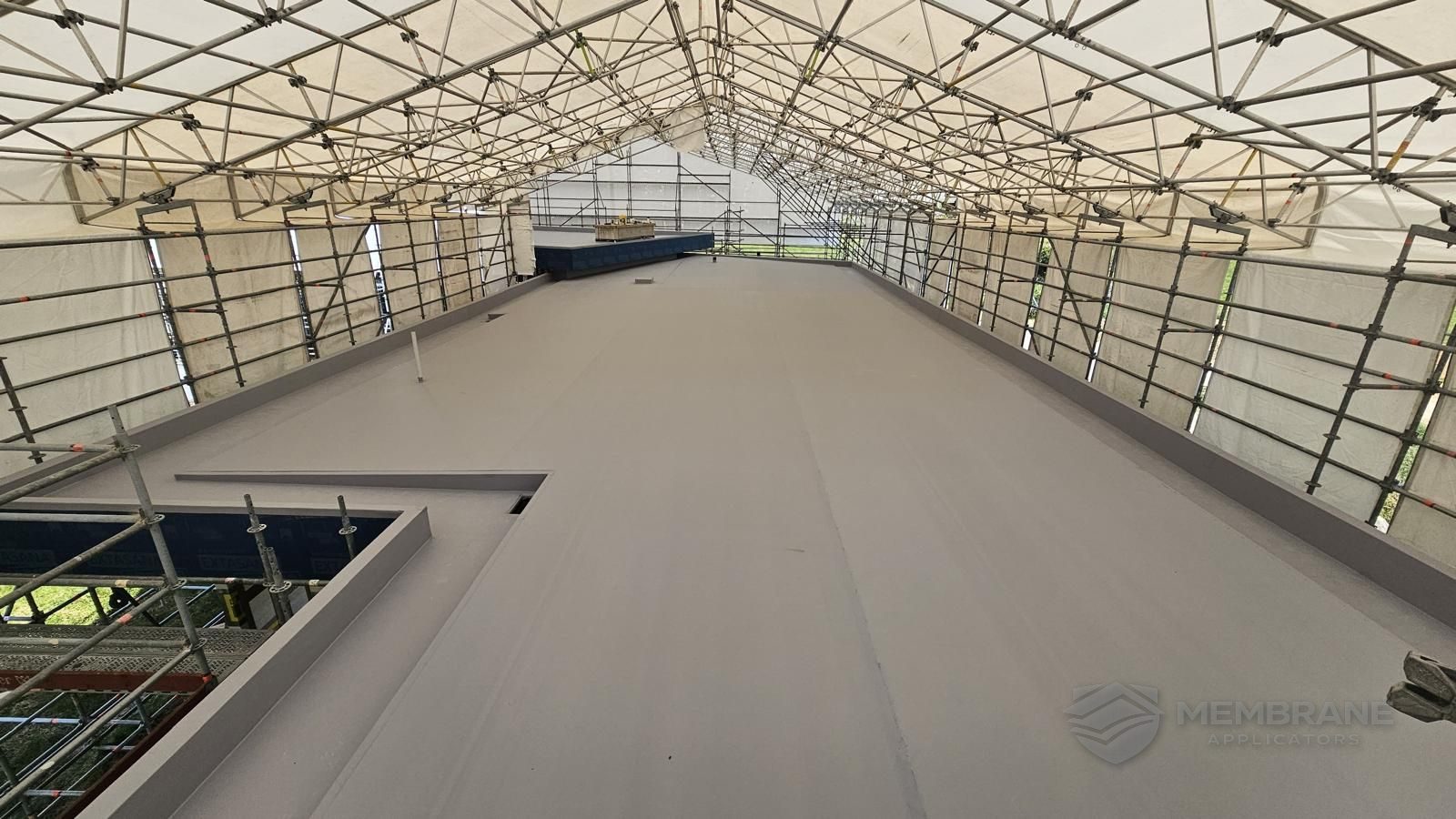
TPO Warm Roof Insulation: Benefits for Auckland Flat Roofs
Learn how pairing rigid insulation with a heat-welded TPO membrane creates a warm roof system that helps manage condensation and comfort on Auckland buildings.
Read more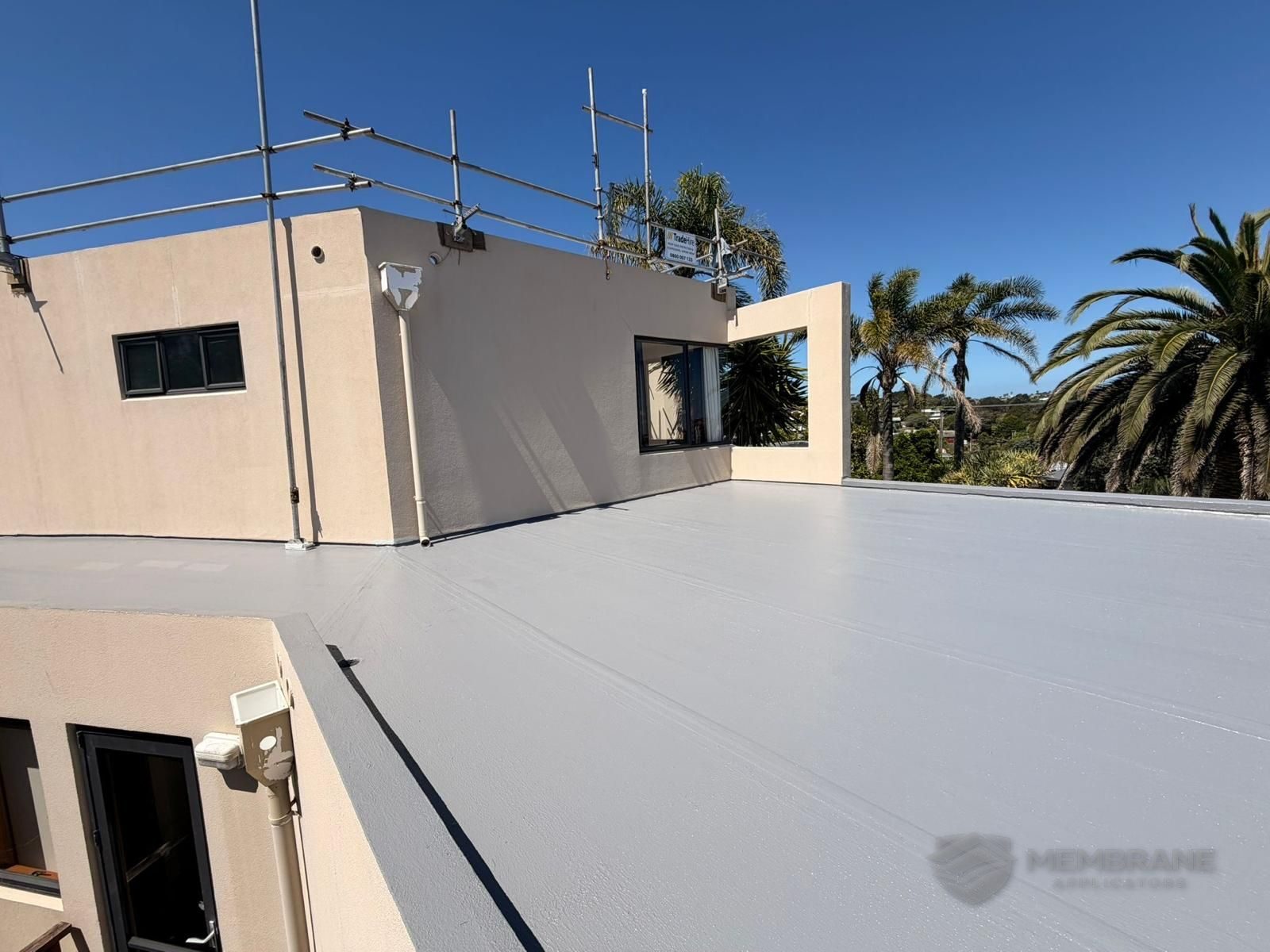
Liquid Membrane Over TPO: Restore or Replace in Auckland?
Wondering whether an ageing TPO roof in Auckland needs replacement or a liquid-applied coating? Learn how property owners weigh roof condition, moisture, and value.
Read more