
TPO Roofing
TPO Roofing Winter Prep: A Guide for Auckland Property Owners
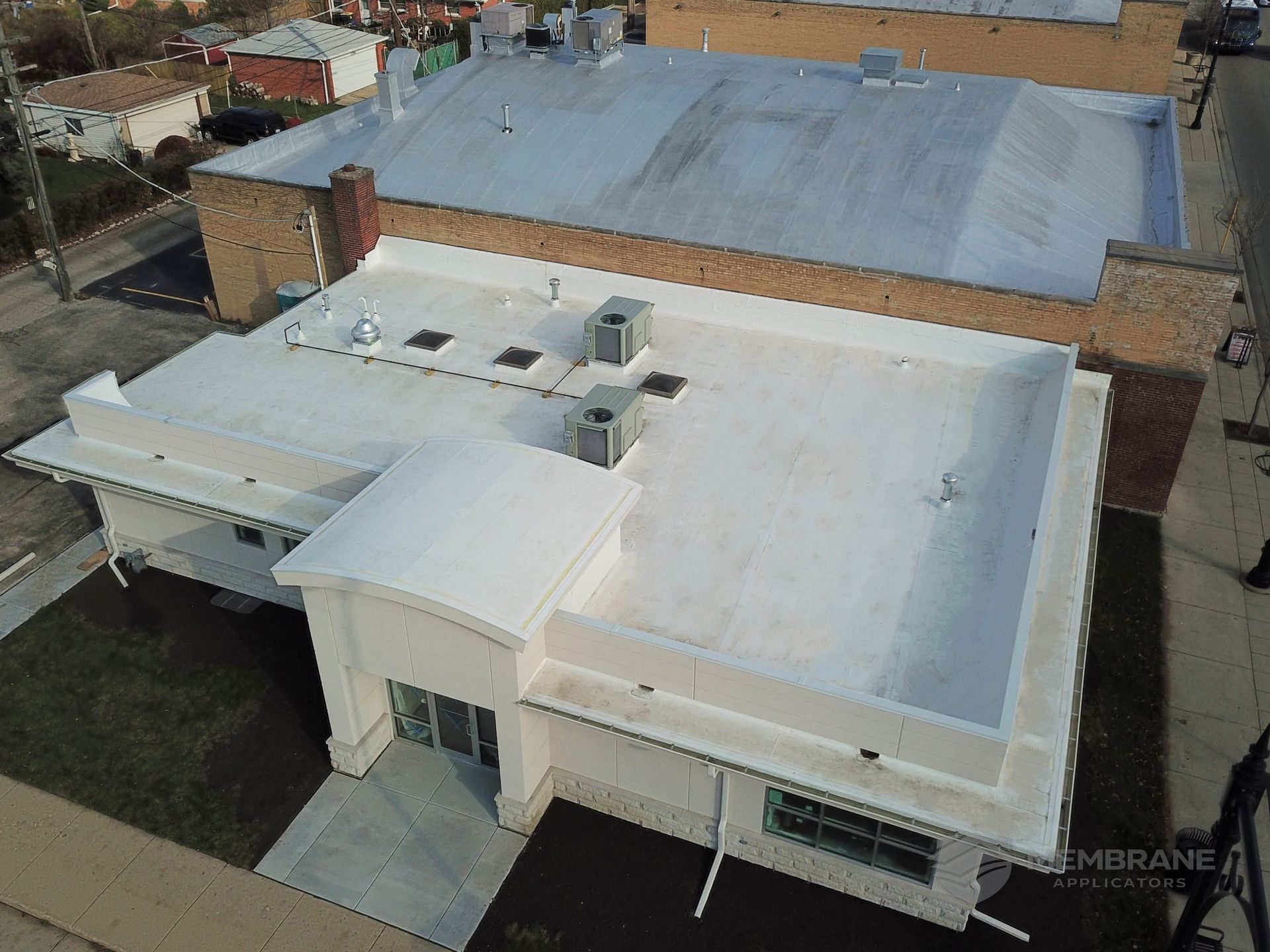
Ensure your Auckland property stays dry during wet winters with our essential TPO roofing winter preparation guide. Learn how to protect your investment today.
Preparing Your TPO Roof for Auckland's Winter Season
As the temperature drops and the rain clouds gather over the Hauraki Gulf, Auckland property owners know that winter is on its way. For those with flat or low-pitch roofs, this season brings specific challenges. TPO (Thermoplastic Polyolefin) membranes are renowned for their durability and weather resistance, but even the best roofing system typically benefits from a bit of pre-winter attention. In this guide, we will explore why winter preparation is essential and how you can ensure your TPO roof remains watertight through the wettest months of the year.
Why Winter Prep Matters for TPO Membranes
Auckland’s winter is generally characterised by consistent rainfall rather than extreme snow, but the sheer volume of water can test any roofing system. TPO membranes are designed to be heat-welded at the seams, creating a monolithic surface that is highly resistant to leaks. However, factors like debris accumulation and drainage issues can lead to ponding water, which, if left unaddressed, may cause stress on the membrane over time.
Taking a proactive approach to maintenance before the first big winter storm hits is typically the most effective way to avoid emergency repairs. By following a simple preparation routine, you can extend the life of your roof and maintain the thermal efficiency that TPO is known for.
1. Clear Debris and Gutters
The most common cause of flat roof issues during an Auckland winter isn't actually a failure of the membrane itself, but rather a failure of the drainage system. Falling leaves, twigs, and general urban debris can quickly clog internal gutters, scuppers, and downpipes.
When water cannot exit the roof, it begins to pond. While TPO is generally very good at handling standing water, excessive weight and prolonged exposure can eventually lead to issues at the penetrations or upstands. We typically recommend clearing all gutters and checking that water flows freely through all outlets. If your property is surrounded by large trees, this may need to be done more frequently.
2. Inspect the Welded Seams
The strength of a TPO roof lies in its seams. During a pre-winter inspection, it is important to check the integrity of these welds. Although TPO seams are typically stronger than the membrane itself, extreme temperature fluctuations can sometimes cause stress points.
Look for any signs of lifting or 'fish-mouths' along the edges. In many cases, these can be easily repaired with a hot-air welder before they turn into actual leaks. Catching these small issues in autumn ensures that your building remains secure when the heavy winter rains arrive.
3. Check Roof Penetrations and Flashings
Most leaks on a membrane roof occur not in the field of the roof, but around penetrations such as skylights, vents, and HVAC units. Auckland’s wind-driven rain can find even the smallest gap in a flashing.
Ensure that all sealants around these areas are still flexible and intact. If the sealant has become brittle or cracked, it should be replaced. TPO-specific flashings should be checked to ensure they are still tightly bonded to the main membrane. This is also a good time to check upstands where the roof meets a wall or parapet.
4. Evaluate the Membrane Surface
Take a close look at the TPO membrane itself. While TPO is highly resistant to UV and chemical exposure, physical damage can occur from foot traffic or fallen objects. Check for any punctures, tears, or significant abrasions.
Because TPO is a thermoplastic, repairs are generally straightforward as new material can be welded to the existing roof. However, this is best done in dry conditions, making it an ideal pre-winter task. A clean, intact surface ensures that the white, reflective properties of the TPO continue to provide energy savings by keeping the building's interior temperature stable.
The Auckland Context: Managing Wind and Rain
In Auckland, we don't just deal with rain; we deal with wind-driven rain. Our coastal environment means that salt spray and high winds are part of the winter experience. TPO is an excellent choice for this climate because it does not become brittle in the cold and remains flexible enough to accommodate the natural movement of the building.
However, the wind can also blow debris into hard-to-reach corners of a flat roof. During your winter prep, pay special attention to the windward side of the building and ensure that any loose equipment on the roof is properly secured.
Professional Inspections vs. DIY Maintenance
While property owners can certainly handle basic tasks like clearing gutters, a comprehensive winter preparation typically involves a professional eye. A qualified applicator can perform a 'probe test' on the seams and check for subtle signs of wear that might be missed by the untrained eye.
If you haven't had your roof looked at in the last twelve months, now is the time to act. A small investment in maintenance today can prevent a costly emergency during a winter storm.
Summary Checklist for Winter Prep:
- Clear all leaves and debris from the roof surface.
- Flush out all gutters, scuppers, and downpipes.
- Inspect all heat-welded seams for signs of lifting.
- Check sealants around vents, skylights, and chimneys.
- Verify that all flashings and upstands are secure.
- Look for physical damage like punctures or tears.
Conclusion
Your TPO roof is a significant asset, and taking the time to prepare it for winter is a smart move for any Auckland property owner. By ensuring that drainage is clear and the membrane is intact, you can rest easy knowing that your building is protected from the elements. Don't wait for the first leak to appear—start your winter prep today.
If you have concerns about the condition of your membrane roof or simply want the peace of mind that comes with a professional assessment, we are here to help. Our team has extensive experience with TPO installations and repairs across the Auckland region.
Contact Us to discuss your roofing needs or Book a Roof Inspection to get your property winter-ready.
Keep Reading
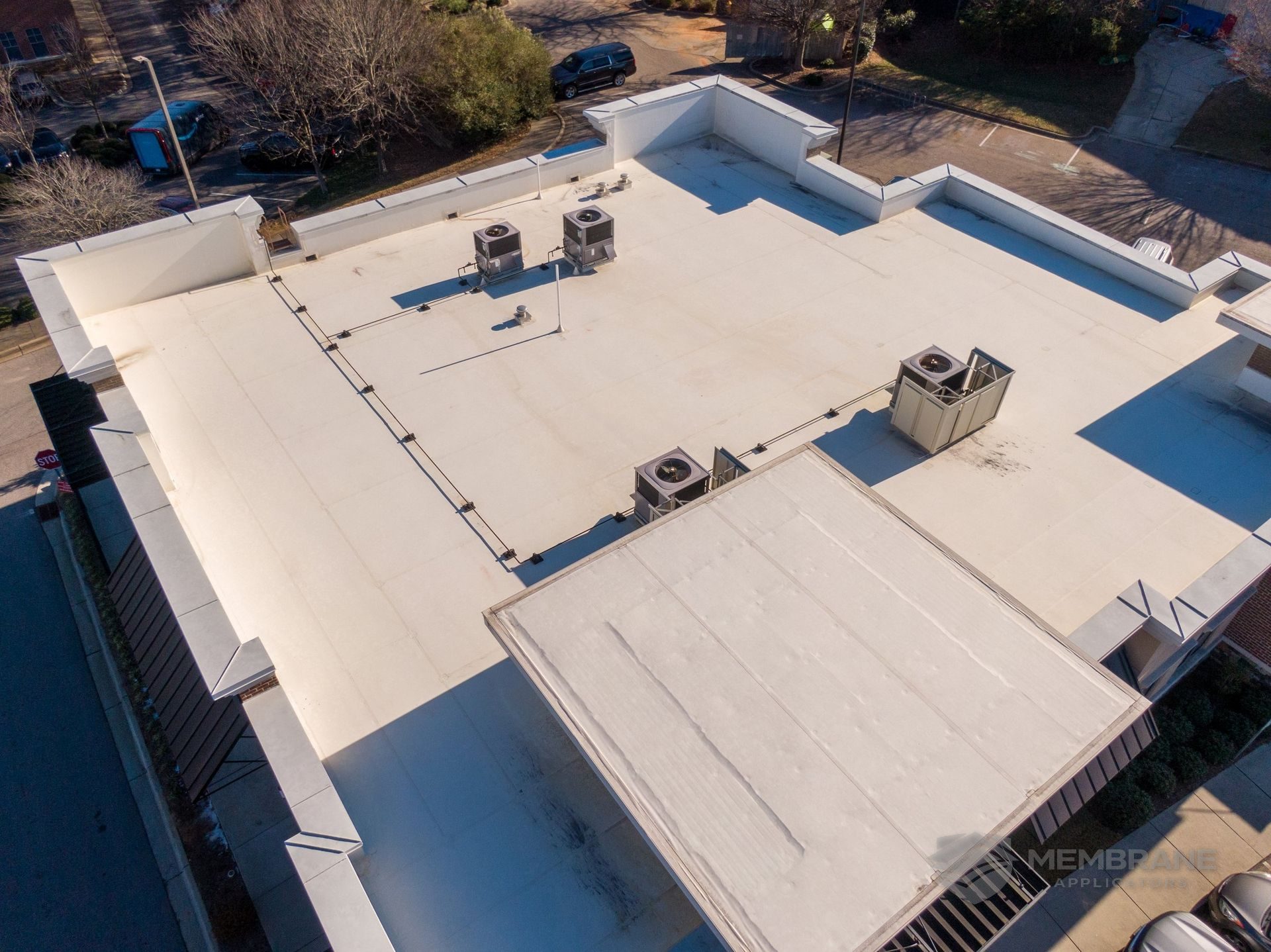
How to Choose the Right TPO Roofing Contractor in Auckland
Finding a reliable TPO roofing specialist is essential for a durable, leak-free flat roof. Learn the key factors to consider for your Auckland property.
Read more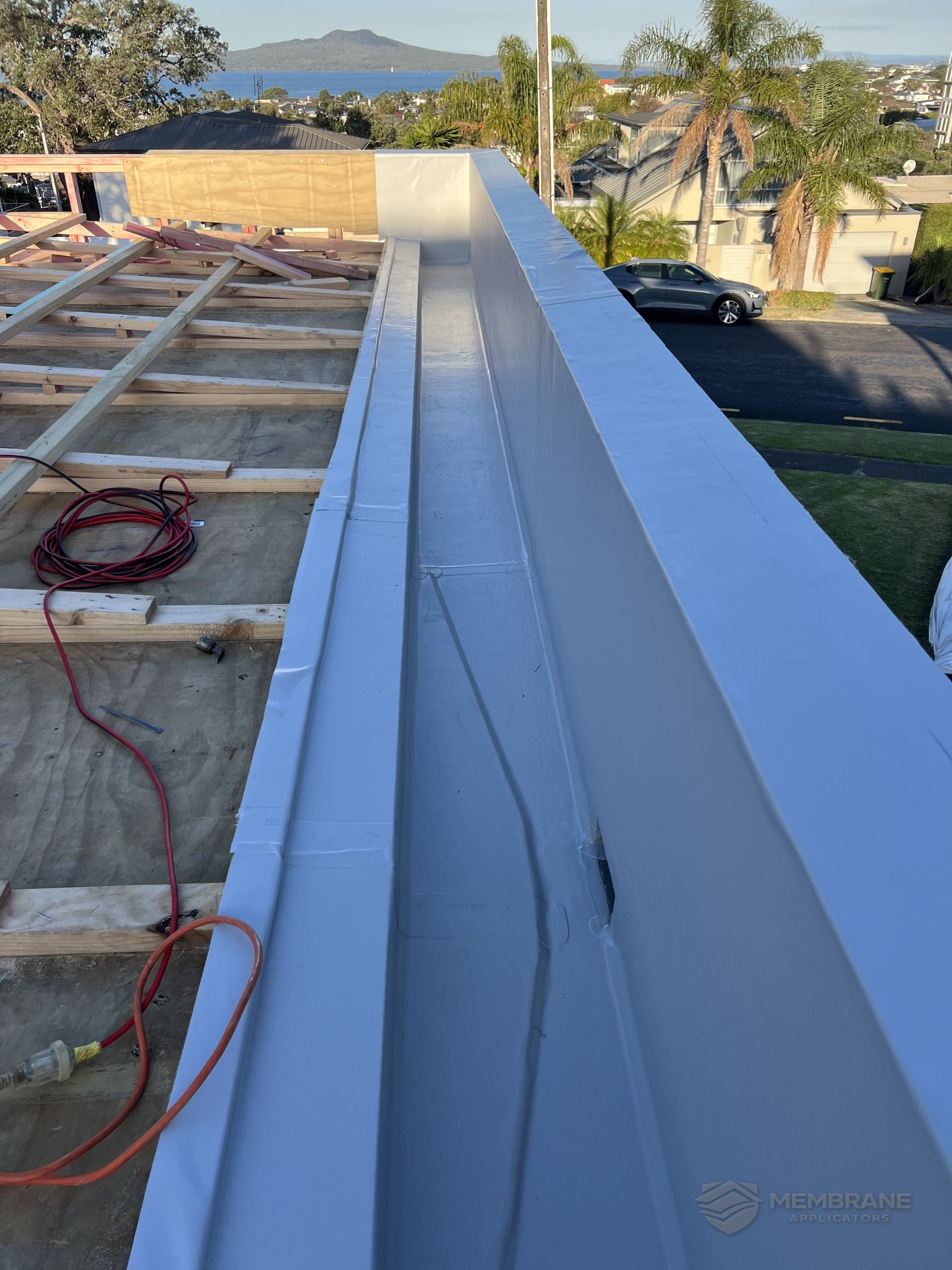
TPO Roofing in Auckland: Best Solutions for the Local Climate
Discover why TPO membrane is the ideal choice for Auckland's unique weather, offering superior UV resistance and durability for flat and low-pitch roofs.
Read more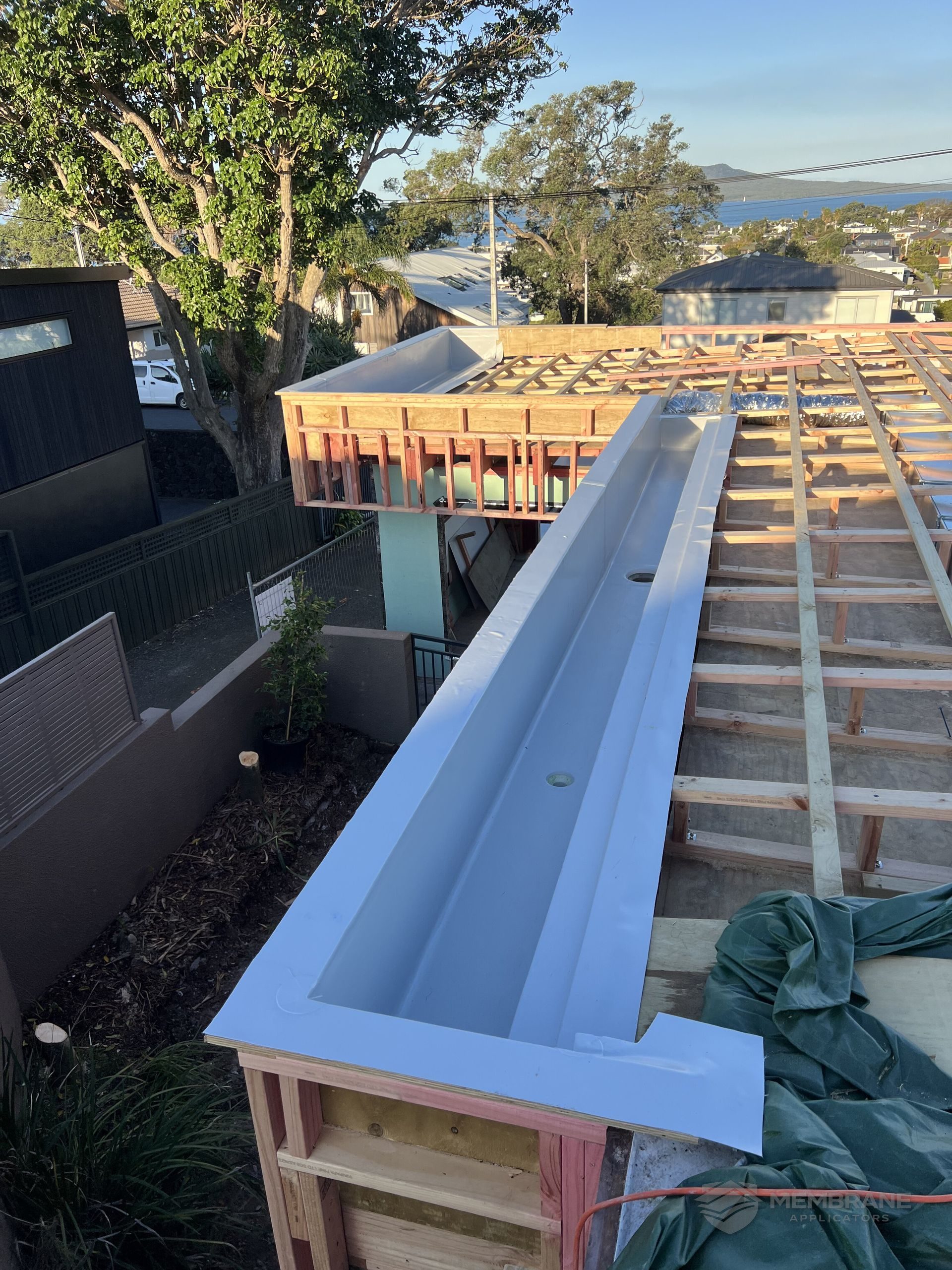
Commercial TPO Roofing: Durable Solutions for Auckland Businesses
TPO membrane roofing offers Auckland commercial property owners a durable, energy-efficient solution for flat roofs, providing exceptional weather resistance and long-term waterproofing performance.
Read more